Cool evenings in the Sacramento Valley make a fireplace or wood stove feel like an instant upgrade—especially in North Highlands, the community that straddles Interstate 80 and centers around corridors like Madison Avenue. But “cozy season” also comes with a responsibility many homeowners put off: keeping the chimney venting system clean and working the way it’s supposed to.
Sierra Vista Maintenance provides chimney cleaning services across the Greater Sacramento area to help homeowners reduce buildup, improve draft, and catch obvious problems early—without turning your living room into a dusty mess.
Table of Contents
Why chimney care matters in North Highlands (and nearby communities off Madison Ave & I‑80)
North Highlands sits among busy, connected neighbors—Foothill Farms, Rio Linda, Antelope, and Arden Arcade—with the Madison Avenue exit on I‑80 serving as a major access point. Many homes here burn wood at least occasionally for warmth or ambiance, and even “weekend-only” fires can create soot and creosote over time.
A professional chimney sweep is about more than tidiness. It’s about helping your system vent properly so smoke and combustion gases go where they’re supposed to go: out of the house.
Regular chimney cleaning can help:
- Reduce creosote buildup (a flammable residue associated with chimney fire risk)
- Improve draft (how efficiently smoke exits)
- Cut down on smoky odors that linger when the fireplace isn’t in use
- Prevent animals/debris from turning the chimney into a nesting spot
- Identify visible wear or damage before it gets expensive
If you’re new to the area (or new to owning a fireplace), North Highlands has a wide mix of housing types and ages—so venting setups vary. That’s another reason an experienced, safety-first sweep matters.
North Highlands: A quick local snapshot
North Highlands is often described as a Sacramento-area community straddling I‑80, surrounded by places many locals visit daily—especially around McClellan Park (the former Air Force base area, still home to services), and neighborhoods such as McClellan Meadows, Mission Rancho, Aero Haven, Larchmont Village, and Sunrise Antelope.
The point for chimney care: you’ll see everything from long-time owner-occupied homes to rentals and new movers—meaning plenty of fireplaces that may not have a clear service history. If you’re unsure when it was last cleaned, getting baseline service is often the safest choice.
What a chimney sweep actually does (and why it’s more than “cleaning”)
A professional chimney sweep appointment is typically focused on three outcomes:
- Clear the flue pathway so smoke and combustion gases can vent efficiently
- Remove creosote and debris that collect in the flue and firebox over time
- Spot visible issues (or warning signs) early—before they become hazardous or costly
Just as important: a professional service should be controlled and tidy. Homeowners often worry sweeping will coat the room in soot. A well-run visit should feel organized and contained.
Sierra Vista Maintenance’s chimney sweep process (what to expect in your home)
Based on Sierra Vista Maintenance’s standard workflow, a typical appointment is designed to be clean, careful, and efficient:
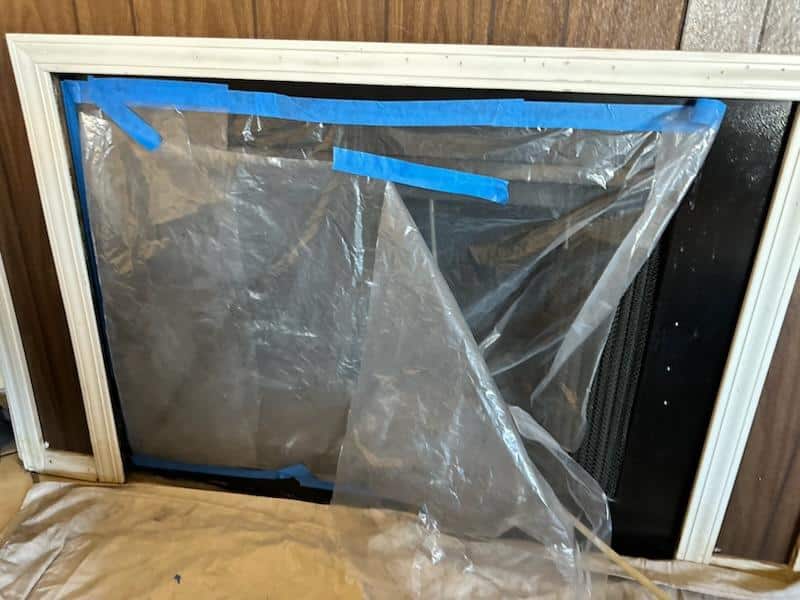
- Protective tarp is placed to protect flooring from soot/ash
- The team tapes off the chimney opening to prevent debris from escaping into the room
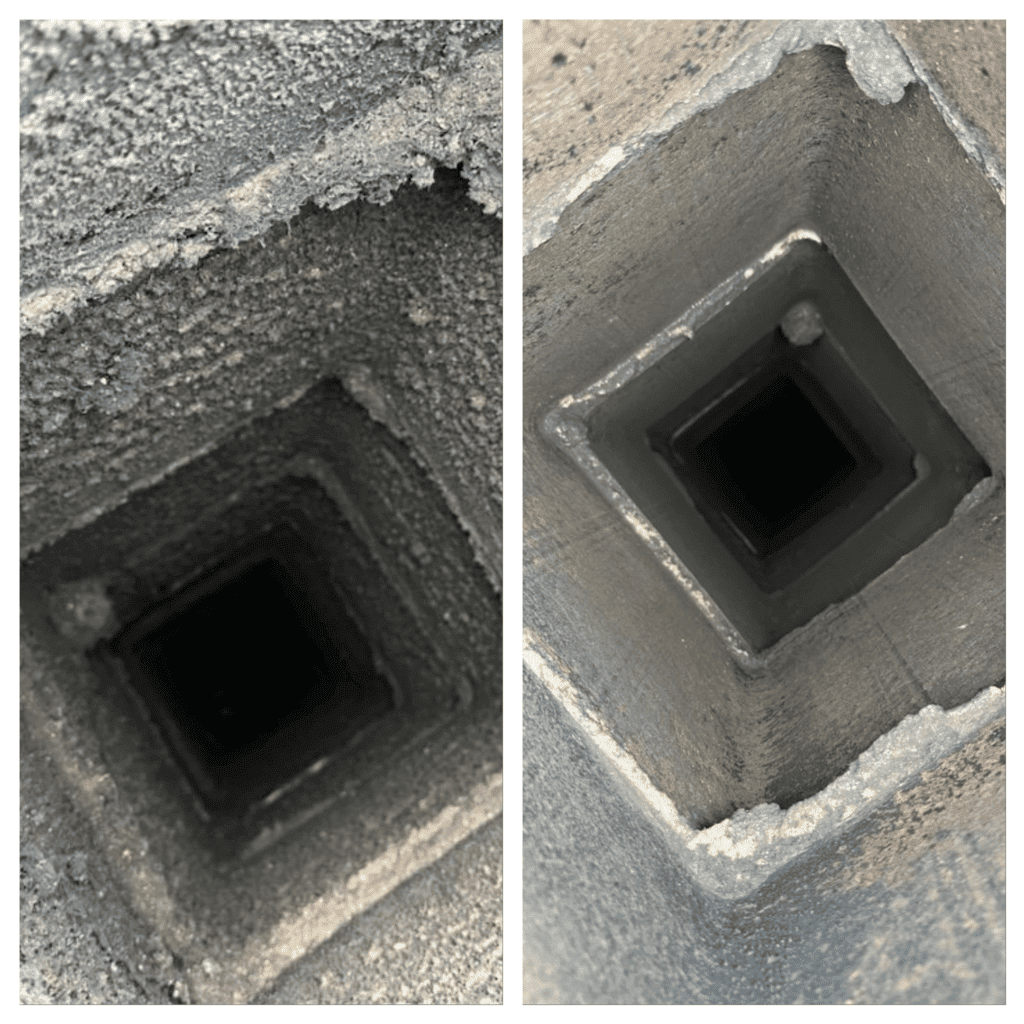
- The chimney is brushed to remove buildup
- The fireplace opening is cleaned, and debris is vacuumed (using professional-grade equipment)
- A final check is completed before wrapping up
If your goal is simple—“peace of mind before we start burning”—say so. If you’re dealing with a specific symptom (smoke smell, draft issues, debris falling into the firebox), say that too. The visit can be oriented around what you’re noticing.
The key parts of your chimney
A lot of chimney confusion comes from terminology. Here are the components that matter most—and what can go wrong when they’re neglected:
- Bricks & chimney base: Must be structurally sound. Damage can contribute to moisture intrusion or debris issues.
- Chimney flue: The passage that helps combustion materials exit the home (often confused with the liner).
- Chimney liner: Required to help keep heat/combustion contained and vented appropriately. If a liner is cracked or failing, it’s a serious safety concern—don’t keep using the fireplace until it’s evaluated.
- Chimney cap: Helps keep out rain, leaves, and animals. Missing/damaged caps are a common reason for nesting and debris.
- Chimney chase cover: Found on factory-built chimneys (materials vary: copper, aluminum, stainless, galvanized).
- Chimney flashing: Seals the roof-to-chimney intersection to prevent leaks.
- Chimney crown: Usually cement; helps keep water from entering the chimney structure.
- Damper (throat damper): Helps control airflow; if stuck open, you may feel drafts when the fireplace isn’t in use.
- Smoke chamber: The transition area between the firebox and flue; can collect buildup and affect how smoothly smoke moves upward.
In real homes, these parts work together. A “draft problem” might be buildup in the flue, a damper issue, a cap problem, or a combination.
Signs you may need chimney cleaning services soon
Some cues are obvious. Others stay hidden until someone looks inside. Consider scheduling service if you notice:
- Smoke lingering indoors or fires that are hard to start
- A strong smoky odor even when you’re not burning
- Soot buildup around the fireplace opening
- Flaky black residue falling into the firebox
- Unusual sounds (birds/squirrels) suggesting nesting
- Musty smells, staining, or rust, which can point to moisture intrusion
Safety note: if smoke is entering the home or you suspect a blockage, stop using the fireplace/stove until it’s evaluated.
How often should you schedule a chimney sweep in the Sacramento area?
There isn’t a one-size-fits-all number because frequency depends on how often you burn and what you burn. That said, Sierra Vista Maintenance’s service guidance (and common industry advice) is that routine sweeping is part of responsible ownership—especially for wood-burning systems.
Practical scheduling guidance:
- If you burn wood every season: an annual cleaning is a strong baseline.
- If you burn heavily (daily/primary heat): you may need more frequent attention.
- If you barely burn: you may still want periodic cleaning/checks—because debris, animals, and moisture don’t care how often you light fires.
Also, don’t assume last year’s cleaning “still counts” if anything has changed (new appliance, different wood quality, draft changes, odors, or a new cap issue).
Best times of year to book chimney cleaning in North Highlands
In the Sacramento region, scheduling is often easiest when you plan around the season:
- Late summer / early fall: great for getting ahead of the first cold nights
- Mid-season: helpful if you’re burning frequently or notice performance changes
- Spring: ideal for clearing buildup and reducing off-season odors
Booking earlier also gives you time to address any maintenance issues found during service—without feeling rushed when temperatures drop.
Wood-burning vs. gas: what Sierra Vista Maintenance cleans (and what they don’t)
This is one of the most common questions—and it matters because “chimney cleaning” isn’t the same need for every appliance type.
Wood-burning fireplaces (and gas-wood combinations)
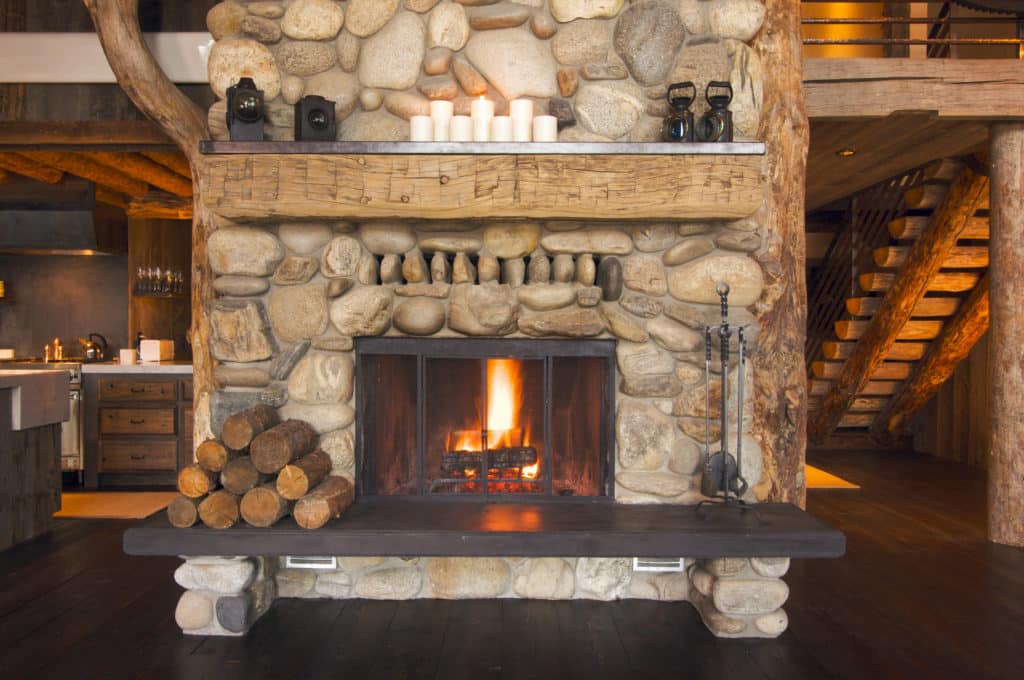
If your fireplace burns wood at all (even if it has gas ignition), Sierra Vista Maintenance can clean it. Wood produces soot and creosote—so routine sweeping is central to keeping the venting pathway clear.
Pot-bellied wood stoves
Sierra Vista Maintenance may be able to clean these depending on how many bends are in the stove piping. If you’re unsure, the team may ask for photos of the piping configuration to confirm serviceability.
Gas-only fireplaces and gas inserts
In general, Sierra Vista Maintenance does not clean gas-only fireplaces/inserts, with a few exceptions. If your unit is gas-only, it’s still wise to have it inspected periodically by an appropriately certified professional to ensure safe operation—but it’s not typically a “chimney sweeping” situation in the wood-burning sense.
Creosote 101 (why wood-burning systems need routine sweeping)
Creosote forms when smoke cools and deposits unburned compounds along flue walls. The faster it accumulates, the more it can affect draft and increase risk.
A simple way to understand it is in stages:
- Stage 1 (light soot / dusty creosote): often removable with standard professional sweeping
- Stage 2 (flaky or crunchy): more stubborn; can restrict airflow and require more intensive brushing
- Stage 3 (glazed): hardened/shiny deposits; higher concern and may require specialized professional removal approaches
Creosote buildup is influenced by:
- Burning cooler, smoldering fires
- Using damp or poorly seasoned wood
- Restricted airflow/damper issues
- Venting configuration and chimney height
If you’re noticing worsening draft or a stronger smoky smell than usual, creosote is one possible contributor—but it’s not the only one (blockage, cap issues, and damper problems can look similar).
“Will cleaning my chimney be messy?”
A homeowner-friendly chimney sweep should include:
- containment (tarping/taping)
- proper tools and controlled brushing
- vacuuming and cleanup
- clear communication about what was done and what was noticed
If you’ve avoided scheduling because you imagine soot everywhere, it’s worth knowing that modern best practices are designed specifically to prevent that.
Why locals choose Sierra Vista Maintenance as their local chimney sweep
Sierra Vista Maintenance has served the Sacramento Valley and surrounding communities since 2010. For many homeowners, the deciding factors are straightforward:
- Safety-first approach and a focus on draft/venting performance
- Clean, respectful in-home process (containment + tidy work practices)
- Transparent education: what was done, what was found, and what the next step should be
- Licensed contractor in California, bonded and fully insured (including commercial properties)
- A team that will flag visible issues (while noting they do not offer certified inspections)
If you’re preparing a home for a sale, moving into a property with an unknown chimney history, or managing a rental, a baseline cleaning can help you start from a clearer, safer place.
Book chimney cleaning services in North Highlands (Sacramento area)
If you’re getting ready for burning season—or you’ve noticed smoke smell, draft changes, or debris—Sierra Vista Maintenance can help with professional chimney cleaning services in the Greater Sacramento area, including North Highlands.
Get started by requesting a free estimate here.
FAQ: Chimney cleaning & chimney sweep basics
How long does a chimney sweep take?
Sierra Vista Maintenance notes that typically it takes under an hour, assuming there are no major maintenance issues and access is straightforward.
Is chimney sweeping messy?
A professional sweep should not be messy. Proper containment (tarping, taping off the opening) and vacuuming are standard practices designed to keep soot and ash controlled.
What’s involved in a chimney sweep service?
For the chimney, Sierra Vista Maintenance brushes the entire pipe, removing soot and creosote from top to bottom, and also cleans the chimney cap. For the fireplace, they brush the inside area to remove soot/creosote and vacuum out the firebox. They also alert you if they notice visible maintenance or structural concerns (while noting they do not provide certified inspections).
Can you clean all types of fireplaces, wood stoves, and chimneys?
They clean wood-burning or gas-wood combination fireplaces. Pot-bellied stoves may be serviceable depending on the number of bends in the piping (photos may be requested). They generally do not clean gas-only fireplaces/inserts (with limited exceptions).
How often should a Sacramento-area resident get their chimney cleaned?
If you burn wood every season, an annual cleaning is strongly recommended. If usage is heavier, you may need more frequent service.
Do chimneys attract pests in the off season?
They can—especially if the chimney cap is missing or damaged. Annual cleaning and keeping the cap in good condition helps prevent nesting and blockages.


