Rosemont sits in the Sacramento area where fireplaces are often used seasonally, not daily. That “few fires a year” pattern is exactly why homeowners get caught off guard by smoky odors, poor draft, and soot fallout when the first cold weekend arrives. These are all signals that it may be time for a professional chimney cleaning.
This guide is built for Rosemont households and rental owners who want a fireplace that’s ready when you’re allowed to burn, runs cleaner, and doesn’t create a last-minute maintenance scramble.
Before You Light Anything: Rosemont Burn-Season Rules (And Why Maintenance Matters)
Rosemont is part of the Sacramento region where winter wood burning is regulated through “Check Before You Burn.” In practice, this means there can be days in winter when burning is restricted, and you’re expected to confirm burn status before using a wood-burning fireplace.
When burn opportunities are limited, you don’t want to waste an “allowed” day fighting a smoky startup or weak draft. Fireplace maintenance and chimney cleaning help reduce the most common performance issues that show up at exactly the wrong time.
What “Check Before You Burn” means for Rosemont households
You’ll usually see the program referenced during the winter season (commonly Nov 1 through the end of February). On certain days, restrictions may be called based on air quality conditions.
If you’re unsure whether your specific appliance is impacted (or if exemptions apply), it’s worth confirming for your household. The key takeaway is simple: plan ahead so your first fire isn’t a compliance-and-performance headache.
The maintenance connection: compliance + comfort
On burn-allowed days, you want your fireplace to:
- Draft reliably so smoke goes up and out
- Start cleanly with less lingering smoke smell
- Avoid loose soot and flakes dropping into the firebox
Chimney cleaning doesn’t “guarantee” every issue disappears (air pressure and mechanical issues can still exist). But it often removes the most common contributor: buildup and debris inside the venting pathway.
Rosemont at a Glance: Why This Neighborhood’s Fireplaces Need a Practical Approach
Rosemont is commonly associated with the 95826 area and sits near major commuter routes. Many residents have busy schedules and don’t want a maintenance project right as the weather turns.
A lot of Rosemont homes also fall into the “established housing” category (often mid-century through later decades). That matters because fireplaces and chimneys can have unknown service history, and performance problems tend to show up after long periods of non-use.
Local anchors (for relevance and service-area clarity)
Rosemont is often described around these boundaries and nearby routes:
- Hwy 50 (north)
- CA Hwy 16 (south)
- Bradshaw Rd (east)
And you’ll hear neighborhood names such as:
- College/Glen
- The Woods
- Rosemont Downs
- Primrose
- Premier Garden
- Rosemont Park
- Rosemont Square
You don’t need a different maintenance plan for each sub-neighborhood. But you do want a plan that fits Rosemont’s typical “use it in winter, ignore it all summer” reality.
Your Rosemont Fireplace Readiness Scorecard (0–10)
If you only do one thing from this article, do this quick scorecard. It helps you decide whether you should schedule service now, before the next burn day.
Give yourself points (2 points each)
- Damper opens and closes smoothly (no sticking, grinding, or partial opening)
- No persistent smoky odor when the fireplace is cold
- No history of smoke entering the room during startup
- You know the last chimney cleaning date (and it’s reasonably recent for your usage)
- No black flakes or debris falling into the firebox area
What your score means
- 8–10: You’re probably in decent shape, but still consider cleaning if you burn regularly or want a predictable season.
- 5–7: Plan service before you ramp up usage or host holiday gatherings.
- 0–4: Treat the system as “unknown condition” and schedule a baseline chimney cleaning before using it.
What Landlords and Property Managers in Rosemont Should Do Differently
If you manage rentals in Rosemont, fireplace maintenance is less about “nice to have” and more about reducing predictable winter complaints. Tenants often discover fireplace issues during the first cold stretch, which is when schedules are tight and service calendars fill up.
A proactive cleaning plan helps you avoid repeated tickets for odor, draft problems, and soot mess—especially if the fireplace is listed as an amenity.
Why rental fireplaces create unique risk and friction
Even good tenants may:
- Burn unseasoned wood (more smoke and faster buildup)
- Keep fires low and smoldering for ambience (creates more residue)
- Try multiple startups when draft is poor, which can push smoke into the living space
Those behaviors aren’t always malicious—they’re often just inexperience. The result is still the same: more calls, more stress, and a bigger chance of needing service mid-season.
A simple “rental-proof” fireplace policy
If you allow fireplace use, consider adding a short addendum or house rules sheet:
- Use only dry, seasoned firewood (or approved fuel)
- Always open the damper fully before lighting
- Never burn trash, cardboard, or questionable materials
- If smoke enters the room, stop use and report it immediately
- Don’t attempt DIY chimney cleaning or remove components
The landlord sales proposition (the real payoff)
A baseline sweep at turnover or early fall helps deliver:
- Fewer emergency calls during the first cold snap
- Cleaner move-outs (less soot fallout and odor transfer)
- A more predictable annual maintenance budget
The Symptom Map: What You Notice → What It Often Means → What to Do
Fireplace symptoms are frustrating because they show up suddenly. The good news is most problems fall into recognizable categories, and the next step is usually clear.
Quick troubleshooting table
| What you notice | Where it often starts | What it commonly indicates | Best next step |
|---|---|---|---|
| Smoky smell when not burning | smoke chamber / damper area / top protection | residue odor, sealing issues, moisture contribution | schedule chimney cleaning |
| Smoke spills into the room during startup | flue pathway / damper / blockage | restriction, airflow imbalance, or obstruction | stop use + book service |
| Black flakes or soot dropping | smoke chamber / flue | buildup loosening or debris entering from above | cleaning + pathway clearing |
| “We just moved in—no idea” | entire system | unknown baseline | baseline sweep before burning |
A firm safety line (worth repeating)
If smoke repeatedly enters the living space or you suspect a blockage, stop using the fireplace until it’s serviced. “Testing it again” with bigger fires can make the situation worse.
Why Chimneys Act Up After Summer (The Rosemont Seasonal Pattern)
Most Rosemont households don’t burn year-round. The fireplace can sit unused for months, and that idle time is when problems quietly build.
Residue and soot remain in the system, and odors can become more noticeable as temperature and humidity change. Then, when you finally light a fire, the venting system is asked to perform perfectly after a long break.
The “ambience fire” effect
Many people burn for atmosphere, not heating. That often means shorter fires or lower, slower burns.
Lower-temperature burns can contribute to faster residue buildup compared to hotter, cleaner fires. Over time, that buildup can affect draft and increase the chance of odor and soot issues.
Why the first fire of the year feels unpredictable
Even if last year was “fine,” this year can be different because:
- Debris can enter from above if top protection is compromised
- Buildup can loosen and fall, creating new restrictions
- Draft dynamics can change with weather and indoor air pressure
If you want consistency, the best strategy is simple: schedule before the season starts, not after symptoms appear.
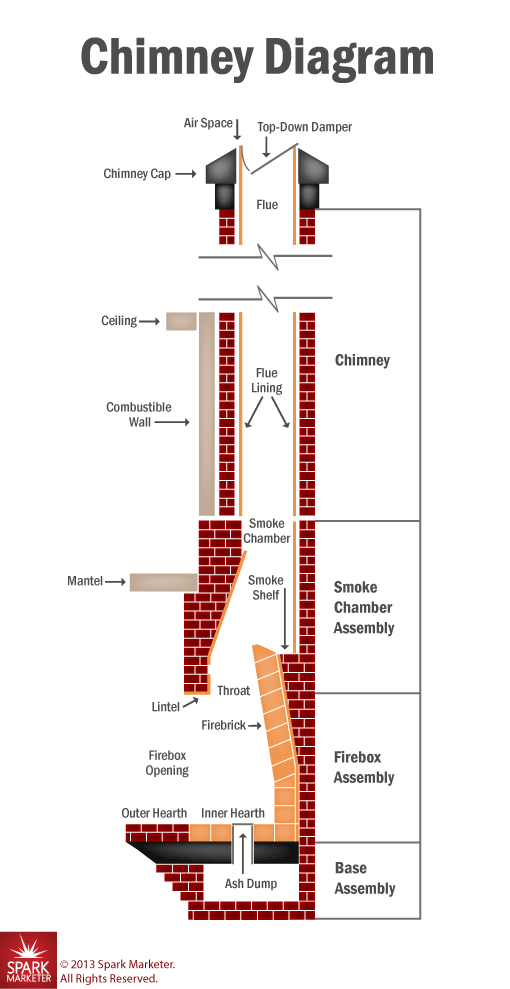
Chimney Components That Matter Most (The Practical Version)
You don’t need a deep technical breakdown to make smart decisions. You just need to know which parts most directly affect odor, draft, and reliability.
The performance parts (draft + smoke control)
- Flue: The pathway smoke travels to exit your home. Restrictions here can cause smoke to spill indoors.
- Smoke chamber: A common place for residue to accumulate and affect airflow.
- Damper: Controls airflow and helps seal the home when the fireplace is off. A damper that doesn’t open fully can create immediate startup smoke issues.
- Top protection (cap area): Helps keep out debris and animals, which can quickly change performance.
The protection parts (water defense + long-term durability)
- Crown / flashing / chase cover (where applicable): These help keep water out. Moisture can worsen odor and accelerate deterioration.
What you can check vs. what you should leave to the pros
Homeowners can usually check:
- Whether the damper opens fully and stays open
- Whether you see obvious debris in the firebox
- Whether soot is falling or there’s a strong cold-fireplace odor
Pros handle:
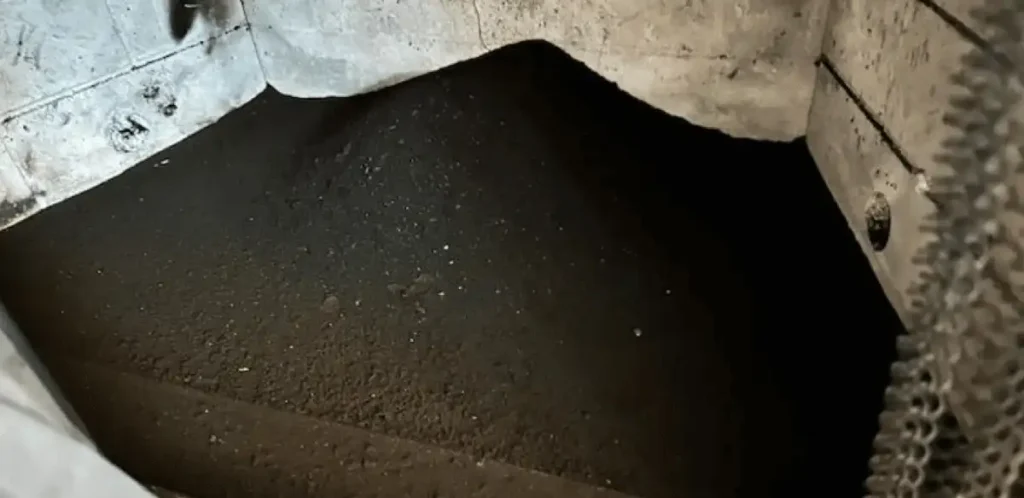
- Controlled, full-pathway brushing and removal of buildup
- Cleaning areas you can’t safely reach (smoke chamber and full flue path)
- Identifying obvious contributors to repeat issues (restriction points, heavy residue zones)
What a Professional Chimney Cleaning Looks Like (And Why It’s Not a Mess)
A common hesitation is, “Will this turn into soot all over my living room?” A professional process is designed to be contained and cleaned up before the tech leaves.
While methods can vary by provider and setup, a typical professional cleaning includes steps like:
- Laying down a protective tarp
- Sealing/taping the fireplace opening to reduce dust and debris escape
- Brushing to remove buildup in the pathway
- Cleaning the opening area and vacuuming debris
- Doing a final check of the workspace before leaving
Timing: how long it usually takes
Many chimney cleanings are completed in under an hour when access is straightforward and the system isn’t unusually complex. If the system has heavy buildup or access challenges, it can take longer.
What you’re really buying (benefit-focused)
A cleaning is about more than removing soot. It’s about making your fireplace easier to use and less likely to create complaints.
Most homeowners care about results like:
- Less smoky odor from residue removal
- Better draft when buildup was the bottleneck
- Less “black flake” fallout into the firebox
- A smoother, more confident start to the season
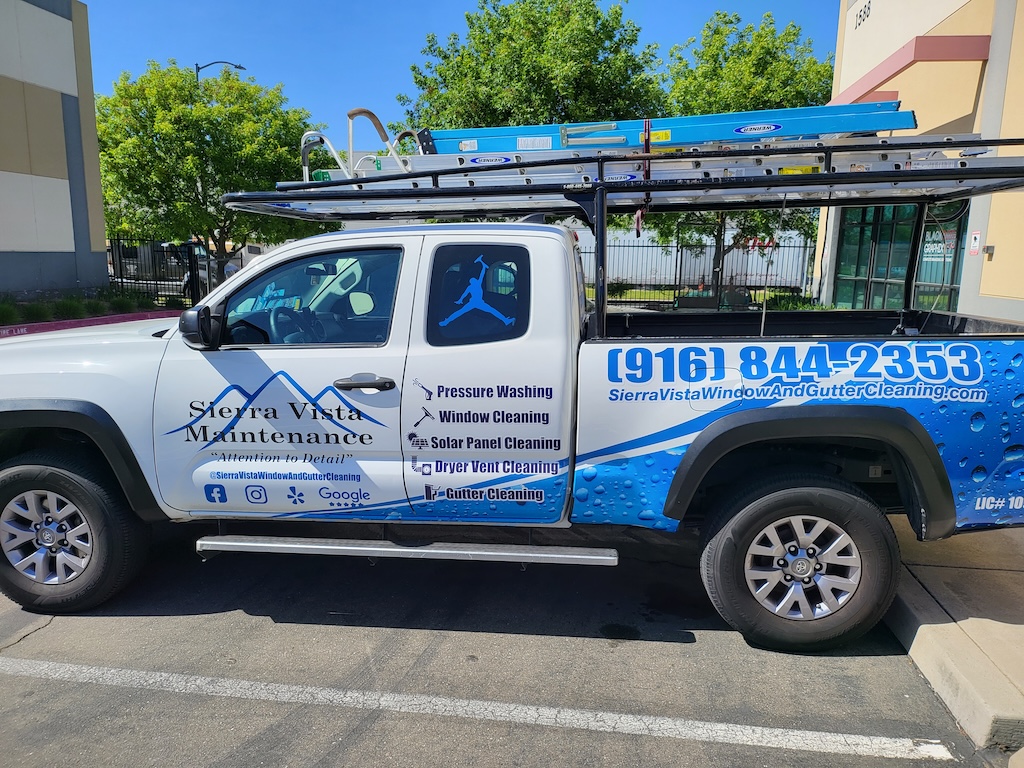
Sierra Vista Mainenance: What We Service (Fit Guide for Rosemont Homes)
Not every fireplace setup is the same, and it helps to be clear about fit. This prevents wasted time and ensures you get the right service for your appliance type.
Great fit
- Wood-burning fireplaces
- Gas-wood combination fireplaces (gas ignition used to start wood fires)
Sometimes (case-by-case)
- Pot-bellied wood stoves, depending on how many bends are in the vent pipe and overall access
Typically not the right match
- Gas-only fireplaces/inserts (these often require a different type of service and inspection approach)
If you’re not sure what you have, the fastest way to confirm is to share a few photos and a brief description when requesting an estimate.
Scheduling a Professional Chimney Cleaning in Rosemont: When to Book (And How Often to Clean)
The easiest way to avoid winter frustration is to schedule your chimney cleaning service at a time when you’re not competing with everyone else. In the Sacramento area, fireplace demand tends to spike right as nights cool down.
Best time to schedule in Rosemont
- Early fall is ideal so you’re ready before burn season and holiday gatherings.
- If you’re already seeing symptoms (smoke, odor, soot fallout), schedule as soon as possible and avoid using the system until it’s addressed.
How often should you clean?
Frequency depends on usage, fuel quality, and how the system performs. A practical guideline for many Rosemont households is:
- Annual cleaning if you burn each season (even lightly)
- More frequent cleaning if you burn heavily or use the fireplace as a primary heat source
- Baseline sweep if you just moved in or don’t know the maintenance history
Some professionals recommend cleaning at least twice per year in certain circumstances. If you burn frequently, burn for heat, or have recurring performance issues, a more frequent cadence can make sense.
Rosemont “First Fire” Checklist (Do This Before the Next Allowed Burn Day)
Most problems show up in the first 10 minutes. This checklist helps you catch issues early and avoid smoking out your living room.
10 quick checks
- Check burn-day status during winter season before you plan a fire
- Confirm the damper is fully open before lighting
- Use dry, seasoned wood (wet wood smokes more and can build residue faster)
- Avoid long, low smoldering fires when possible
- Watch for smoke spillage at startup (don’t ignore it)
- Pay attention to cold-fireplace odor before lighting (it’s often an early warning sign)
- Make sure CO alarms and smoke alarms are functioning
- Never leave a fire unattended
- Dispose of ashes safely (metal container with lid; keep away from structures; allow time to cool)
- If anything feels unsafe or smoke enters the room repeatedly: stop use and schedule service
FAQs: Chimney Cleaning in Rosemont, CA
Do I need to follow “Check Before You Burn” in Rosemont?
Rosemont is in the Sacramento region where winter wood burning is regulated. It’s smart to check burn status before using a wood-burning fireplace during the season when the program is active.
Why does my fireplace smell smoky when it’s not in use?
A cold smoky odor often comes from residue in the firebox, smoke chamber, or flue. Damper sealing issues and moisture can also intensify smells, which is why cleaning and basic system evaluation are so helpful.
Why is smoke coming into my living room during startup?
Smoke spillage can indicate a restriction (buildup/debris), a damper issue, or airflow imbalance. If it happens repeatedly, stop using the fireplace and schedule service rather than “testing” with bigger fires.
Is chimney cleaning messy?
Professional chimney cleaning is typically designed to be contained with protective coverings and a sealed work area. The goal is to remove buildup without spreading soot into your home.
How long does a chimney cleaning take?
Many appointments are completed in under an hour when access is straightforward. Timing can vary based on condition and layout.
How often should I clean if I only burn on holidays?
Even light seasonal use can justify annual cleaning—especially if you notice odor, soot flakes, or draft trouble. If you don’t know the system history, a baseline sweep is a good starting point.
Do you service gas fireplaces?
Gas-only appliances often require different service than wood-burning chimney sweeping. If you have a gas-only unit, it’s best to confirm the correct maintenance approach for your specific setup.
Can this help with black flakes falling into the firebox?
Yes, loose soot flakes are often related to buildup loosening in the smoke chamber or flue. Cleaning can remove residue and reduce the repeated “black snow” problem.
Ready for Burn Season in Rosemont?
Rosemont homeowners and landlords often don’t realize there’s a difference between “a fireplace that technically lights” and “a fireplace that drafts cleanly, smells normal, and is ready when burn days are allowed.” Chimney cleaning is the simplest way to reduce the most common seasonal frustrations—odor, soot fallout, and unreliable startup draft.


