
Why Location Matters More Than You Think
If you’ve lived in multiple parts of the Sacramento region, you’ve probably noticed something: your windows don’t stay clean at the same rate everywhere.
A home in Carmichael surrounded by mature trees behaves very differently than a newer property in Elk Grove. A storefront in Sacramento near the river deals with completely different buildup than a foothill home in Auburn.
That’s because window cleaning isn’t just about the glass—it’s about the environment around it.
Across the Greater Sacramento area, factors like tree coverage, dust, water proximity, and even neighborhood design all influence how quickly your windows collect debris, streak, or lose clarity.
This guide breaks down:
- What’s actually causing your windows to get dirty
- How often you should clean them based on your location
- And how each city and community differs when it comes to maintenance
If you’re trying to figure out the right cleaning schedule—or just want to understand why your windows never seem to stay clean—this is where to start.
What Actually Makes Windows Get Dirty in the Sacramento Area
Before getting into specific cities, it helps to understand the bigger picture. Across the Sacramento Valley and surrounding foothills, there are a handful of consistent factors that affect window cleanliness.
Dust, Pollen, and Seasonal Buildup
Hot, dry summers combined with agricultural land, open space, and suburban development create a constant layer of fine dust. In spring, pollen adds another layer—especially in neighborhoods with heavy landscaping or mature trees.
Hard Water & Mineral Deposits
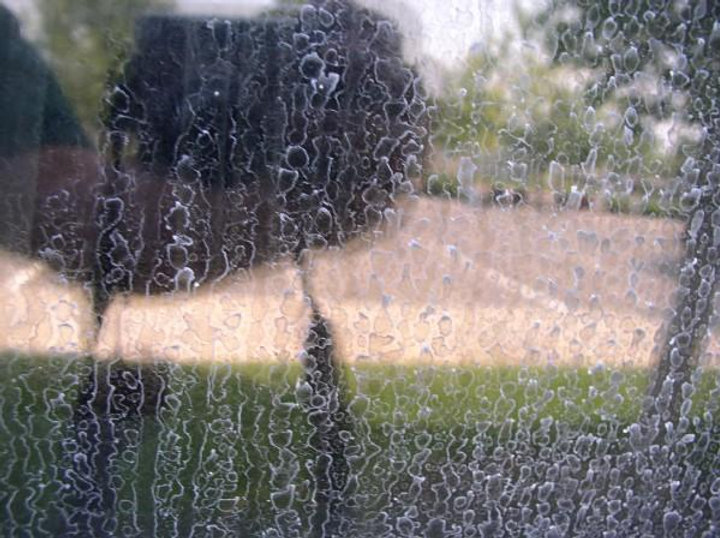
Sprinkler systems, irrigation, and hose runoff can leave behind mineral deposits on glass. These are especially noticeable in areas with frequent watering or where water sits and evaporates on surfaces.
Tree Debris & Organic Residue
Leaves, sap, pollen, and small organic particles collect quickly on windows—particularly in established neighborhoods. Over time, this buildup can create a hazy film that regular rinsing won’t remove.
Wildfire Smoke & Air Quality
The Sacramento region’s “bowl-like” geography can trap smoke and airborne particles. During wildfire season, fine ash settles on surfaces—including windows—creating a stubborn, streak-prone residue.
✅ Quick Self-Diagnosis Checklist
If your windows are getting dirty quickly, ask:
- Are there trees close to your home or building?
- Do your sprinklers hit your windows regularly?
- Is your property near open land or construction?
- Do you notice buildup after windy or smoky days?
If you answered “yes” to one or more, your cleaning frequency likely needs to be higher than average.
The 4 Environmental Factors That Impact Window Cleaning Frequency
Across the Greater Sacramento area, most window cleaning challenges fall into four main environmental patterns. Understanding which one applies to your property is key.
🔎 Find Your Environment Type
Most properties fall into one of these categories described below—or (more often) a combination of two. Identifying yours helps determine how often your windows need attention.
Tree-Heavy Neighborhoods (Carmichael, Fair Oaks, Arden-Arcade)
These areas are known for their mature landscaping and dense canopy.
What this means for your windows:
- Constant pollen and organic debris
- Increased moisture retention (shade)
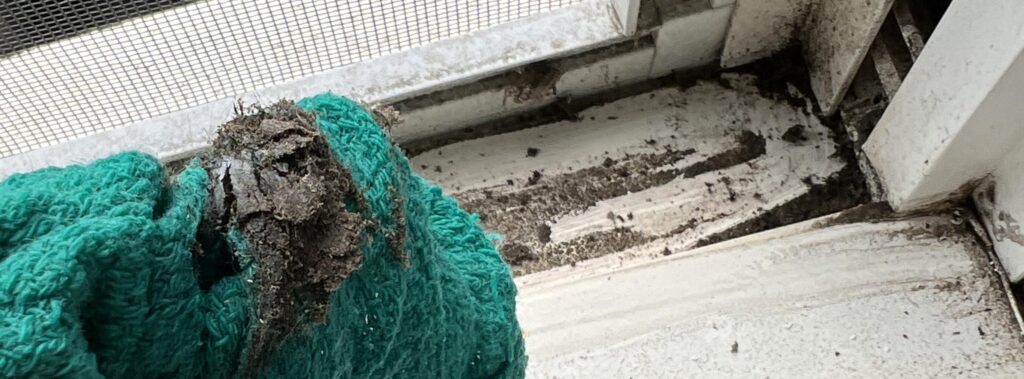
- Faster buildup on screens and tracks
Water-Adjacent Areas (Sacramento, Folsom, Gold River)
Homes and businesses near rivers, lakes, or irrigation systems deal with a different set of challenges.
What this means:
- Bug residue on glass
- Mineral spotting from water evaporation
- Increased frequency of visible streaking
Foothill & Rural Communities (Auburn, Placerville, Rescue)
These areas introduce more exposure to natural elements.
What this means:
- Wind-driven dust
- Dirt accumulation from open land
- Debris from surrounding vegetation
Suburban Growth Areas (Elk Grove, Roseville, Rancho Cordova)
Newer developments bring their own maintenance patterns.
What this means:
- Stucco dust and construction residue
- Irrigation overspray
- Solar panel runoff affecting glass surfaces
How Often Should You Clean Your Windows? (By Area Type)
There’s no one-size-fits-all answer, but based on environment, here’s a practical guideline:
Tree-Heavy Areas → 3–4 Times Per Year
Frequent organic buildup means more consistent cleaning is needed to maintain clarity.
Suburban Areas → 2–3 Times Per Year
Most homes in these areas benefit from a spring and fall cleaning, with an optional summer service.
Foothill/Rural Areas → Seasonal (Dust-Driven)
Cleaning is often tied to wind, dust, and weather patterns rather than a fixed schedule.
Commercial Properties → Monthly or Quarterly
Visibility and presentation matter more, especially for storefronts and high-traffic locations.
📊 Recommended Cleaning Schedule
| Area Type | Frequency | Why |
|---|---|---|
| Tree-heavy | 3–4x/year | Pollen, debris, and shade buildup |
| Suburban | 2–3x/year | Dust + irrigation |
| Foothill/rural | Seasonal | Wind and environmental exposure |
| Commercial | Monthly/quarterly | Visibility and customer perception |
City-by-City Window Cleaning Guide
Below is a breakdown of how window cleaning needs vary across specific Sacramento-area communities.

Sacramento & Land Park
Sacramento’s flat terrain and proximity to both the American and Sacramento Rivers create a mix of mineral spotting and insect residue. Established neighborhoods like Land Park also bring in tree-related debris and pollen.
For both homeowners and businesses, this combination means windows tend to lose clarity faster—especially during warmer months.
👉 View Sacramento window cleaning services
👉 View Land Park window cleaning services
Elk Grove
Elk Grove’s newer suburban layout means less tree debris but more exposure to dust, irrigation overspray, and stucco residue.
Homes with solar panels and large exterior surfaces often benefit from bundled maintenance.
👉 View Elk Grove window cleaning services
Roseville & Rocklin
These cities sit near the transition between valley and foothills, creating a blend of dust exposure and suburban buildup.
Rapid growth also means a mix of newer homes and established neighborhoods, each with slightly different cleaning needs.
👉 View Roseville window cleaning services
👉 View Rocklin window cleaning services
Arden-Arcade & Carmichael
Known for their dense tree canopy, these areas experience heavy pollen, leaf debris, and organic buildup.
Older homes and established landscaping contribute to more frequent maintenance needs.
👉 View Arden-Arcade window cleaning services
👉 View Carmichael window cleaning services
Citrus Heights & Antelope
These communities fall into a balanced category—moderate tree coverage with typical suburban dust and irrigation effects.
👉 View Citrus Heights window cleaning services
👉 View Antelope window cleaning services
Folsom & White Rock
With proximity to water and newer residential development, these areas deal with both mineral spotting and insect residue.
👉 View Folsom & White Rock window cleaning services
Rancho Cordova & Mather
These growing areas combine commercial activity with residential expansion, leading to a mix of dust and irrigation-related buildup.
👉 View Rancho Cordova window cleaning services
👉 View Mather window cleaning services
North Highlands
A dense suburban environment with high traffic corridors, North Highlands experiences elevated dust and airborne residue compared to quieter neighborhoods
👉 View North Highlands window cleaning services
Lincoln
As a fast-growing suburban area, Lincoln properties often deal with construction dust, open land exposure, and irrigation effects.
👉 View Lincoln window cleaning services
El Dorado Hills & Franciscan Village
These foothill communities combine elevation, wind exposure, and larger properties—leading to increased dust and environmental buildup.
👉 View El Dorado Hills window cleaning services
Vineyard
Located near agricultural zones, Vineyard properties often experience fine dust and irrigation-related spotting.
👉 View Vineyard window cleaning services
Orangevale
Orangevale blends suburban living with a semi-rural feel, featuring large lots and mature trees. This creates a mix of debris types and maintenance challenges
👉 View Orangevale window cleaning services
Fair Oaks & Gold River
With both river proximity and strong tree coverage, these areas see a combination of bug residue and organic debris buildup.
👉 View Fair Oaks & Gold River window cleaning services
Rosemont
A suburban area with moderate density, Rosemont properties typically experience standard dust and irrigation-related buildup.
👉 View Rosemont window cleaning services
Granite Bay
Higher-end homes, proximity to water, and mature landscaping mean increased expectations for appearance—and more frequent cleaning needs.
👉 View Granite Bay window cleaning services
Cameron Park, Shingle Springs, & Rescue
Foothill conditions dominate here, with dust, wind, and sloped terrain contributing to window buildup.
👉 View Cameron Park area window cleaning services
👉 View Shingle Springs & Rescue area window cleaning services
Rio Linda
Open land and rural conditions lead to heavy dust and debris exposure, especially during dry seasons.
👉 View Rio Linda window cleaning services
Auburn
Elevation and foothill conditions mean increased wind exposure and dust accumulation.
👉 View Auburn window cleaning services
Diamond Springs & Placerville
Historic foothill communities with older structures and natural surroundings create consistent debris buildup.
👉 View Placerville window cleaning services
👉 View Diamond Springs window cleaning services
Rancho Murieta
Landscaped and well-maintained neighborhoods often deal with irrigation and tree-related buildup.
👉 View Rancho Murieta window cleaning services
Newcastle, Penryn, & Loomis
Semi-rural communities with agricultural influence lead to a mix of dust and organic debris.
👉 View Loomis & surrounding area window cleaning services
Commercial Window Cleaning Across the Sacramento Area
For commercial properties, window cleaning isn’t just about maintenance—it’s about visibility and perception.
Storefront Visibility & Customer Perception
Clean windows directly impact how customers view your business.
Multi-Tenant Buildings & Maintenance Schedules
Shared spaces require consistent upkeep to maintain appearance across all tenants.
Why Commercial Properties Require Recurring Cleaning
Unlike residential properties, commercial buildings often need monthly or quarterly service to stay presentable.
📊 Residential vs Commercial Comparison
| Property Type | Frequency | Priority |
|---|---|---|
| Residential | 2–4x/year | Maintenance |
| Commercial | Monthly/quarterly | Visibility |
Why Homeowners Bundle Window Cleaning with Other Services
Many homeowners find that combining services improves both results and efficiency.
Common pairings include:
- Gutter cleaning
- Pressure washing
- Solar panel cleaning
Bundling helps reduce long-term buildup and keeps your entire exterior in better condition—not just your windows.
How to Choose the Right Window Cleaning Schedule
Every property is different, but a few factors help determine what’s right for you.
Property Size
Larger homes typically require more frequent maintenance.
Surrounding Environment
Trees, dust, and water exposure all play a role.
Personal Standards
Some homeowners prefer spotless windows year-round, while others clean seasonally.
🧩 Build Your Cleaning Plan
Start with:
- Your environment type
- Your property size
- Your desired level of cleanliness
From there, you can create a schedule that actually works for your property.
Signs Your Windows Are Being Affected by Your Local Environment
Even if your windows don’t look obviously dirty, your surrounding environment may be causing buildup that reduces clarity, shortens the lifespan of your glass, and makes routine cleaning less effective over time.
Because the Greater Sacramento area has such a wide range of environmental conditions, these issues often show up differently depending on where you live.
Below are some of the most common signs—and what they typically mean.
You Notice a Hazy Film That Doesn’t Wash Off Easily
If your windows look cloudy or dull even after a basic rinse, you’re likely dealing with a combination of dust, pollen, or fine airborne particles.
This type of buildup tends to:
- Stick to glass surfaces over time
- Resist simple hose rinsing
- Require proper cleaning techniques to fully remove
Most common in:
- Tree-heavy neighborhoods (Carmichael, Fair Oaks, Arden-Arcade)
- Suburban areas during high pollen seasons
White Spots or Streaks Keep Coming Back
Recurring white spots or streaks are usually a sign of hard water or mineral deposits. These form when water evaporates and leaves behind dissolved minerals on the glass.
Common causes include:
- Sprinkler systems hitting windows
- Irrigation overspray
- Hose runoff during yard maintenance
Most common in:
- Elk Grove
- Rancho Cordova
- Vineyard
- Other suburban areas with frequent irrigation
Your Windows Look Dirty Shortly After Cleaning
If your windows seem to lose clarity just days or weeks after being cleaned, the issue is usually environmental exposure rather than the cleaning itself.
This is often caused by:
- Wind-driven dust
- Open land or nearby construction
- Dry seasonal conditions
Most common in:
- Foothill and rural areas (Auburn, Placerville, Rescue)
- Communities with open space or undeveloped land
You See Increased Bug Marks or Smudging
Bug residue can build up quickly on windows, especially during warmer months. This often appears as small spots or smears that are difficult to remove with basic cleaning.
These marks are typically linked to:
- Proximity to water sources
- Increased insect activity
- Nighttime lighting attracting bugs to glass surfaces
Most common in:
- Sacramento
- Folsom
- Gold River
- Areas near rivers, lakes, or greenbelts
Window Tracks and Screens Get Dirty Quickly
If your screens and window tracks seem to collect dirt faster than expected, it’s usually due to a combination of organic debris and airborne particles.
Over time, this can:
- Affect how your windows open and close
- Trap moisture and debris
- Reduce overall window performance
Most common in:
- Carmichael
- Fair Oaks
- Orangevale
- Tree-heavy or semi-rural neighborhoods
🔍 Match Your Symptoms to Your Environment
If you’re not sure what’s causing your window issues, use this quick guide:
- Cloudy or hazy glass → Likely pollen, dust, or smoke buildup
- White spots or streaks → Hard water or irrigation exposure
- Fast re-dirtying after cleaning → Dust or environmental exposure
- Bug marks or smudges → Near water or high insect activity
- Dirty tracks and screens → Trees, debris, or wind-blown dirt
Understanding what’s affecting your windows is the first step toward building a cleaning schedule that actually works for your property—and your location.
Frequently Asked Questions
How often should windows be cleaned in Sacramento?
Most homes benefit from 2–3 cleanings per year, but properties with heavy trees or near water may need more frequent service.
Why do my windows get dirty faster near trees?
Why do my windows get dirty faster near trees?
Does location affect window cleaning cost?
Yes—factors like accessibility, buildup type, and frequency can influence pricing.
What time of year is best for window cleaning?
Spring and fall are the most common, but homes in high-dust or high-debris areas may require additional cleanings.
Do I need more frequent cleaning near rivers or lakes?
Do I need more frequent cleaning near rivers or lakes?
How do I know if I need professional window cleaning?
How do I know if I need professional window cleaning?
This guide is designed to help you understand not just when to clean your windows—but why your location plays such a major role in how often you should.


