Auburn, California is built for cozy nights—especially once foothill evenings cool down. But fireplaces in Auburn also tend to be seasonal: they sit unused for months, then get fired up on the first cold snap. That’s when hidden issues show up fast—smoke that won’t draft, a stubborn campfire odor when the unit is off, or soot flakes landing in the firebox.
A professional chimney cleaning helps your system vent more predictably, reduces odor-causing residue, and lowers risk tied to creosote buildup.
Why Choose Professional Chimney Cleaning Services?
A chimney isn’t just “dirty or clean”—it’s a venting pathway. When that pathway is restricted (by creosote, soot, or debris), the fireplace can become unpredictable: harder starts, smoke spillage, and more odor.
Professional service matters because it typically includes:
- Proper home protection and containment so soot stays out of your living space
- Thorough removal of buildup in the areas that impact draft and odor most
- A clearer understanding of what’s going on (especially when symptoms don’t match “how much we burn”)
DIY approaches often miss the areas you can’t safely reach, and they can create a mess or a false sense of security. If your goal is safe, reliable use—not just “looks cleaner”—professional chimney cleaning is the practical move.
Why Sierra Vista Maintenance Is a Smart Choice in Auburn
When you hire a chimney sweep, you’re not just paying for “soot removal”—you’re paying for a cleaner, safer venting system and a smoother experience inside your home. Sierra Vista Maintenance focuses on the details that matter to Auburn homeowners: reliable results, respectful service, and a process designed to protect your living space.
Here’s what you can expect when you book Sierra Vista Maintenance:
- Cleaner service from start to finish: The work is set up to be contained and controlled—with floor protection, sealed-off work areas where appropriate, and thorough vacuuming—so your home doesn’t end up wearing the mess.
- Better performance you can feel: Removing creosote and soot buildup supports stronger draft, helps reduce smoke spillage during startup, and cuts down on that lingering “cold fireplace” odor that can creep into the room.
- Straight answers, not guesswork: If something beyond routine sweeping is affecting performance (like debris entry from the top, a damper that isn’t operating correctly, or signs of airflow trouble), you’ll get clear next-step guidance instead of a vague “should be fine.”
- Local, schedule-friendly service: Auburn homeowners often book right before the first cold snap or ahead of holiday gatherings. Sierra Vista Maintenance is positioned to help you get ahead of the rush so your fireplace is ready when you actually want to use it.
- The right fit for wood-burning systems: Sierra Vista Maintenance specializes in wood-burning fireplaces and gas-wood combination fireplaces (where wood is burned)—the setups that most commonly create creosote and draft issues and benefit the most from sweeping.
If you want your fireplace to be predictable—no smoky surprises, less odor, and a venting pathway that’s ready when Auburn nights turn cold—professional chimney cleaning with Sierra Vista Maintenance is a practical step.

What Makes Auburn Chimneys Unique?
Auburn has a mix of neighborhoods, elevations, and home styles—and that variety affects chimney performance.
Common Auburn factors include:
- Foothill wind exposure: Gusty days can change how your chimney drafts (and whether odors get pushed back down).
- Trees and airborne debris: Pines and mature trees can mean more needles/leaves on roofs and a higher chance of debris around the chimney top.
- Wildlife activity: In semi-rural pockets around Auburn, critters look for warm, sheltered spaces—chimneys included.
- Seasonal use: Months of “no fires” can allow residue smells to settle in, dampers to stick, and small issues to become big first-fire surprises.
Auburn’s “Two‑Zone Draft” Reality: Old Town Evenings vs. Sunny Foothill Afternoons
Auburn homeowners often notice something confusing: the same fireplace behaves differently on different days.
That’s not your imagination. Draft is sensitive to outdoor conditions—especially in foothill communities where you can get warm sunny afternoons followed by quick temperature drops at night, plus shifting winds.
What this can look like in real life
- The fireplace “kind of works” one day, then smokes on the next startup
- You get a campfire smell only on windy days
- The first 5–10 minutes of a fire are the worst, then it improves
Quick, safe moves that can help (startup only)
- Confirm the damper is fully open before lighting
- Avoid running strong exhaust appliances during startup (kitchen hood, bath fans, dryer)
- If needed, crack a nearby window slightly for a few minutes to help establish draft
When to stop troubleshooting
If smoke repeatedly enters the living space—or you suspect a blockage—stop using the fireplace and schedule service. Don’t try to “power through” with a bigger fire.
Understanding Creosote: The Hidden Hazard
Creosote is a residue produced by burning wood (especially when fires smolder or wood isn’t well-seasoned). It accumulates inside the chimney and can become hazardous over time.
Here’s the part that catches Auburn homeowners off guard: you don’t have to burn daily to build up meaningful residue. A pattern like “weekends + holidays” can still create enough buildup to cause:
- Persistent odor
- Reduced draft
- Soot flakes falling into the firebox
- Increased chimney fire risk
A commonly used benchmark in the industry is that chimneys should be cleaned when creosote buildup reaches about 1/8 inch.
Local Burn Restrictions: How Auburn Homeowners Should “Check Before You Burn”
In the greater Sacramento/foothill region, wood burning can be restricted on certain days to protect air quality. Auburn residents should plan on checking the current daily status and local rules through the appropriate air district channels before lighting a fire.
Why this matters for maintenance: when burn-allowed days are limited, you want your fireplace to draft well when you’re permitted to use it. A cleaned system is more likely to perform predictably—without you wasting a burn-allowed evening fighting smoke.
The Auburn First‑Fire Walkthrough (5 Minutes, No Tools)
Before your first fire of the season, do this quick walkthrough. It prevents a lot of “we lit one and immediately regretted it” scenarios.
Step 1: Damper check
- Open and close it. Confirm it opens fully and stays open.
Step 2: Look for obvious debris (firebox area)
- Any twigs, leaves, or unusual debris?
- Any black flakes falling from above?
Step 3: Odor baseline (cold fireplace)
- A mild “old ash” smell can be normal.
- A strong smoky odor can signal residue + downdraft issues, or debris in the system.
Step 4: CO alarms
- Confirm CO and smoke alarms are working before burn season begins.
Step 5: Red flags = stop use
Stop and schedule service if you notice:
- Smoke spilling into the room
- Signs of animals/nesting
- Heavy soot/flake fallout
- Any situation that feels unsafe or unusual
Common Chimney Problems in Auburn Homes (Symptom → Likely Cause → Next Step)
| What you notice | What it often indicates | Best next step |
|---|---|---|
| Smoke enters the room at startup | Draft/pressure issue, restriction, or debris | Stop use + schedule cleaning/service |
| Cold smoky odor when not in use | Creosote residue + downdraft or sealing issues | Cleaning + evaluate top protection/damper |
| Black flakes/debris in firebox | Buildup loosening or debris entering from above | Cleaning + check for cap/top issues |
| Smell is worse on windy days | Wind-driven downdraft | Cleaning + evaluate cap/top conditions |
Auburn’s mix of wind exposure and seasonal use makes these problems more common than people expect—especially after a summer/fall of no burning.
Chimney Smells in Auburn: The Odor Decision Tree (Smoke vs. Musty vs. Wind‑Only)
Odor complaints are one of the top reasons homeowners call. The key is identifying what kind of smell you’re dealing with.
If it smells like smoke/creosote (even when off)
This often points to residue in the system, sometimes paired with downdrafts.
Best next step: schedule chimney cleaning (and consider whether the damper/top protection is contributing).
If it smells musty or damp
That can suggest moisture intrusion (top-of-chimney exposure, cap/crown/flashing concerns).
Best next step: cleaning plus an evaluation of moisture defenses (because moisture can amplify odor and deterioration).
If it smells “fine” most days, but reeks on windy days
That’s commonly wind-driven downdraft behavior.
Best next step: cleaning (reduce odor source) and assess top conditions that influence airflow.
What to Expect During a Professional Chimney Cleaning from Sierra Vista Maintenance
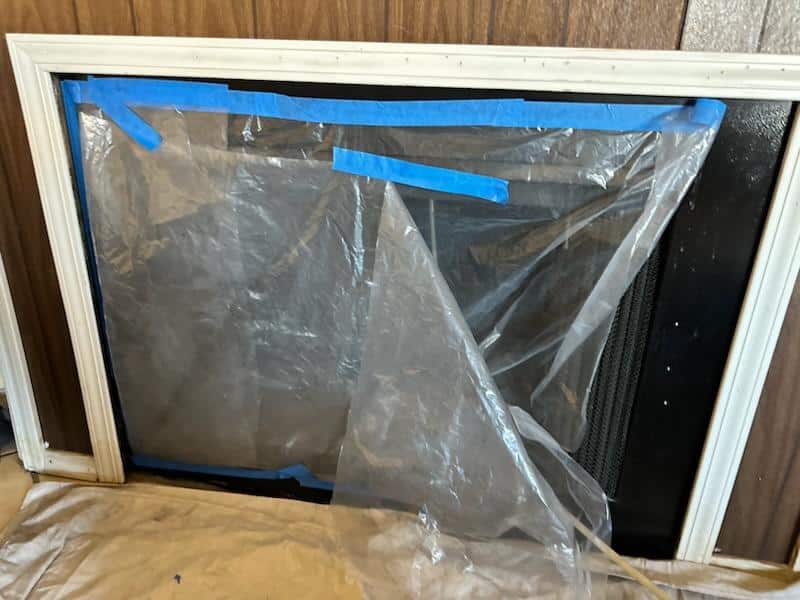
A professional appointment is designed to be controlled and low-mess:
- Protect floors and nearby surfaces (tarping/containment)
- Brush and remove buildup from the venting pathway
- Vacuum and clean the firebox area so soot/debris doesn’t drift into the home
- Final check + straightforward next steps if anything looks off
Most standard cleanings are typically completed in under an hour, assuming normal access and no major complications.
Auburn Rentals & Turnovers: Why Fireplace Maintenance Reduces Emergency Calls
For Auburn landlords and property managers, fireplaces can trigger the most inconvenient calls—often on the first cold weekend.
Turnover chimney cleaning helps:
- Reduce smoke/odor complaints at move-in
- Lower the chance of “we can’t use the fireplace” issues mid-lease
- Create a baseline condition when maintenance history is unknown
Landlord/PM Add‑On: Auburn Fireplace Rules + Tenant Photo Reporting System
Copy/paste this into a move-in email or house rules document.
Tenant fireplace rules (wood-burning)
- Burn dry, seasoned firewood only
- No trash, cardboard, or construction scraps
- Avoid long, smoldering fires (they create heavier residue)
- Keep the damper fully open during use
- Never leave a fire unattended
Stop use immediately & report if:
- Smoke enters the room
- Strong smoke odor persists when the fireplace is off
- Debris/soot flakes fall into the firebox
- Any signs of animals or nesting appear
4-photo reporting protocol (no roof access)
- Wide shot of firebox/hearth
- Photo looking up at damper area (from inside firebox)
- Exterior chimney photo from the yard/driveway
- If visible from the ground: the top/cap area
Tips for Auburn Homeowners Between Cleanings
- Use dry, seasoned wood (wet wood = more smoke and residue)
- Build hotter, cleaner fires instead of long smoldering burns
- Dispose of ashes safely: metal container with lid, allow ample cooling, store away from structures
- If smoke enters the room: stop using the fireplace and schedule service
FAQs: Chimney Cleaning in Auburn, CA
How often should I schedule chimney cleaning?
Many homeowners use an annual inspection/cleaning rhythm, adjusting based on how often they burn and what’s found. Cleaning is often recommended when buildup reaches 1/8 inch.
Why does my fireplace smell when it’s not in use?
Odors are commonly tied to residue in the system, downdrafts, or moisture intrusion. Cleaning removes a major odor source and helps narrow down what’s contributing.
My fireplace smokes at startup—should I just open a window?
A brief window crack can help establish draft, but repeated smoke spillage can indicate a restriction or other issue. If it keeps happening, stop use and schedule service.
Get Your Auburn Fireplace Ready Before the Next Cold Snap
Auburn fireplaces are a comfort feature—when they work right. Chimney cleaning is one of the simplest ways to improve draft reliability, reduce smoky odors, and keep your system safer for the season.