You light a fire and the room gets smokier instead of cozier—or you walk past the fireplace in July and still catch that “campfire” smell. In Lincoln, where fireplaces are often used seasonally (holidays, weekend evenings, first cold snaps), those symptoms usually show up right when you want the fireplace to work.
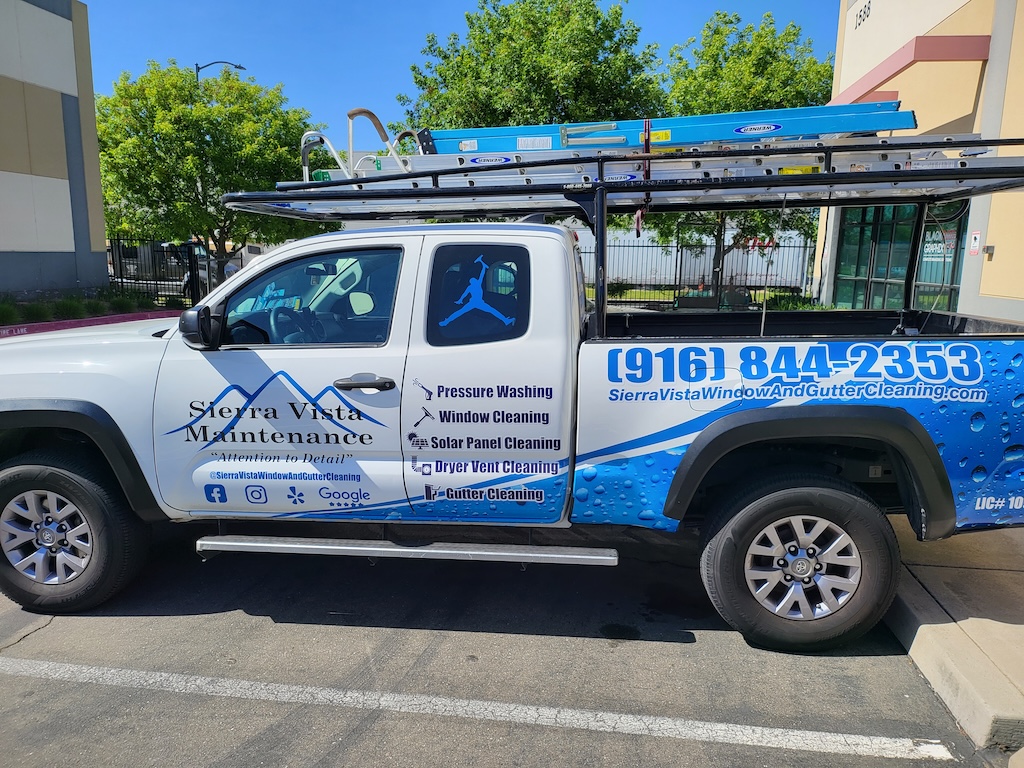
Sierra Vista Maintenance provides chimney cleaning services in the Greater Sacramento region, including Lincoln, to help homeowners address common fireplace problems like smoky odor, poor draft, and debris buildup—with a clean, contained process that respects your home.
Warning: when fireplace problems are a “stop using it” situation
If any of these are happening, stop using the fireplace/wood stove until it’s evaluated:
- Smoke is backing into the room consistently
- You suspect a blockage (debris falling, sudden draft change, animal activity)
- You notice signs of liner failure or major deterioration
- Anyone experiences symptoms that could suggest poor venting (treat as a safety issue)
A chimney’s whole job is venting. When venting isn’t working, it’s not a “try again” scenario, it’s time for a professional chimney cleaning.
Problem #1: “Why does my fireplace smell smoky when it’s not in use?”
That lingering smoke smell is one of the most common complaints—especially in homes where the fireplace is used intermittently.
What may be happening
- Creosote/soot buildup in the flue or smoke chamber can hold odor
- A damper that doesn’t seal well can let odors drift into the home
- Moisture (from weather intrusion at the top of the chimney) can intensify odors
- A missing/damaged chimney cap can let in debris and animals, adding musty smells
How chimney cleaning helps
A professional sweep removes odor-holding residue from the venting pathway and firebox area. If the team notices obvious cap/damper/top-of-chimney issues contributing to odor, they can flag that—so you’re not stuck cleaning repeatedly without solving the root cause.
Problem #2: Smoke backing into the room (especially when you first light the fire)
If smoke rolls into the room when you open the damper or start a fire, it’s usually a sign the system isn’t drafting the way it should.
Common causes (high level)
- Buildup restricting airflow (flue/smoke chamber)
- Cold flue + marginal draft (especially early in the season)
- Blockage from nests/leaves/debris
- Damper issues (not opening fully, stuck, or obstructed)
- Top-of-chimney problems (cap damage, missing cap, etc.)
What to do next
Don’t troubleshoot by repeatedly lighting bigger fires. The safer move is to get the chimney swept and evaluated for obvious restrictions so draft can return to normal.
Problem #3: Fireplace downdraft (cold air, ash smell, “reverse venting”)
A downdraft often feels like a cold air spill from the fireplace opening—or you notice smoke/ash odor drifting inward even when you haven’t burned in weeks.
Why it happens
Downdraft can be driven by pressure differences, wind, and how well the damper seals. If the chimney is dirty or has top-of-chimney vulnerabilities, the problem can be more noticeable.
Where cleaning fits
Cleaning doesn’t “fix” every downdraft scenario by itself, but it removes buildup that can worsen airflow and helps rule out restrictions. If the damper isn’t sealing or the cap is compromised, that’s often part of the long-term solution.
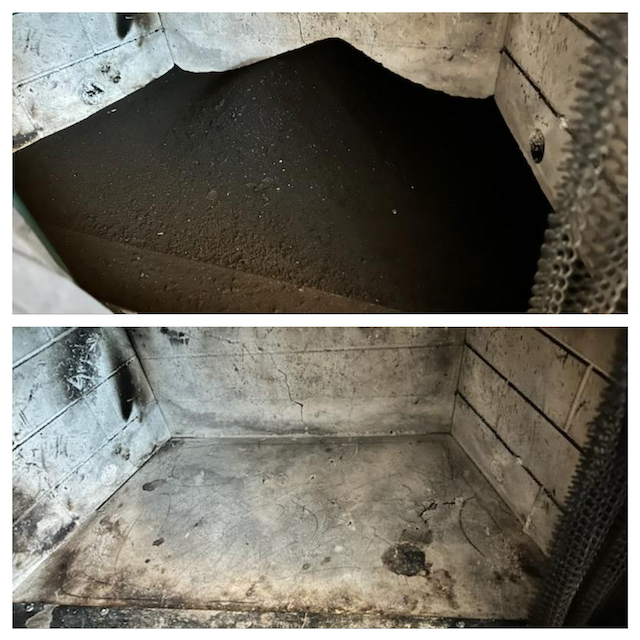
Problem #4: Soot around the opening or black flakes falling into the firebox
If you’re seeing black dust, flakes, or gritty debris, it’s a strong hint that buildup is accumulating in areas you can’t easily reach—like the smoke chamber and flue.
Why it matters
This isn’t just cosmetic. Buildup can:
- Restrict draft
- Intensify odor
- Increase chimney fire risk (creosote is flammable)
A sweep is designed to remove the residue that’s dropping down and to clear the pathway so your system vents better.
What Sierra Vista Maintenance does during chimney cleaning (clean, contained, and efficient)
If you’re picturing soot everywhere, you’re not alone. Sierra Vista Maintenance’s process is built to keep the appointment controlled:
- Protective tarp to protect your floors
- The opening is taped off for containment
- The chimney is brushed to remove soot/creosote
- The fireplace area is brushed and vacuumed
- A final check before they wrap up
Sierra Vista Maintenance also notes they do not provide certified inspections, but they will alert you if they notice visible maintenance or structural concerns during service.
Lincoln Fireplace Readiness Checklist (Before Your First Fire of the Season)
Before you light the first fire of fall/winter, do this quick walkthrough to reduce smoke issues, odor, and surprise draft problems:
1) Confirm the damper opens and closes fully
Open it all the way before lighting. If it’s stuck, gritty, or won’t seal, that can cause draft issues and let odor/cold air into the home.
2) Look for obvious blockage signs
Check the firebox for leaves, twigs, nesting material, or black flakes. If debris is falling down, the flue may be obstructed—stop and schedule service.
3) Check for strong smoke odor when the unit is cold
A persistent smoky smell can point to creosote buildup, moisture intrusion, or a sealing issue—cleaning often helps and can prevent worse performance later.
4) Inspect visible surfaces for heavy soot buildup
Soot around the opening or excessive residue inside the firebox is a sign the venting pathway likely needs attention.
5) Burn smarter (it reduces creosote)
Use dry, seasoned wood and aim for hot, clean-burning fires rather than long, smoldering burns. (Smoldering = more residue.)
6) If you moved in recently, treat the first season as “unknown history”
When you don’t know how the fireplace was used or maintained, a baseline sweep is a smart first step.
If anything seems off (smoke entering the room, suspected blockage, or visible damage), don’t use the fireplace until it’s serviced.
Why these problems show up in Lincoln homes (even with “light” use)
A lot of Lincoln households use the fireplace for ambiance—weekends, holidays, or occasional cold evenings. That pattern can actually create more residue per burn when fires are short and cooler.
Also, even when you’re not burning:
- chimneys are exposed to wind and weather
- caps can be damaged or missing
- animals can explore open flues
So a fireplace can “act up” after months of inactivity—right when you want it to work.
The chimney parts most tied to odor and draft problems (plain-English)
When you’re trying to understand what’s causing your symptoms, these are the components that usually matter most:
- Flue: the venting pathway that carries smoke out
- Liner: critical safety layer; if compromised, don’t use the system
- Smoke chamber: collects residue and can disrupt airflow
- Damper: controls airflow and helps seal the home when not in use
- Cap: blocks rain/debris/animals and supports reliable venting
- Crown/flashing/chase cover (if applicable): protects against water intrusion, which can worsen smells and deterioration
This is why professional chimney service focuses on the whole pathway—not just what you can see in the firebox.
How often should you schedule a chimney sweep in Lincoln?
Frequency depends on usage, wood quality, and appliance type, but proactive scheduling beats waiting for problems.
Sierra Vista Maintenance notes professionals recommend sweeping at least twice per year to keep the system functioning properly. For additional homeowner education, CSIA is a commonly referenced resource.
A practical baseline:
- Annual sweeping if you burn each season
- More frequent service if you burn heavily
- Baseline sweep if you moved in and don’t know the history
Wood-burning vs. gas: what Sierra Vista Maintenance cleans
This matters because “chimney cleaning” is mainly a wood-burning need.
- Wood-burning fireplaces and gas-wood combinations: Sierra Vista Maintenance can clean these (if it burns wood at all).
- Pot-bellied wood stoves: sometimes—depends on the number of bends in the piping (photos may be requested).
- Gas-only fireplaces/inserts: generally not cleaned (with limited exceptions). Gas units should still be serviced by an appropriately certified professional, but it’s not the same as wood-flue sweeping.
Why creosote is often behind performance issues
Creosote forms when smoke cools and deposits residue inside the chimney. Over time it can:
- Narrow the venting pathway
- Increase odor
- Increase chimney fire risk
It can appear as light soot, flaky buildup, or harder glazed deposits. A professional sweep is how you remove it safely and thoroughly.
FAQ: Fireplace odor, draft, and chimney cleaning (Lincoln)
Why does my house smell like smoke when the fireplace isn’t on?
Common reasons include creosote residue, a damper that doesn’t seal well, moisture intrusion, or debris/animal activity. Cleaning removes residue and can help narrow down the cause.
What causes smoke to back up into the room?
Restricted airflow from buildup or blockage, damper problems, or top-of-chimney issues can all contribute. If it’s happening consistently, stop using the fireplace until it’s serviced.
Is chimney sweeping messy?
It shouldn’t be. Sierra Vista Maintenance uses tarps, tapes off the opening for containment, and vacuums the firebox area after brushing.
How long does a chimney cleaning appointment take?
Typically under an hour, assuming normal access and no major maintenance issues.
Do gas fireplaces need chimney cleaning?
Gas-only units usually don’t need sweeping the way wood-burning systems do. They still should be inspected/serviced periodically by a qualified professional.
How do I know if creosote is building up?
You might notice stronger smoke odor, poorer draft, soot around the opening, or flakes falling into the firebox. The most reliable way to know is a professional service visit.