Cooler evenings, oak-studded hills, and that “above-the-city” foothill air are a big part of why people love living off Highway 50 in Shingle Springs, Rescue, and Cameron Park. But with fireplaces and wood stoves also comes responsibility. Sierra Vista Maintenance provides chimney cleaning services designed to help local homeowners enjoy safer, cleaner-burning fires—especially important in a region known for dry seasons and wildfire risk.
These three communities sit in the heart of El Dorado County’s Gold Foothills, a blend of close-knit neighborhoods and open countryside between Sacramento and Lake Tahoe. Whether you’re heating your home on chilly nights, enjoying a weekend fire for ambiance, or simply maintaining a property you love, a regular chimney sweep is one of the simplest steps you can take to reduce risk and improve performance.
Why Chimney Care Matters Here Along California Highway 50
Foothill living is different. Many homes are surrounded by trees and open land, the temperature swings can be bigger than in the valley, and burning season tends to feel longer. Add in the reality of smoky summers some years, and it’s easy to see why homeowners in this corridor benefit from being proactive about venting and safe operation.
A professional chimney cleaning isn’t just about removing soot—it’s about helping your system draft properly, burn more efficiently, and reduce the conditions that can contribute to chimney problems.
What a Chimney Sweep Actually Does (And Why It’s More Than “Cleaning”)
A professional chimney sweep appointment typically focuses on three outcomes:
- Clear the flue pathway so smoke and combustion gases can exit efficiently.
- Remove creosote and debris that can build up over time.
- Identify visible issues early—before they become expensive or hazardous.
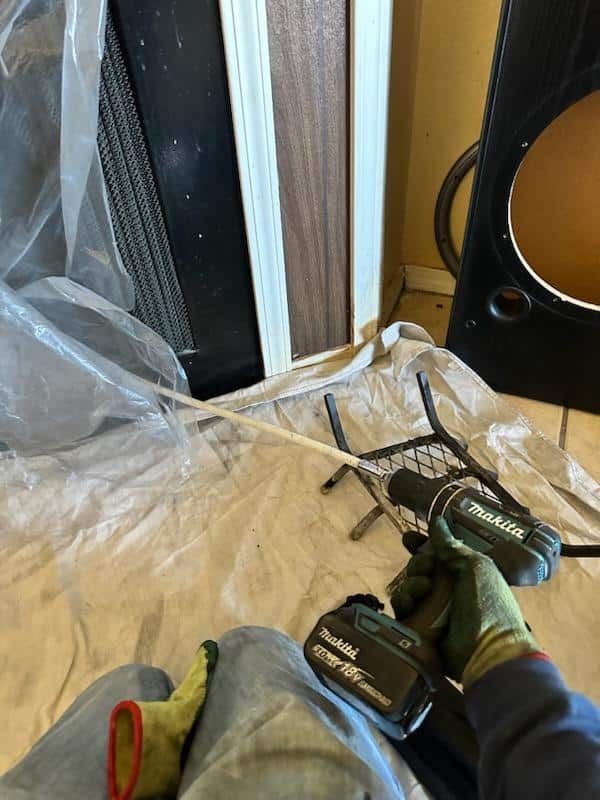
While every home is different, most appointments include careful setup to protect the area around the fireplace or stove, thorough sweeping with specialized tools, and a summary of what was found and what the next best steps are.
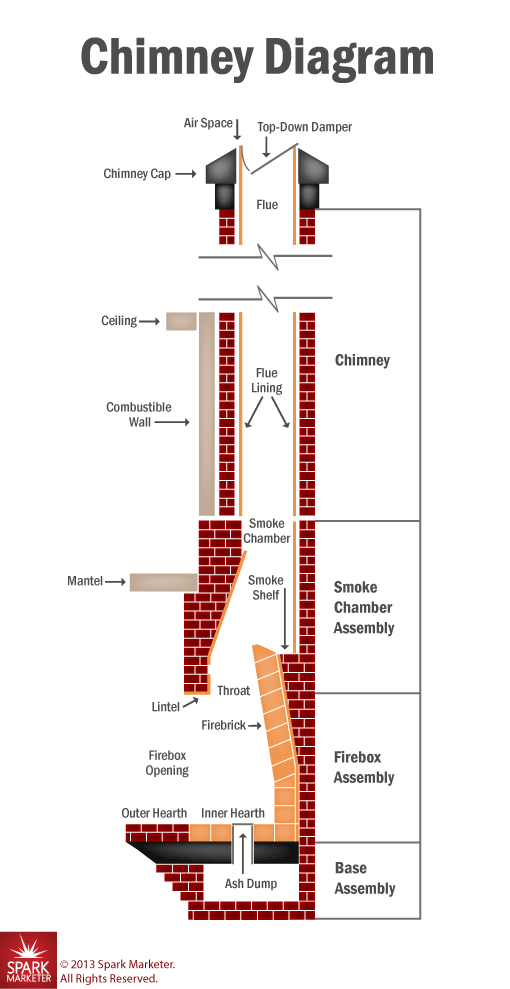
A Quick Homeowner’s Guide to Chimney Parts (So the Rest of This Makes Sense)
If you’ve ever wondered what your chimney sweep is talking about, here are the key areas that matter most:
- Firebox: Where the fire burns. Cracks or deterioration here can become safety issues.
- Smoke chamber: The transition area that guides smoke into the flue; it can collect buildup.
- Flue & liner: The passageway that vents smoke/gases out. Keeping this clear is central to safe operation.
- Damper: Helps control airflow; issues here can cause smoke problems and heat loss.
- Cap & crown (top of chimney): Helps keep out rain, debris, and animals; also reduces downdrafts and nesting problems.
In foothill communities—where wind, wildlife, and seasonal weather all play a role—those top-of-chimney components can make a bigger difference than people expect.
Signs You May Need Chimney Cleaning Services Soon
Some chimney issues are obvious, and others are completely hidden until someone looks inside. Consider scheduling a chimney sweep if you notice:
- Smoke lingering indoors or a fire that’s hard to start
- A strong smoky odor even when you’re not burning
- Soot buildup around the fireplace opening
- Flaky black residue falling into the firebox
- Unusual sounds (birds/squirrels) that may indicate nesting
- Musty smells, staining, or rust that can suggest moisture intrusion
If you live in Rescue, Shingle Springs, or Cameron Park and you’re entering burning season, this is exactly when a quick check and cleaning can pay off.
How Often Should You Schedule a Chimney Sweep in the Foothills?
The right cadence depends on how you burn and what you burn in:
- Wood-burning fireplaces & wood stoves: Typically need regular sweeping because burning wood creates soot and creosote.
- Gas fireplaces: Often produce less soot, but venting systems still need periodic inspection/maintenance to ensure safe operation and proper venting.
A good rule of thumb is: if you burn regularly during fall and winter, don’t assume last year’s cleaning “still counts.” Buildup can happen faster than homeowners expect—especially with cooler burns, damp wood, or restricted airflow.
Best Times to Book Chimney Cleaning Services in Shingle Springs, Rescue & Cameron Park
In foothill communities, the “busy season” tends to hit fast:
- Late summer / early fall: Ideal for getting ahead of the first cold nights.
- Mid-season: Useful if you’re burning heavily or notice draft changes.
- Spring: Great for cleaning out buildup and reducing off-season odors.
Booking early also gives you time to address any issues discovered during the visit—without feeling rushed.
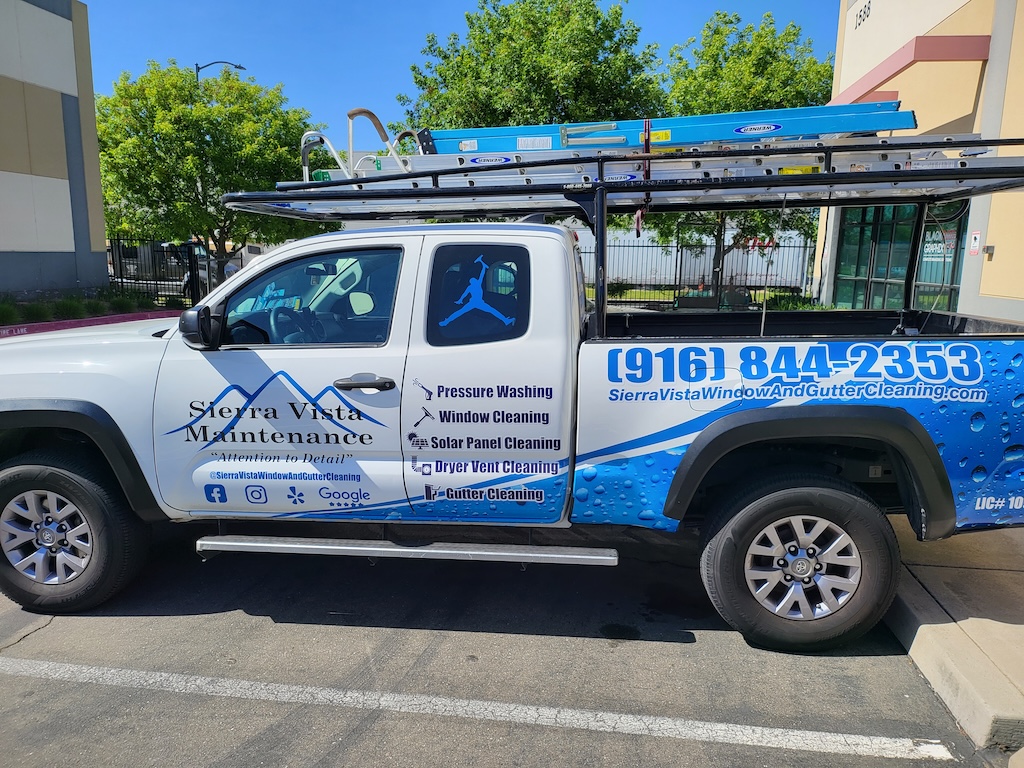
What to Expect When Sierra Vista Maintenance Comes Out
Homeowners often worry chimney sweeping will be messy or disruptive. A professional visit should be the opposite: controlled, tidy, and straightforward.
You can generally expect:
- A quick walkthrough of the setup and your goals (performance, safety, odor, etc.)
- Protective measures around the work area
- Thorough sweeping/cleaning based on your system type
- A clear summary of what was found and any recommendations
If your goal is “simple peace of mind before we start burning,” say so—that helps tailor the visit to what matters most to you.
Common Foothill Scenarios We See Along Highway 50 California
These communities include everything from older chimneys to newer installs, from neighborhood homes to properties with more land. A few patterns are common:
- Wood stoves used as supplemental heat (or as the main heat source in some homes)
- Fireplace inserts added for efficiency
- Taller chimneys and varied venting setups that can influence draft
- Wildlife activity, especially when chimneys are uncapped or rarely used
Local living is one reason having a chimney sweep who understands foothill conditions is valuable—small differences in venting, exposure, and usage can change how your system behaves.
Wood-Burning vs. Gas: Which Needs Sweeping and Why?
This is one of the most common points of confusion.
Wood-burning fireplaces and stoves
Wood produces:
- Soot
- Smoke byproducts
- Creosote (a sticky, flammable residue)
That’s why wood-burning systems typically need routine chimney sweeping. The goal is to keep the venting pathway clear and reduce the risk associated with creosote buildup.
Gas fireplaces
Gas appliances often create less soot, but that doesn’t mean they’re “set it and forget it.” Gas systems still rely on proper venting, and components can develop issues over time (blockages, venting concerns, airflow/drafting problems, and general wear). Periodic servicing/inspection is still a smart safety step.
If you’re not sure what you have—wood, gas, insert, freestanding stove—Sierra Vista Maintenance can help you identify the system and recommend an appropriate maintenance schedule.
Creosote 101: Stages, Risks, and Removal Options
Creosote is the big reason chimney cleaning services matter for wood-burning systems. It forms when smoke cools and deposits unburned compounds along the flue walls.
Stage 1: Light soot / dusty creosote
- Often a thin, powdery layer
- Typically removed with standard professional sweeping
Stage 2: Flaky or crunchy buildup
- More stubborn deposits
- Can restrict airflow and require more intensive brushing
Stage 3: Glazed creosote
- Hardened, shiny, tar-like coating
- Higher concern and typically requires specialized professional removal approaches
Why creosote matters
- It can restrict draft, leading to smoke spillage and poor performance
- It can increase the risk of chimney fires
- It can contribute to unpleasant odors
Creosote buildup is influenced by burning habits (cooler, smoldering fires), moisture content in wood, airflow, and the overall venting configuration.
Foothill Living Bonus: Enjoy the Season—Responsibly
One of the joys of these communities is seasonal living—apple season nearby, crisp evenings, and outdoor time that doesn’t feel like city life. A clean, well-maintained chimney system supports that lifestyle by helping fires burn cleaner and more predictably.
The goal isn’t to make homeowners anxious—it’s to make burning more comfortable and less risky.
Book Chimney Cleaning Services in Shingle Springs, Rescue & Cameron Park
If you’re getting ready for burning season—or you’ve noticed changes in draft, smoke, or odor—Sierra Vista Maintenance is here to help with professional chimney cleaning services and local, straightforward support for homeowners along Highway 50.
Next step: Schedule your chimney sweep so you can enjoy the comfort of a fire with greater peace of mind.
FAQ: Chimney Cleaning & Chimney Sweep Basics
How long does a chimney sweep take?
It depends on the appliance type, access, and buildup level, but most standard appointments fall within a reasonable service window. Heavier creosote or complex systems can take longer.
Is chimney sweeping messy?
A professional service should include containment and cleanup practices to keep the home clean.
Do gas fireplaces need sweeping?
Not in the same way wood systems do, but gas units and their venting should still be inspected/maintained periodically for safe operation.
What if I smell smoke in the house?
Stop using the fireplace/stove until the issue is assessed. Smoke odor can be related to draft problems, buildup, or blockages.
How do I reduce creosote buildup?
Clean-burning habits matter (hotter fires, good airflow, properly seasoned wood), but the most reliable protection is routine professional chimney cleaning based on your usage.