
When the first fall rains sweep through Sacramento County, homeowners can tell who prepared—and who didn’t. Drive through Carmichael, Fair Oaks, or Folsom during one of those early-season downpours, and you’ll see it: overflowing gutters, downspouts gushing at odd angles, and driveways that look more like rivers than concrete. These scenes are so common that most people forget how preventable they are when you storm proof your home.
A home’s gutter and downspout system isn’t glamorous, but it’s one of the most important defenses against costly water damage. When they’re working properly, they quietly move thousands of gallons of rainwater away from your roof, siding, and foundation. When they’re not, they can leave behind a disaster. And as we head into another unpredictable rainy season—with flash floods and downbursts becoming increasingly common across Sacramento County—homeowners are realizing that now is the time to make sure their drainage systems are ready.
Table of Contents
According to NOAA’s Sacramento weather office, most of our region’s 18 inches of annual rainfall comes between November and March. But it’s not just the amount that matters—it’s the intensity. Atmospheric rivers and short, powerful storms can drop inches of rain in just a few hours, overwhelming older or poorly designed gutters and downspouts. During one storm in early 2024, for instance, wind gusts exceeded 65 mph, knocking out power to over 200,000 SMUD customers. When storms like that hit, water doesn’t just fall—it forces its way into any weak spot your home offers.
That’s where professional downspout replacement services come in. Sierra Vista Maintenance specializes in durable, high-flow, seamless gutter downspouts designed to handle the heavy rainfall and wind pressures common across Sacramento, El Dorado, and Placer counties.
Why Sacramento Homes Need Storm-Ready Downspouts
The Sacramento area’s geography is a patchwork of floodplains, foothills, and aging neighborhoods, and that diversity makes stormwater management tricky. Homes in lower areas near the American River Parkway face pooling and foundation seepage, while hillside communities in El Dorado Hills or Granite Bay deal with runoff that can erode soil and even trigger small slides. Local agencies have tracked storm patterns for decades—the Sacramento County Drainage Manual details how “short, intense bursts” of rain cause far more drainage problems than slow, steady rainfall.
In neighborhoods like Carmichael and Arden-Arcade, where mature oaks tower over older homes, even a single branch can block a downspout and redirect gallons of water toward fascia boards, siding, or basement windows. That’s exactly what happened during the September 2025 downburst that hit Carmichael with 70 mph winds—dozens of homes were damaged when gutters filled with debris and overflowed onto rooftops and stucco walls.
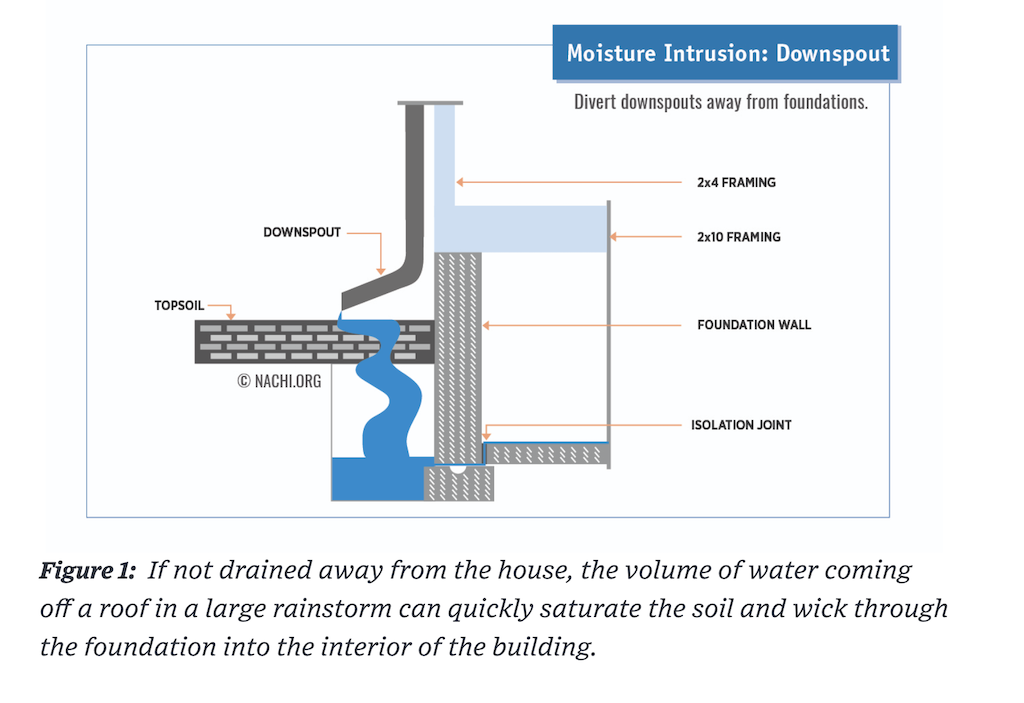
When these systems fail, the results are expensive. The Federal Emergency Management Agency (FEMA) estimates that just one inch of water inside a home can cause more than $25,000 in damage, and standard homeowners insurance doesn’t cover flood-related losses. And while most people imagine “flooding” as rivers overflowing, the reality is that local water intrusion often begins just a few feet from the foundation—from clogged gutters, disconnected downspouts, or improper grading.
When the Rain Turns to Risk
Recent storms have made it clear that extreme weather isn’t some future concern—it’s already here. In early 2024, the Sacramento region was slammed with sustained winds topping 65 mph, flattening trees, tearing shingles, and scattering debris across neighborhoods. According to SMUD’s damage report, more than 200,000 customers lost power that day, many for over 24 hours. These storms don’t just test the grid—they test your home’s exterior, too.
In El Dorado County, heavy rain has a different consequence. Hillside homes along Highway 50 experience flash flooding and occasional mudslides when the soil becomes saturated. During the intense 2017 storm season, multiple slides forced road closures between Pollock Pines and Strawberry as slopes gave way under the weight of continuous rainfall (CBS News Sacramento). Just one year later, similar conditions in Placer County triggered a mudslide that damaged several homes, reminding homeowners that water runoff from uphill properties can be just as destructive as surface flooding in the valley.
Even city neighborhoods aren’t immune. Sacramento’s lush urban canopy—a source of pride for residents—also adds risk. In a single winter season, over 1,000 trees were reported down citywide, many crushing roofs, vehicles, and fences (Associated Press). Branches, leaves, and acorns collect in gutters faster than most homeowners can clear them, and when heavy rain follows, downspouts become the choke points that decide whether the water drains away—or floods into your soffits and siding.
The Hidden Dangers of Poor Drainage
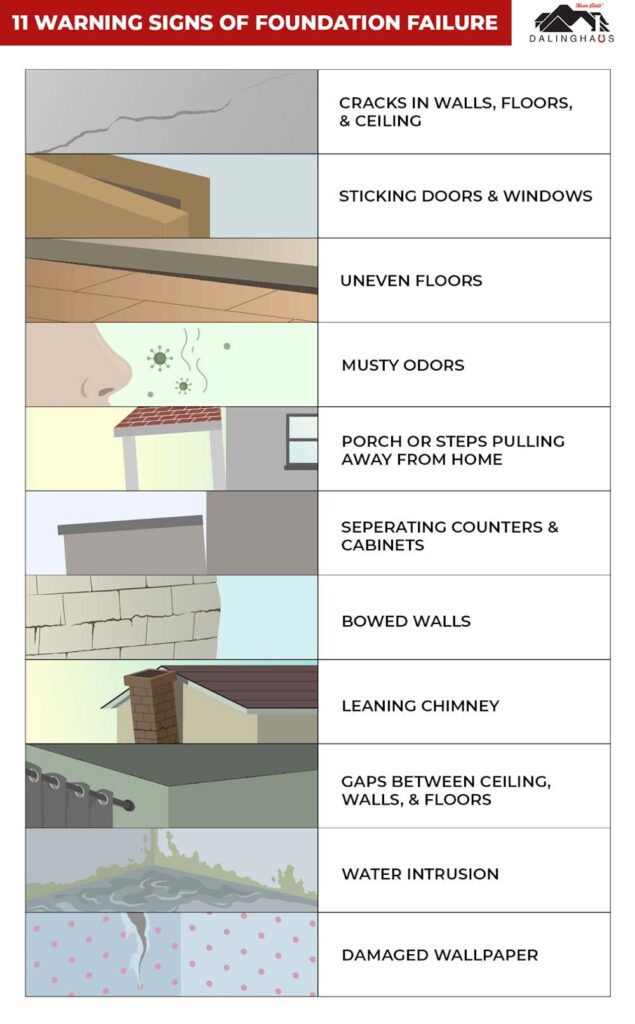
Water doesn’t care how nice your paint looks or how new your windows are. If it can find a way into your home, it will. Clogged or deteriorating downspouts allow water to pool around the foundation, slowly eroding soil and seeping into crawl spaces. Over time, that moisture invites mold, wood rot, and pests like termites and carpenter ants. In older Sacramento neighborhoods—particularly those built before modern grading codes—these issues compound faster because driveways and patios often slope toward the house instead of away from it.
National insurance data paints a sobering picture. Roughly one in every 60 homes files a water-damage-related claim each year, and nearly 30 percent of all property claims are tied to water intrusion. The average payout? Between $11,000 and $14,000, depending on severity. And those figures don’t include out-of-pocket repairs for homeowners without flood coverage. According to FEMA’s FloodSmart program, flood damage is not covered by standard homeowners policies—only separate flood insurance applies. That means a single bad storm could leave homeowners footing the bill for cleanup, mold remediation, and foundation repair.
Inside the home, the first signs of gutter or downspout failure are subtle: small water stains on ceiling corners, peeling paint near window sills, or musty odors in crawl spaces. By the time those symptoms appear, the real damage—wet insulation, decaying joists, and compromised framing—has often already begun. Water infiltration is a slow-burn problem; it doesn’t always look dramatic until it’s too late.
Quality vs. Cheap Downspouts: Why It Matters
Not all downspouts are created equal. Many big-box retailers sell thin-gauge aluminum or vinyl models that might look fine for a year or two but corrode, crack, or collapse under Sacramento’s storm conditions. These models often have sharp interior edges or narrow bends that catch debris and restrict flow, making clogs more frequent and overflow inevitable.
Professional-grade downspouts—like the premium corrugated systems used by Sierra Vista Maintenance—are built to prevent those problems from the start. Their wider circumference allows for faster water evacuation, even during torrential bursts, while the seamless design eliminates weak points that tend to leak or rust. Just as importantly, proper alignment ensures gravity does the work—water travels smoothly from the gutter to the ground instead of fighting through tight, twisting angles.
Quality also shows up in materials. Thicker aluminum or coated steel resists corrosion through years of exposure to Sacramento’s hot, dry summers and cool, wet winters. Lower-quality systems expand and contract unevenly with temperature swings, loosening seams and joints over time. Once that happens, it’s only a matter of storms before the downspout detaches from the fascia or dumps water right against your foundation.
When you consider the cost of repairing foundation cracks, repainting siding, or remediating mold, the difference between a discount downspout and a professional installation becomes obvious. Investing in better materials and expert installation means your system can outlast 15 years or more—even through the heavy rain cycles that follow California’s inevitable drought years.
How to Know It’s Time to Replace Your Downspouts
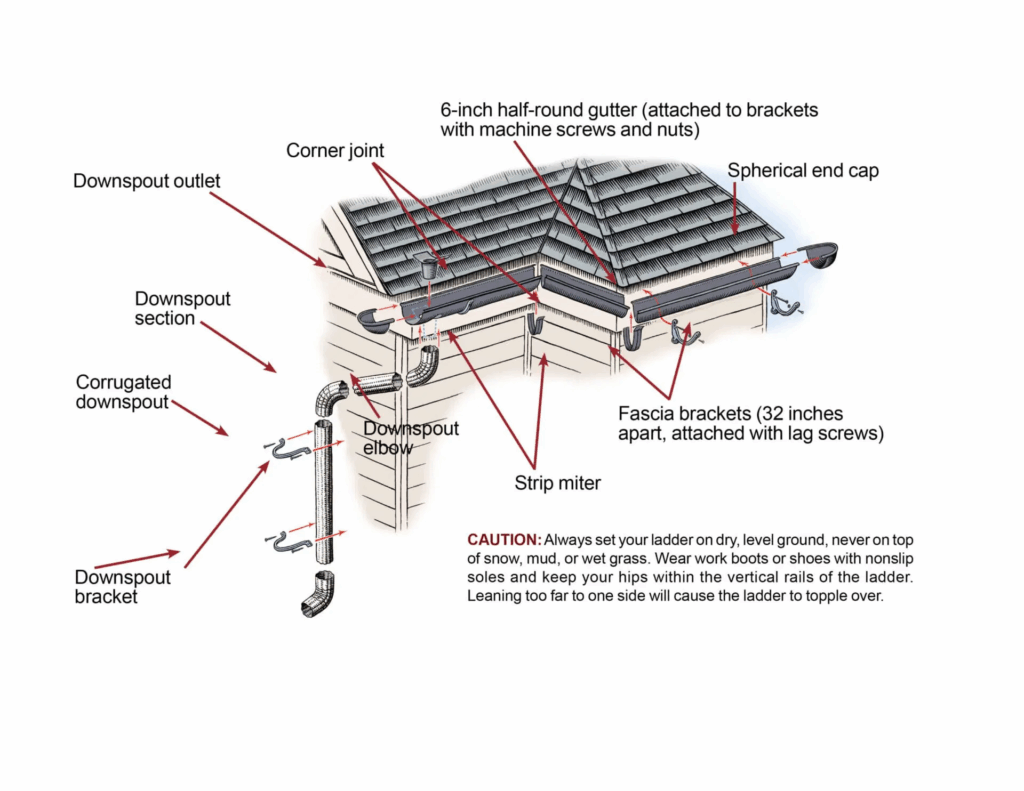
Even the best systems don’t last forever. Sacramento homeowners should start inspecting their gutters and downspouts each fall for telltale signs of wear. If you notice any of these, it’s time for an upgrade:
- Rust, corrosion, or peeling finish on the downspout exterior
- Leaks or drips from joints and elbows after rain
- Mold or mildew growth along gutter seams
- Standing water or soil erosion near your foundation
- Clogs that keep returning even after cleaning
- Visible dents, cracks, or separation from the gutter system
Downspouts typically last 10 to 20 years, depending on material quality and maintenance. But given how Sacramento’s storms have intensified in recent years, even a 10-year-old system might be undersized for today’s rainfall patterns. If you’re unsure, it’s smart to have a professional inspection before the next big weather front rolls through.
Why DIY Doesn’t Work (and Often Causes More Damage)
Plenty of homeowners have learned the hard way that gutter and downspout replacement isn’t a simple weekend project. Even with the best intentions, a lack of experience or proper tools can lead to serious problems—and sometimes serious injuries.
A professional installer measures every length, cut, and angle precisely. A DIYer, on the other hand, is often working from a ladder with a hacksaw, a tube of caulk, and guesswork. Downspouts need to be cut and crimped to exact dimensions so that water flows naturally toward the outlet. If even one joint is misaligned, water pressure will force leaks through seams or backflow into the gutter. Over time, this can warp fascia boards or undermine the gutter brackets holding the entire system in place.
Then there’s the issue of safety. According to the U.S. Consumer Product Safety Commission, more than 164,000 Americans are treated annually for ladder-related injuries—many during home improvement projects like gutter maintenance. Falls from even six to ten feet can result in broken bones or spinal injuries, and they happen most often when a homeowner tries to overreach to avoid repositioning a ladder. Replacing downspouts requires constant climbing, descending, cutting, measuring, and carrying metal lengths—all while maintaining balance. Professionals like Sierra Vista Maintenance are trained, insured, and equipped with the right gear to do the job safely and efficiently.
Even if you manage to install a new downspout without incident, there’s still the problem of unknowns. Was the slope set correctly? Did the crimping create a watertight seal? Did you check that the outlet lines up with the underground drain or splash block? These questions matter because mistakes often don’t show up until the next heavy storm—when it’s too late to fix them.
Absolutely — a well-placed table will elevate that section and make it more scannable, especially for readers comparing “DIY vs. Professional” decisions.
Table: DIY Downspout Replacement vs. Professional Installation
| Factor | DIY Replacement | Professional Installation (Sierra Vista Maintenance) |
|---|---|---|
| Safety | High risk of ladder falls and tool-related injuries; over 160,000 Americans injured each year doing ladder work. | Technicians are trained, insured, and equipped with safety gear for ladder and roof work. |
| Tools & Materials | Relies on retail parts and limited tools like hacksaws and caulk; often poor fit or low-quality metal. | Uses premium corrugated downspouts, proper crimping tools, and seamless fittings sourced from professional suppliers. |
| Accuracy of Measurements | Requires estimating angles and lengths—small mistakes can cause leaks or backflow. | Satellite imaging and on-site precision measuring ensure exact alignment and slope for optimal water flow. |
| Time & Efficiency | Can take several hours or even days, with multiple hardware store trips. | Most downspout replacements completed in under one hour per unit. |
| Durability | Thin metal or vinyl expands, cracks, and corrodes quickly under Sacramento’s heat and rainfall cycles. | Heavy-gauge aluminum or coated steel downspouts last 15+ years with minimal maintenance. |
| Warranty & Accountability | No warranty—homeowner assumes full responsibility for performance and safety. | Licensed, bonded, and insured in California; workmanship and materials are professionally guaranteed. |
| Long-Term Cost | Lower upfront cost, but recurring clogs, leaks, and rework increase expense over time. | Higher initial investment, but longer lifespan and fewer repairs save money in the long run. |
How Sierra Vista Maintenance Ensures Storm-Ready Drainage
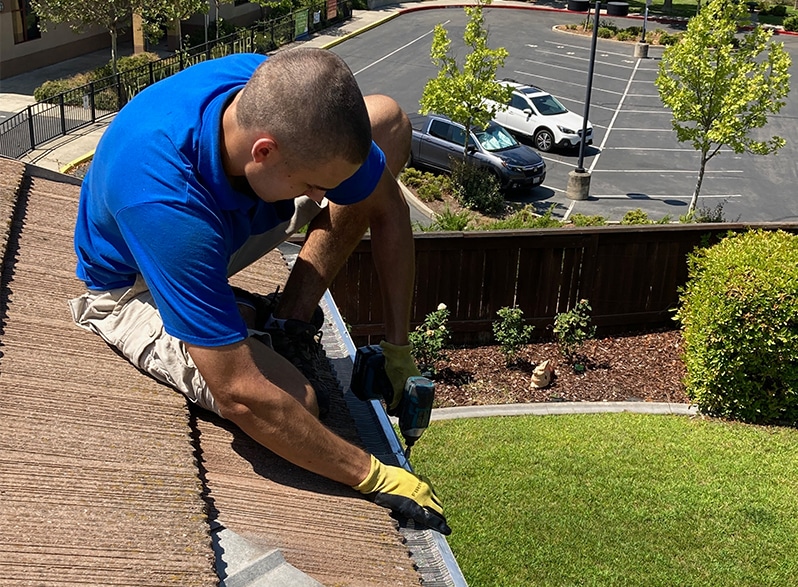
What sets Sierra Vista apart is precision. Every job begins long before the crew arrives at your home. Using satellite imaging, Sierra Vista Maintenance measures each downspout location and length in advance so technicians know exactly what materials to bring. That means no guesswork, no cutting corners, and no wasted time on site.
Each replacement typically takes less than an hour. The crew removes the old downspout, inspects the gutter outlet for damage, and installs a new seamless, corrugated model that fits perfectly with your existing gutter system. The design eliminates unnecessary joints and sharp bends, so water flows smoothly without turbulence or clog points. For homeowners who want extra protection, Sierra Vista also offers downspout screens—a smart add-on that filters leaves and debris before they enter the pipe.
All materials are professional-grade, sourced from a top-tier supply house rather than a big-box retail chain. The aluminum and coated-steel models used by Sierra Vista are thicker and more corrosion-resistant than standard consumer options. Each comes pre-finished in a crisp white that matches virtually any home, and they’re fully paintable for custom colors.
Just as important as the materials is Sierra Vista’s commitment to safety and care. The company is licensed, bonded, and fully insured in the State of California, qualified to operate on both residential and commercial properties. Every technician is trained to minimize disruption, protect landscaping, and leave your property spotless when the work is complete. Homeowners also receive before-and-after photos documenting the installation so they can see the difference firsthand.
Regional Considerations: Sacramento County, El Dorado, and Placer
Not all rainfall hits the same way. The valley floor, foothills, and higher elevations each present unique drainage challenges. In Sacramento County, where floodplains dominate and soil drainage is slower, downspouts must move water far enough away from the foundation to prevent pooling. Many homes benefit from extensions or underground drains that direct water toward the street or a dry well.
In El Dorado County, the terrain is steeper. Homes perched on hillsides face both surface runoff and slope saturation. A poorly routed downspout can send hundreds of gallons downhill in a single storm, eroding retaining walls or triggering small slides. During the 2017 mudslide events along Highway 50, road crews noted that clogged drainage systems on private property made conditions worse. For foothill residents, durable, wide-mouth downspouts combined with debris screens are critical for managing that surge of water safely.
Further west in Placer County, communities like Rocklin, Roseville, and Loomis deal with clay-heavy soil that drains poorly. This can lead to surface runoff that ponds near patios or garage slabs. Homeowners often mistake this for a grading issue when, in reality, it’s a downspout problem: water exits too close to the structure and doesn’t have a clear escape route. Extending or redirecting downspouts even a few feet can solve what looks like a major drainage flaw.
These differences across the region underscore why there’s no one-size-fits-all solution. A system that works for a flat lot in Elk Grove might fail completely on a sloped property in Cameron Park. That’s why Sierra Vista Maintenance tailors each installation to the home’s architecture, elevation, and water-flow pattern rather than relying on a generic template.
Storm-Proof Strategies Beyond Downspouts
Replacing old downspouts is one of the most effective ways to prevent water damage, but it’s even better when combined with a few additional steps. Sacramento’s storms don’t just dump rain—they deliver debris, leaves, pollen, and airborne ash from summer wildfires. To keep everything flowing properly:
1. Schedule regular gutter cleanings.
Gutters can’t do their job if they’re clogged with leaves and grit. Professionals recommend cleaning them at least twice per year—once in late spring and again in early fall. Sierra Vista Maintenance offers full gutter and downspout cleaning before and after the rainy season to keep systems clear.
2. Install gutter guards or downspout screens.
These barriers block large debris from entering the gutter channel. While no guard system is completely maintenance-free, a high-quality mesh dramatically reduces clog frequency and makes seasonal cleanings faster.
3. Inspect for loose brackets and sealant cracks.
Extreme heat and cold cause metal to expand and contract, loosening screws and drying out sealants. A quick inspection each fall can prevent water from seeping behind the gutter or fascia.
4. Watch for ground erosion and pooling.
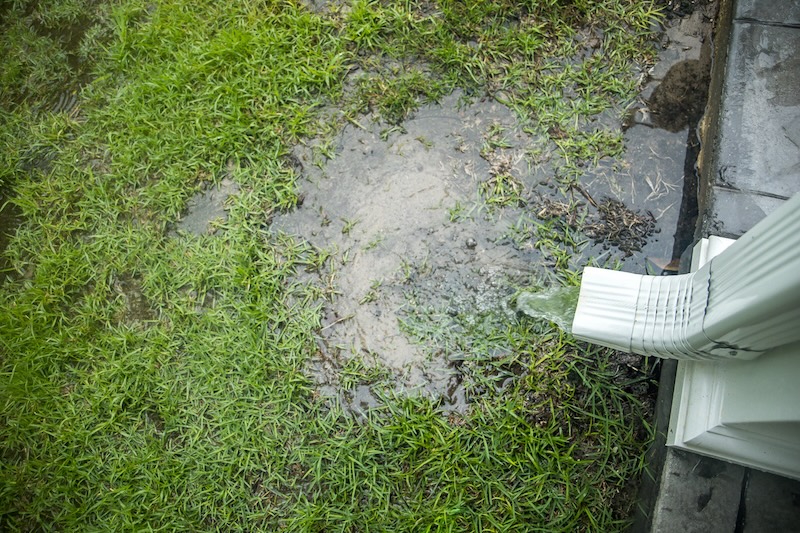
After a storm, walk the perimeter of your home. Look for soft soil, trenches, or mulch displacement near downspout outlets. If you see pooling water within three feet of your foundation, consider extending your downspouts or connecting them to underground drains.
5. Maintain your roofline and tree canopy.
Trim branches hanging over your roof before the rainy season. Falling leaves and twigs are the number-one cause of downspout blockages. Sacramento’s tree canopy is beautiful—but it needs management.
Taking these small steps alongside a professional downspout replacement can extend the life of your entire drainage system by years.
A Look Ahead: Weather Trends and Preparation
Scientists and local weather agencies agree that Northern California’s storm patterns are becoming more volatile. The National Oceanic and Atmospheric Administration (NOAA) warns that atmospheric river events—those long plumes of concentrated moisture from the Pacific—are likely to grow stronger and less predictable in coming decades. That means fewer rainy days overall but more extreme rainfall when it does arrive.
In practical terms, Sacramento homeowners should expect the unexpected. The city’s extensive levee system protects against major river flooding, but it can’t prevent roof leaks, drainage backups, or localized flash floods. In fact, many of the worst property losses happen far from flood zones, where homeowners assume they’re safe and skip maintenance until problems surface.
Meanwhile, urban growth is reducing the amount of natural soil available to absorb rainfall. New driveways, patios, and hardscaping increase runoff, which places even more pressure on gutters and downspouts to do the heavy lifting. Without reliable drainage, that water ends up under foundations, in basements, or pushing through walls.
The takeaway is simple: storms are getting stronger, and homes aren’t getting any younger. Investing in robust drainage isn’t about vanity—it’s about protecting the largest financial asset most families will ever own.
Get Ready Before the Rain Starts
Fall is when Sacramento’s weather shifts gears, and by the time the first real storm hits, service calendars for home maintenance companies are usually full. The smartest homeowners call early—before the downpours begin—to make sure their gutters and downspouts can handle what’s coming.
Sierra Vista Maintenance makes it easy. With quick appointments, satellite-based measurements, and expert installation, their downspout replacement services help homeowners stay one step ahead of the weather. Whether you live under the tree canopy of East Sacramento, the hillsides of El Dorado Hills, or the clay soil plains of Placer County, your home deserves a drainage system that works as hard as you do.
Don’t wait for the next atmospheric river to test your gutters. Get your home storm-ready today—because prevention is always cheaper, safer, and cleaner than repair.