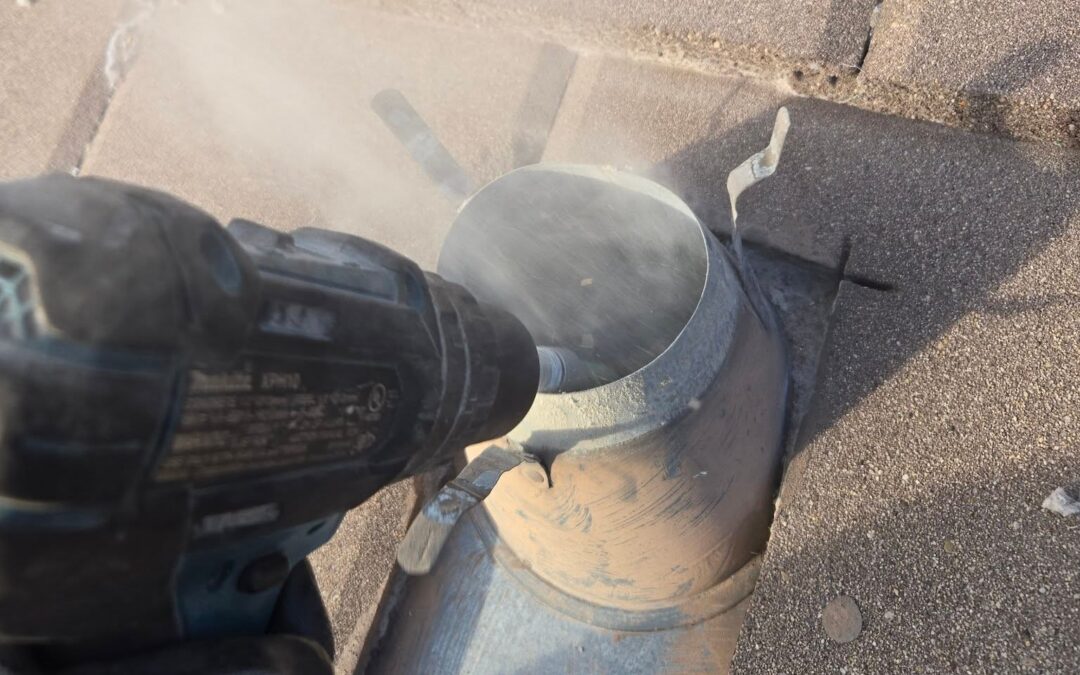
Why Dryer Vent Cleaning Matters More Than Most Homeowners Realize
Dryer vent cleaning is one of those home maintenance tasks that is easy to forget because the problem is usually hidden.
You can see dirty windows. You can see clogged gutters overflowing. You can see a stained driveway or dusty patio.
But a clogged dryer vent usually builds up quietly behind the wall, inside the duct, or near the exterior vent opening. By the time most homeowners notice a problem, the dryer may already be working harder than it should.
For homeowners, property managers, landlords, and commercial properties across the Greater Sacramento area, professional dryer vent cleaning is about two things: safety and performance.
A clean dryer vent helps reduce fire risk, improves airflow, supports better dryer efficiency, and helps your appliance do its job without unnecessary strain. For busy households, rental properties, apartment units, and larger homes, that matters.
At Sierra Vista Maintenance, dryer vent cleaning is part of a broader home maintenance approach focused on helping Sacramento-area properties stay safer, cleaner, and better maintained year-round.
This guide breaks down:
- What actually builds up inside a dryer vent
- Why some homes are more prone to dryer vent problems than others
- How often dryer vents should be cleaned
- What warning signs to watch for
- How dryer vent needs vary by city and community
- How to find your local dryer vent cleaning page
What Actually Builds Up Inside a Dryer Vent
A dryer vent may seem simple: hot air leaves the dryer, travels through the vent, and exits outside the home.
But over time, several things can interfere with that process.
Lint Accumulation
Lint is the biggest and most common dryer vent issue.
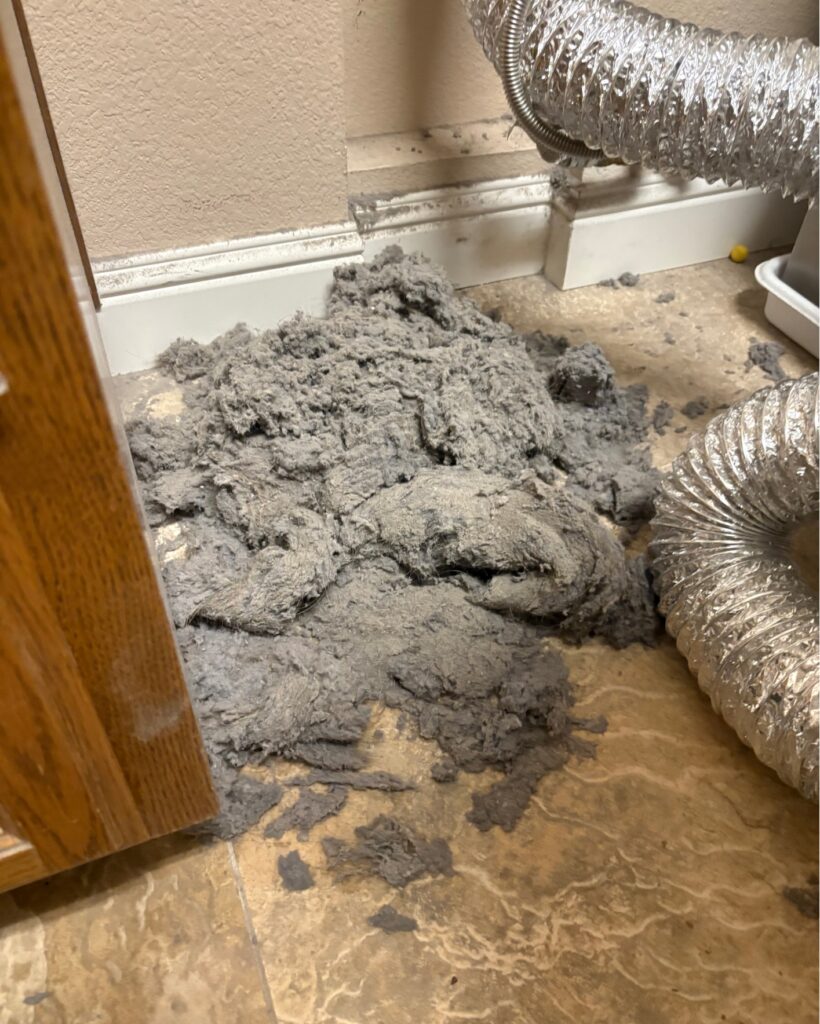
Even when you clean the lint trap after every load, some lint still passes through the dryer system and enters the vent line. Over time, that lint can cling to the inside of the duct, collect near bends, and build up around the exterior vent opening.
The problem is that lint is both restrictive and flammable.
As it collects, airflow becomes weaker. The dryer has to work harder. Heat may build up. Clothes may take longer to dry. The appliance may feel hotter than normal.
That is why dryer vent cleaning is not just a convenience service. It is a safety and efficiency service.
Airflow Restrictions & Blockages
Lint is not the only thing that can restrict airflow.
Dryer vents may also be affected by:
- Crushed or kinked ducting
- Long vent runs
- Too many turns or elbows
- Poor vent routing
- Old or damaged vent materials
- Debris near the exterior vent
- Clogged vent covers
The longer and more complicated the vent path, the more opportunities there are for lint to collect and airflow to slow down.
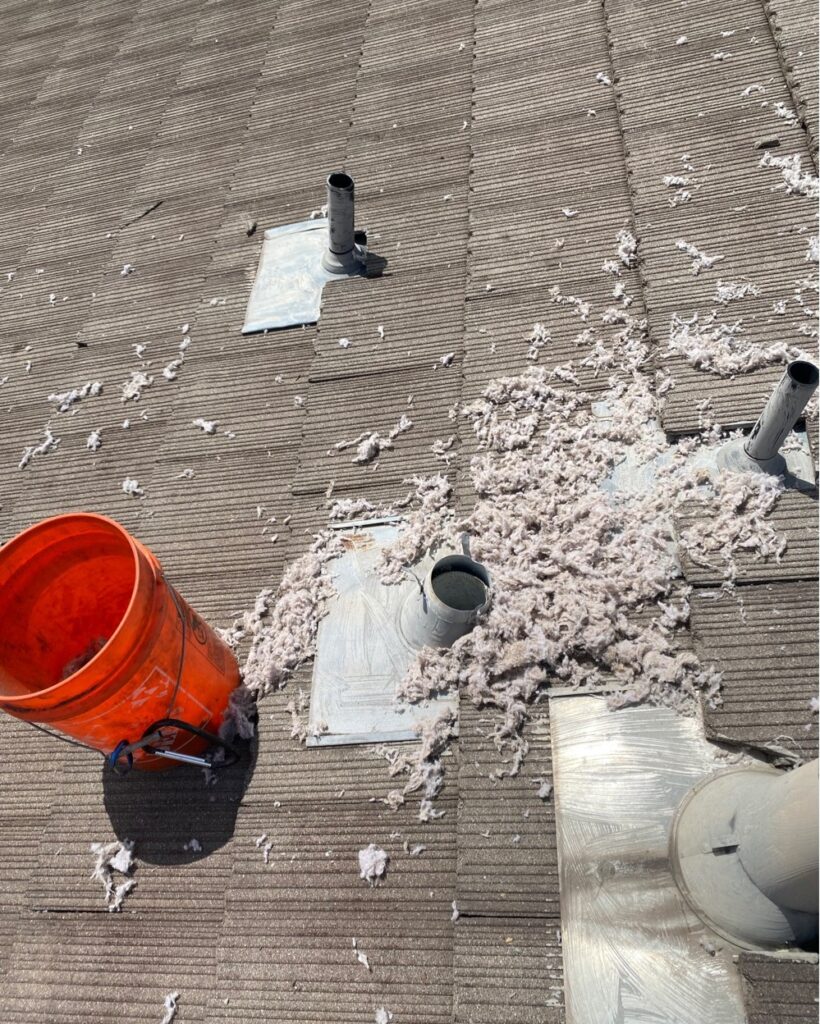
This is especially important in homes where the laundry room is not located on an exterior wall. When the dryer has to vent through a longer path, up through a roof, or across part of the home, maintenance becomes more important.
Exterior Vent Obstructions
The exterior vent is the final exit point for heat, moisture, and lint.
If that vent is blocked, airflow suffers.
Common exterior vent issues include:
- Lint collecting around the vent flap
- Bird nesting materials
- Leaves and outdoor debris
- Damaged vent covers
- Pest activity
- Vent flaps that do not open properly
Sometimes the dryer itself seems to be working, but the vent is not expelling air the way it should. That can cause heat and moisture to stay trapped inside the system.
Moisture & Heat Buildup
A dryer vent is designed to remove both heat and moisture.
When airflow is restricted, moisture can linger inside the duct. This can make clothes take longer to dry and can make the laundry area feel warmer or more humid than normal.
Heat buildup is also a concern. When the dryer cannot push air out efficiently, the appliance works harder and runs longer. That can increase wear on the dryer and raise the risk of overheating.
Quick Dryer Vent Risk Check
Your dryer vent may need attention if you notice:
- Clothes taking longer than normal to dry
- Towels or jeans still damp after a full cycle
- The dryer feels hot to the touch
- The laundry room feels unusually warm
- There is a burning smell while the dryer is running
- Lint is collecting around the dryer or exterior vent
- The exterior vent flap barely opens
- You cannot feel strong airflow outside while the dryer is running
- You recently moved into a home and do not know when the vent was last cleaned
- You manage a rental property with frequent laundry use
One warning sign may not mean there is an emergency, but it does mean the system should not be ignored.
The 4 Risk Factors That Increase Dryer Vent Problems in Sacramento-Area Homes
Dryer vent problems can happen anywhere, but certain home types and usage patterns make them more likely.
Across the Greater Sacramento area, four factors matter most: home age, vent complexity, property size, and laundry usage.
Older Homes with Inefficient Vent Routing
Common in: Sacramento, Land Park, Carmichael, Arden-Arcade, Fair Oaks, Rosemont, North Highlands, Auburn, Placerville
Older homes often have dryer vent systems that were added, modified, or rerouted over time.
In some homes, the laundry area may have been moved from one part of the house to another. In others, the vent path may include older duct materials, tight turns, or less efficient routing.
Older homes may also have smaller laundry spaces, older exterior vent covers, or vent lines that have not been cleaned consistently.
That does not mean every older home has a dryer vent problem. But it does mean homeowners should pay closer attention to warning signs like slow drying, excess heat, and weak airflow.
Newer Homes with Complex Vent Systems
Common in: Elk Grove, Roseville, Rocklin, Rancho Cordova, Lincoln, Vineyard, Antelope
Newer homes are not automatically safer or easier when it comes to dryer vents.
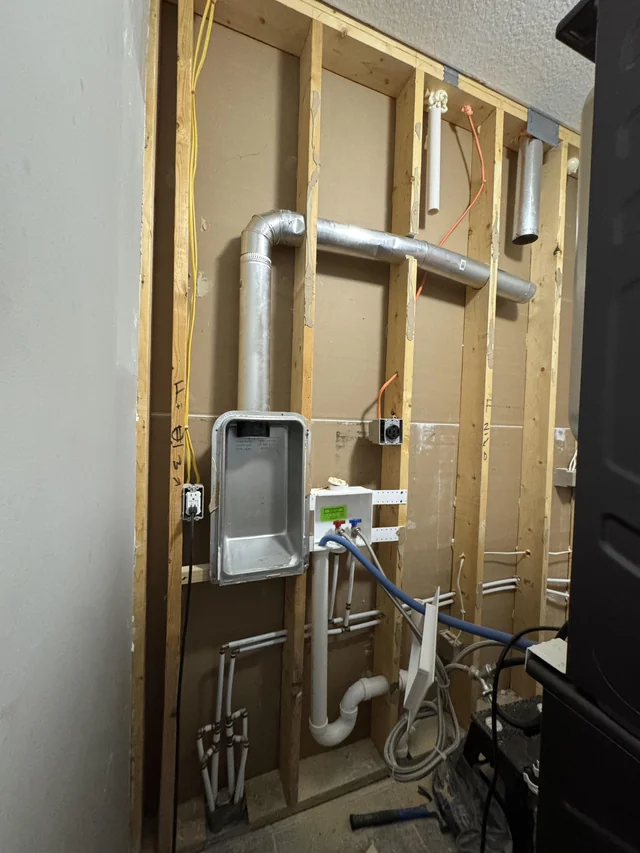
In many newer subdivisions, laundry rooms are placed in convenient indoor locations: upstairs, near bedrooms, in hallways, or away from exterior walls. That is convenient for daily life, but it can create longer dryer vent runs.
Some newer homes vent through the roof. Others use longer horizontal duct paths before reaching the exterior. These designs can work well when maintained, but they can also collect lint in areas homeowners cannot easily see.
For these homes, professional dryer vent cleaning helps restore airflow through the full vent path—not just the area behind the dryer.
Multi-Story Homes & Larger Properties
Common in: Granite Bay, El Dorado Hills, Folsom, Rocklin, Roseville, Lincoln, Rancho Murieta
Larger homes often have more complex layouts. Laundry rooms may be upstairs, inside interior rooms, or far from an exterior wall.
That can create venting challenges.
Multi-story homes may involve:
- Longer vertical vent runs
- Roof exits
- More bends in the duct
- Harder-to-access exterior vent points
- Higher laundry volume from larger households
These homes often benefit from a more consistent dryer vent maintenance schedule because the system has to work harder to move air efficiently.
High-Usage Households
Common in: every city and community
Some dryer vent risk has less to do with where the home is located and more to do with how the home is used.
High-usage households include:
- Families with children
- Multi-generational households
- Homes with pets
- Rental properties
- Airbnb or short-term rental properties
- Apartment units
- Households that wash towels, bedding, uniforms, or work clothes frequently
More laundry means more lint. More lint means faster buildup.
Even a short, simple dryer vent can become restricted if the dryer is used heavily and the vent is not cleaned regularly.
Find Your Dryer Vent Risk Level
Use this simple guide to estimate your risk level.
| Risk Level | Common Property Type | Dryer Vent Factors | Suggested Cleaning Frequency |
|---|---|---|---|
| Low | Smaller home, short vent run, light laundry use | Dryer vents directly outside with few turns | Every 12–18 months |
| Moderate | Typical suburban home, family use, average vent length | Some turns, moderate laundry volume | Every 9–12 months |
| High | Multi-story home, long vent run, rental or large household | Roof venting, long duct path, heavy use | Every 6–9 months |
| Unknown | Recently purchased home or unclear service history | No record of last cleaning | Schedule an evaluation/cleaning |
How Often Should You Clean Your Dryer Vent? By Risk Level
A general rule of thumb is that most homes should have dryer vents cleaned about once a year. But the right schedule depends on vent length, home layout, dryer usage, and warning signs.
Low-Risk Homes: Every 12–18 Months
A low-risk home usually has a short, simple vent run.
This may apply when:
- The dryer sits close to an exterior wall
- The vent path is short and mostly straight
- Laundry use is light
- There are no warning signs
- The exterior vent has strong airflow
Even in low-risk homes, lint still builds up over time. Cleaning every 12–18 months helps keep the system from becoming a problem later.
Moderate-Risk Homes: Every 9–12 Months
Most Sacramento-area homes fall into the moderate category.
This includes standard suburban homes where the dryer vent has some length, a few bends, and regular family use.
A moderate schedule is appropriate when:
- The household does laundry several times per week
- The laundry room is not directly against an exterior wall
- The dryer sometimes needs longer cycles
- There are pets in the home
- The home is part of a rental or property management portfolio
For many homeowners, annual dryer vent cleaning is the easiest maintenance rhythm to remember.
High-Risk Homes: Every 6–9 Months
High-risk homes should be more proactive.
This may include:
- Multi-story homes
- Homes with roof-exit dryer vents
- Long or complex vent runs
- Large families
- Rental properties
- Homes with pets
- Properties where towels, bedding, uniforms, or heavy fabrics are dried frequently
- Any home showing signs of overheating, burning smells, or poor airflow
In these cases, waiting too long can reduce efficiency and increase safety concerns.
City-by-City Dryer Vent Cleaning Guide
Every community in the Greater Sacramento area has different housing patterns. Some areas are filled with older homes and mature neighborhoods. Others have newer subdivisions, large multi-story houses, rental properties, or semi-rural homes with mixed construction styles.
Use the guide below to find your city and understand what may make dryer vent cleaning especially important in your area.
Sacramento & Land Park
Sacramento has one of the most varied housing mixes in the region. Depending on the neighborhood, homes may be older, remodeled, compact, multi-unit, or part of a dense residential-commercial corridor.
Land Park in particular is known for established homes and mature residential character. In older Sacramento homes, laundry areas may not always be located in the most efficient venting position. Some homes have vents that were adapted during remodels, additions, or appliance upgrades.
That can create longer vent paths, tighter spaces behind dryers, or vent systems that are not as straightforward as newer builds.
Common dryer vent concerns in Sacramento and Land Park include:
- Older vent materials
- Laundry rooms added or moved during remodels
- Tighter utility spaces
- Vent paths with bends or hidden restrictions
- Rental or multi-unit properties with heavier use
Risk level: Moderate to High
Recommended cleaning frequency: Every 9–12 months for most homes; every 6–9 months for rental, multi-unit, or high-use properties.
Find your city page: View Sacramento dryer vent cleaning services.
Find your city page: View Land Park dryer vent cleaning services.
Elk Grove
Elk Grove has a large amount of newer suburban housing, especially in areas with planned communities, larger family homes, and modern layouts.
Newer homes can still have dryer vent challenges. In fact, laundry rooms in newer homes are often placed for convenience rather than vent simplicity. They may be upstairs, near bedrooms, or set deeper inside the home.
That can mean longer duct runs, roof exits, or hidden vent paths that homeowners cannot easily inspect.
Common dryer vent concerns in Elk Grove include:
- Newer homes with longer duct routing
- Roof or upper-level vent exits
- Large family households with frequent laundry
- Pet hair and lint buildup
- Suburban homes where dryer use is heavy year-round
Risk level: Moderate
Recommended cleaning frequency: Every 9–12 months for most homes; every 6–9 months for large families or long vent runs.
Find your city page: View Elk Grove dryer vent cleaning services.
Roseville & Rocklin
Roseville and Rocklin include a mix of newer homes, established neighborhoods, growing subdivisions, townhomes, apartments, and larger properties.
In newer Placer County neighborhoods, dryer vents may be longer or more complex than expected. In established areas, vent systems may be older or modified. Larger homes may also have laundry rooms located away from exterior walls.
These cities are also strong family markets, which often means frequent laundry use.
Common dryer vent concerns in Roseville and Rocklin include:
- Longer dryer vent runs in newer homes
- Multi-story layouts
- Larger households
- Apartment and rental units
- Mixed vent designs depending on home age
Risk level: Moderate
Recommended cleaning frequency: Every 9–12 months for most homes; every 6–9 months for multi-story or high-use households.
Find your city page: View Roseville dryer vent cleaning services.
Find your city page: View Rocklin dryer vent cleaning services.
Arden-Arcade & Carmichael
Arden-Arcade and Carmichael include many established homes, older neighborhoods, and properties that may have gone through multiple remodels over the years.
Older homes can be more likely to have less efficient vent routing, aging duct components, or laundry spaces that were not designed around modern appliance performance.
Carmichael and Arden-Arcade also include rental properties, duplexes, and homes with long-term owners who may not know when the dryer vent was last cleaned.
Common dryer vent concerns in Arden-Arcade and Carmichael include:
- Older or modified vent systems
- Tight laundry spaces
- Longer vent runs created by remodels
- Deferred maintenance
- High-use family homes
- Rental and multi-unit properties
Risk level: High
Recommended cleaning frequency: Every 9–12 months for most homes; every 6–9 months for older, rental, or heavily used properties.
Find your city page: View Arden-Arcade dryer vent cleaning services.
Find your city page: View Carmichael dryer vent cleaning services.
Citrus Heights & Antelope
Citrus Heights and Antelope are primarily suburban communities with a mix of older homes, standard family homes, and newer developments.
Dryer vent risk here is often moderate. Many homes have fairly standard layouts, but usage can be high in family households. Antelope’s newer suburban housing may include longer vent routing, while Citrus Heights may include older homes with more varied vent conditions.
Common dryer vent concerns in Citrus Heights and Antelope include:
- Standard suburban laundry use
- Mixed home ages
- Family households with frequent drying cycles
- Pet hair and lint accumulation
- Some homes with older or less efficient vent setups
Risk level: Moderate
Recommended cleaning frequency: Every 9–12 months for most homes.
Find your city page: View Citrus Heights dryer vent cleaning services.
Find your city page: View Antelope dryer vent cleaning services.
Folsom & White Rock
Folsom and White Rock include a mix of newer homes, larger properties, and neighborhoods with multi-story layouts.
In larger homes, dryer vents are often longer and more complex. Laundry rooms may be upstairs, near bedrooms, or routed through the roof. That convenience can make the system more vulnerable to lint buildup in places homeowners cannot see.
Folsom also includes higher-expectation homeowners who tend to prioritize preventative maintenance and property care.
Common dryer vent concerns in Folsom and White Rock include:
- Multi-story homes
- Longer vertical vent runs
- Roof-exit dryer vents
- Larger households
- High-performance expectations from appliances
- Hidden lint buildup in longer ducts
Risk level: Moderate to High
Recommended cleaning frequency: Every 9–12 months for most homes; every 6–9 months for larger homes, roof vents, or frequent laundry use.
Find your city page: View Folsom dryer vent cleaning services.
Find your city page: View White Rock dryer vent cleaning services.
Rancho Cordova & Mather
Rancho Cordova and Mather include a blend of residential neighborhoods, newer development, rental properties, and commercial or mixed-use areas.
Dryer vent cleaning needs can vary widely here. Some homes have straightforward layouts, while others may have longer vent runs or systems affected by age, remodels, or rental turnover.
Rental properties deserve extra attention because dryer usage may be heavier and maintenance history may be less predictable.
Common dryer vent concerns in Rancho Cordova and Mather include:
- Mixed home ages
- Rental and turnover properties
- Variable maintenance history
- Newer development with longer vent routing
- Commercial or multi-unit laundry use in some properties
Risk level: Moderate
Recommended cleaning frequency: Every 9–12 months for owner-occupied homes; every 6–9 months for rentals or heavier-use properties.
Find your city page: View Rancho Cordova dryer vent cleaning services.
Find your city page: View Mather dryer vent cleaning services.
North Highlands
North Highlands has many established homes and rental properties. In areas with older housing stock or higher turnover, dryer vent cleaning can be especially important because maintenance history is not always clear.
A dryer vent may go years without professional cleaning if each occupant assumes someone else handled it before.
That makes North Highlands a strong candidate for “reset” maintenance: clean the dryer vent, verify airflow, and get the property onto a predictable schedule.
Common dryer vent concerns in North Highlands include:
- Older homes
- Rental turnover
- Deferred maintenance
- Unknown cleaning history
- High-use households
- Standard vent systems that may not have been serviced recently
Risk level: High
Recommended cleaning frequency: Every 9–12 months for most homes; every 6–9 months for rentals or heavy-use households.
Find your city page: View North Highlands dryer vent cleaning services.
Lincoln
Lincoln has seen significant suburban growth, with many newer homes, larger family properties, and expanding neighborhoods.
Newer homes can still need dryer vent cleaning regularly, especially when laundry rooms are placed away from exterior walls. Many modern floor plans prioritize convenience, which can create longer dryer vent paths.
In family-heavy neighborhoods, laundry volume also tends to be higher.
Common dryer vent concerns in Lincoln include:
- Newer construction with longer vent routing
- Family households
- Multi-story layouts
- Roof-exit vents
- High appliance use
- Suburban homes with heavy laundry routines
Risk level: Moderate
Recommended cleaning frequency: Every 9–12 months for most homes; every 6–9 months for larger households.
Find your city page: View Lincoln dryer vent cleaning services.
El Dorado Hills & Franciscan Village
El Dorado Hills and Franciscan Village include larger homes, foothill properties, and custom layouts. Many homes in this area are larger than average, which can make dryer vent systems more complex.
Laundry rooms may be upstairs, set into interior spaces, or routed through longer duct paths. Larger households and larger appliances can also mean more lint moving through the system.
In luxury or custom homes, dryer vent cleaning is often part of protecting appliance performance and keeping the property maintained at a higher standard.
Common dryer vent concerns in El Dorado Hills and Franciscan Village include:
- Large homes
- Multi-story layouts
- Custom vent routing
- Longer duct paths
- Roof venting
- High-use laundry rooms
- Higher expectations for appliance performance
Risk level: Moderate to High
Recommended cleaning frequency: Every 9–12 months for most homes; every 6–9 months for large, multi-story, or high-use properties.
Find your city page: View El Dorado Hills dryer vent cleaning services.
ind your city page: View Franciscan Village dryer vent cleaning services.
Vineyard
Vineyard is a suburban Sacramento-area community with newer homes, growing residential areas, and family-oriented neighborhoods.
Dryer vent risk in Vineyard is usually tied to modern home layout and household usage. Newer homes may have convenient laundry locations that create longer duct runs, while busy households can produce more lint faster.
Common dryer vent concerns in Vineyard include:
- Newer suburban homes
- Family laundry volume
- Longer vent routing in modern layouts
- Roof or side-wall vent exits
- Unknown cleaning schedules in newer resale homes
Risk level: Moderate
Recommended cleaning frequency: Every 9–12 months for most homes.
Find your city page: View Vineyard dryer vent cleaning services.
Orangevale
Orangevale blends suburban living with a semi-rural feel. Homes vary widely, from older properties to larger lots, ranch-style homes, and custom layouts.
Because Orangevale homes are not all built the same way, dryer vent systems may vary quite a bit. Some homes may have short, simple vent runs. Others may have laundry rooms added or modified over time.
For homeowners in Orangevale, the main issue is not assuming the vent system is simple just because the property feels residential or low-density.
Common dryer vent concerns in Orangevale include:
- Mixed home ages
- Semi-rural properties
- Custom or modified layouts
- Older laundry spaces
- High-use family homes
- Vents affected by remodeling or additions
Risk level: Moderate
Recommended cleaning frequency: Every 9–12 months for most homes; every 6–9 months if the home has a long vent run or heavy laundry use.
Find your city page: View Orangevale dryer vent cleaning services.
Fair Oaks & Gold River
Fair Oaks and Gold River are established, highly desirable communities with many well-maintained homes.
Fair Oaks includes older homes, mature neighborhoods, and properties with varied layouts. Gold River includes planned neighborhoods where maintenance expectations are often high.
Dryer vent issues in these communities often come down to home age, layout, and usage. Larger or older homes may have vent paths that require more attention.
Common dryer vent concerns in Fair Oaks and Gold River include:
- Older or established homes
- Larger properties
- High-use households
- Remodel-related vent routing
- Planned communities with strong maintenance expectations
- Some multi-story homes
Risk level: Moderate to High
Recommended cleaning frequency: Every 9–12 months for most homes; every 6–9 months for older homes or complex vent systems.
Find your city page: View Fair Oaks dryer vent cleaning services.
Find your city page: View Gold River dryer vent cleaning services.
Rosemont
Rosemont is an established suburban Sacramento-area community with many standard residential layouts.
Dryer vent cleaning needs here are often straightforward but still important. Homes with older systems, high laundry use, or unknown service history should not wait until the dryer starts struggling.
Because Rosemont has many established homes, homeowners may benefit from getting the dryer vent cleaned and then placing it on an annual schedule.
Common dryer vent concerns in Rosemont include:
- Standard suburban vent systems
- Older homes in some areas
- Family laundry use
- Unknown cleaning history
- Moderate lint buildup over time
Risk level: Moderate
Recommended cleaning frequency: Every 9–12 months for most homes.
Find your city page: View Rosemont dryer vent cleaning services.
Granite Bay
Granite Bay has many larger homes, custom properties, and high-value residences where appliance performance and home maintenance matter.
Dryer vent systems in larger homes may be longer, more vertical, or more difficult to access. Laundry rooms are often positioned for convenience, which may create roof venting or extended duct routes.
For Granite Bay homeowners, dryer vent cleaning is a smart part of routine home care—not just something to schedule when the dryer starts failing.
Common dryer vent concerns in Granite Bay include:
- Large homes
- Custom layouts
- Long vent runs
- Multi-story routing
- Roof-exit dryer vents
- Heavy laundry use in larger households
- Higher appliance performance expectations
Risk level: High
Recommended cleaning frequency: Every 6–9 months for complex systems or heavy use; every 9–12 months for moderate-use homes.
Find your city page: View Granite Bay dryer vent cleaning services.
Cameron Park, Shingle Springs, & Rescue
Cameron Park, Shingle Springs, and Rescue include foothill homes, larger lots, custom properties, and a mix of newer and older construction.
Because homes in these areas can vary so much, dryer vent design is not always predictable. Some homes may have simple venting. Others may have more complex routes based on additions, slopes, crawlspaces, or custom layouts.
Foothill properties also tend to have more varied home designs than standard suburban neighborhoods.
Common dryer vent concerns in Cameron Park, Shingle Springs, and Rescue include:
- Custom home layouts
- Mixed home ages
- Longer vent routes
- Laundry rooms located away from exterior walls
- Higher use in larger households
- Harder-to-access vent exits
Risk level: Moderate to High
Recommended cleaning frequency: Every 9–12 months for most homes; every 6–9 months for complex layouts or heavy use.
Find your city page: View Cameron Park dryer vent cleaning services.
Find your city page: View Shingle Springs dryer vent cleaning services.
Find your city page: View Rescue dryer vent cleaning services.
Rio Linda
Rio Linda has a more rural and open-property feel than many Sacramento-area suburbs. Homes may include older structures, larger lots, outbuildings, and varied layouts.
Because properties are less uniform, dryer vent systems may differ widely from home to home. Some vents may be short and simple. Others may be improvised, modified, or affected by older construction.
For Rio Linda homeowners, the biggest dryer vent concern is not knowing what the system looks like or when it was last cleaned.
Common dryer vent concerns in Rio Linda include:
- Older homes
- Rural or semi-rural layouts
- Mixed construction styles
- Outbuildings or accessory spaces
- Unknown maintenance history
- Longer or less standard vent paths
Risk level: Moderate
Recommended cleaning frequency: Every 9–12 months for most homes; sooner if the dryer shows warning signs.
Find your city page: View Rio Linda dryer vent cleaning services.
Auburn
Auburn includes historic homes, foothill properties, sloped lots, and a mix of older and newer housing.
Older homes and custom foothill layouts may create dryer vent systems that are less direct than those in newer subdivisions. Laundry areas may be placed where space allows, not necessarily where venting is simplest.
Auburn homeowners should be especially aware of airflow problems if their dryer vent exits through a roof, crawlspace route, or long duct path.
Common dryer vent concerns in Auburn include:
- Older homes
- Foothill layouts
- Remodel-related vent changes
- Long or indirect vent paths
- Larger properties
- Unknown service history
Risk level: Moderate to High
Recommended cleaning frequency: Every 9–12 months for most homes; every 6–9 months for long vent runs or high-use households.
Find your city page: View Auburn dryer vent cleaning services.
Diamond Springs & Placerville
Diamond Springs and Placerville include foothill homes, older properties, historic structures, and homes built around varied terrain.
In these communities, dryer vent systems may not always follow the clean, simple patterns found in newer suburbs. Older construction, additions, remodels, and sloped lots can all affect vent routing.
For homeowners in Placerville and Diamond Springs, dryer vent cleaning is especially valuable when the home’s maintenance history is unclear.
Common dryer vent concerns in Diamond Springs and Placerville include:
- Older homes
- Historic or modified structures
- Custom vent routing
- Long duct paths
- Sloped property layouts
- High-use family homes
- Unknown cleaning history
Risk level: Moderate to High
Recommended cleaning frequency: Every 9–12 months for most homes; every 6–9 months for older homes, rentals, or complex systems.
Find your city page: View Diamond Springs dryer vent cleaning services.
Find your city page: View Placerville dryer vent cleaning services.
Rancho Murieta
Rancho Murieta is a planned, well-maintained community where many homeowners prioritize property condition and preventative maintenance.
Dryer vent issues here are often tied to household use, home size, and laundry room placement. Larger homes or homes with interior laundry rooms may have longer vent routes that require regular cleaning.
Common dryer vent concerns in Rancho Murieta include:
- Larger homes
- Planned residential layouts
- Interior laundry rooms
- Moderate to heavy appliance use
- Higher expectations for home maintenance
- Some longer duct paths
Risk level: Moderate
Recommended cleaning frequency: Every 9–12 months for most homes; every 6–9 months for larger households or complex systems.
Find your city page: View Rancho Murieta dryer vent cleaning services.
Newcastle, Penryn, & Loomis
Newcastle, Penryn, and Loomis include semi-rural properties, custom homes, agricultural influence, larger lots, and mixed construction styles.
Homes in these communities are often less standardized than typical subdivision homes. That means dryer vent systems can vary dramatically depending on when the home was built, whether additions were made, and where the laundry area is located.
For these communities, dryer vent cleaning should be treated as part of whole-property maintenance.
Common dryer vent concerns in Newcastle, Penryn, and Loomis include:
- Semi-rural homes
- Custom layouts
- Larger properties
- Mixed home ages
- Non-standard vent paths
- Laundry rooms in garages, additions, or utility spaces
- Unknown vent cleaning history
Risk level: Moderate to High
Recommended cleaning frequency: Every 9–12 months for most homes; every 6–9 months for long vent runs, older homes, or heavy laundry use.
Find your city page: View Newcastle, Penryn, and Loomis dryer vent cleaning services.
Signs Your Dryer Vent May Be Clogged or Unsafe
Dryer vent problems usually build slowly. That is why homeowners often miss the warning signs until the dryer starts performing poorly.
The sooner you recognize these symptoms, the easier it is to address the issue before it becomes more serious.
Clothes Take Longer to Dry
This is the most common sign of a clogged dryer vent.
If clothes that used to dry in one cycle now need two, airflow may be restricted. The dryer is still producing heat, but the hot, moist air is not escaping efficiently.
Watch for:
- Towels staying damp
- Jeans taking multiple cycles
- Bedding drying unevenly
- Loads that feel warm but not fully dry
The Dryer Feels Hot to the Touch
A dryer will naturally get warm, but it should not feel excessively hot.
If the dryer cabinet, laundry room, or clothes feel unusually hot, the system may not be venting heat properly.
This is especially important if the dryer is running longer than normal at the same time.
You Notice a Burning Smell
A burning smell should always be taken seriously.
It may come from lint buildup, overheating, or another appliance issue. If you smell burning while the dryer is running, stop using the dryer and schedule service.
Excess Lint Is Building Up
Lint outside the lint trap can indicate airflow problems.
Pay attention to lint collecting:
- Behind the dryer
- Around the vent connection
- Near the exterior vent
- Around the laundry room
- On clothing after drying
The Exterior Vent Is Not Expelling Air
When the dryer is running, the exterior vent should push air out with noticeable force.
If the airflow is weak, inconsistent, or blocked, the vent line may be clogged.
A professional cleaning can help clear the system from the dryer connection through the exterior exit.
Symptom → Risk Level Guide
| Symptom | What It May Mean | Risk Level |
|---|---|---|
| Clothes need a second cycle | Airflow restriction | Moderate |
| Dryer feels very hot | Heat is not escaping efficiently | Moderate to High |
| Burning smell | Possible overheating or lint issue | High |
| Weak exterior airflow | Clogged or blocked vent | Moderate to High |
| Lint around dryer or vent | Vent system may be backing up | Moderate |
| Unknown last cleaning date | Maintenance gap | Moderate |
Why Dryer Vent Cleaning Is a Safety Issue, Not Just Maintenance
Dryer vent cleaning is often framed as an appliance performance service, and it is. But the safety side matters even more.
Fire Risk from Lint Buildup
Lint is highly flammable. When it builds up inside a dryer vent, it can create a dangerous combination: restricted airflow, trapped heat, and combustible material.
Professional dryer vent cleaning helps remove built-up lint from the vent system so heat and moisture can exit the home more effectively.
Reduced Airflow & Heat Retention
A dryer depends on airflow.
When the vent is restricted, the dryer has to work harder to push air through the system. That extra strain can lead to longer drying times, hotter cycles, and reduced efficiency.
In many cases, homeowners think the dryer is wearing out when the real issue is airflow.
Increased Wear on Your Dryer
When a dryer has to run longer, it experiences more wear.
That can affect:
- Heating elements
- Sensors
- Belts
- Motors
- Internal components
- Energy usage
Cleaning the dryer vent can help the appliance work closer to the way it was designed to work.
Why Homeowners Bundle Dryer Vent Cleaning with Other Services
Dryer vent cleaning fits naturally into a broader home maintenance plan.
Sierra Vista Maintenance offers a wide range of services for Sacramento-area homeowners and businesses, including dryer vent cleaning, HVAC air duct cleaning, chimney cleaning, gutter cleaning, pressure washing, window cleaning, roof cleaning, solar panel cleaning, and more.
That makes bundling especially useful for homeowners who want to handle several maintenance tasks in one appointment.
Energy & Safety Bundle
A smart combination for many homeowners is:
- Dryer vent cleaning
- HVAC air duct cleaning
- Chimney cleaning
This bundle focuses on airflow, ventilation, safety, and indoor comfort.
Exterior Maintenance Bundle
For seasonal property care, homeowners may also combine:
- Dryer vent cleaning
- Window cleaning
- Gutter cleaning
- Pressure washing
- Solar panel cleaning
This works well before major seasonal changes, before hosting guests, or when preparing a home for sale.
Why Bundling Makes Sense
Bundling can help homeowners:
- Reduce scheduling hassle
- Address hidden maintenance issues
- Improve home safety
- Improve performance of key systems
- Keep the property better maintained year-round
- Work with one trusted team instead of multiple vendors
How to Choose the Right Dryer Vent Cleaning Schedule
The right schedule depends on how your home is built and how often your dryer is used.
Household Size
The more people in the home, the more laundry cycles you are likely running.
A one- or two-person household may be fine with annual cleaning. A larger family may need service more often.
Dryer Usage Frequency
A dryer used once or twice a week is very different from one used daily.
High-use homes should shorten the maintenance window, especially if drying times are already increasing.
Home Layout
Vent layout matters.
A short, straight vent is lower risk. A long vent with multiple bends, vertical routing, or a roof exit requires more attention.
Age of System
Older systems may have more buildup, less efficient ducting, or outdated materials.
If you do not know the age or cleaning history of your dryer vent, it is smart to schedule cleaning and create a new baseline.
Build Your Dryer Vent Maintenance Plan
Use this simple plan:
- Identify your home type
Older home, newer suburban home, multi-story home, rental, custom foothill home, or larger property. - Estimate dryer use
Light, moderate, or heavy. - Watch for symptoms
Slow drying, heat, burning smell, lint buildup, or weak airflow. - Choose your schedule
Low risk: every 12–18 months. Moderate risk: every 9–12 months. High risk: every 6–9 months. - Reassess after cleaning
If performance improves noticeably, keep the schedule consistent.
Explore Your City
Looking for dryer vent cleaning information specific to your community?
Use the city list below to find your local page and learn more about dryer vent cleaning services in your area.
- Sacramento
- Elk Grove
- Roseville
- Arden-Arcade
- Citrus Heights
- Folsom & White Rock
- Carmichael
- Rancho Cordova
- Rocklin
- North Highlands
- Antelope
- Lincoln
- El Dorado Hills & Franciscan Village
- Vineyard
- Orangevale
- Fair Oaks & Gold River
- Rosemont
- Granite Bay
- Cameron Park, Shingle Springs, & Rescue
- Rio Linda
- Auburn
- Diamond Springs & Placerville
- Land Park
- Rancho Murieta
- Mather
- Newcastle, Penryn, & Loomis
Frequently Asked Questions About Dryer Vent Cleaning
How often should dryer vents be cleaned?
Most homes should have the dryer vent cleaned about once a year. Homes with long vent runs, roof exits, large households, pets, rental use, or heavy laundry needs may benefit from cleaning every 6–9 months.
What are the signs of a clogged dryer vent?
Common signs include clothes taking longer to dry, the dryer getting hot, a burning smell, excess lint around the dryer, weak airflow at the exterior vent, or the laundry room feeling unusually warm.
Can a clogged dryer vent cause a house fire?
Yes. Lint is flammable, and a clogged dryer vent can trap heat inside the system. Professional dryer vent cleaning helps reduce this risk by removing lint buildup and improving airflow.
Does home layout affect dryer vent performance?
Yes. Longer vent runs, roof exits, vertical ducts, and multiple bends can restrict airflow and allow lint to collect more easily. Multi-story homes and homes with interior laundry rooms often need more consistent maintenance.
Are newer homes safer when it comes to dryer vents?
Not always. Newer homes may have modern appliances, but they often place laundry rooms in convenient interior locations. That can create longer duct paths or roof-exit vents that need regular cleaning.
How do I know if my dryer vent is too long?
A vent may be too long or too restricted if clothes take multiple cycles to dry, the dryer overheats, or airflow at the exterior vent feels weak. A professional can evaluate the vent path and clean the system.
Is professional dryer vent cleaning necessary?
For most homes, yes. Cleaning the lint trap is important, but it does not remove lint from the full vent line. Professional dryer vent cleaning addresses the duct system where hidden buildup occurs.
Is dryer vent cleaning only for homeowners?
No. Dryer vent cleaning is also important for rental properties, apartments, property managers, real estate listings, and commercial spaces with laundry equipment.
Should I clean my dryer vent before selling a home?
Yes, it can be a smart pre-listing maintenance step. A clean dryer vent supports safety, appliance performance, and buyer confidence—especially if the home has an older system or unknown maintenance history.
Can dryer vent cleaning improve dryer efficiency?
Often, yes. If lint buildup is restricting airflow, cleaning the vent can help the dryer move air more effectively, reduce drying time, and reduce unnecessary strain on the appliance.


