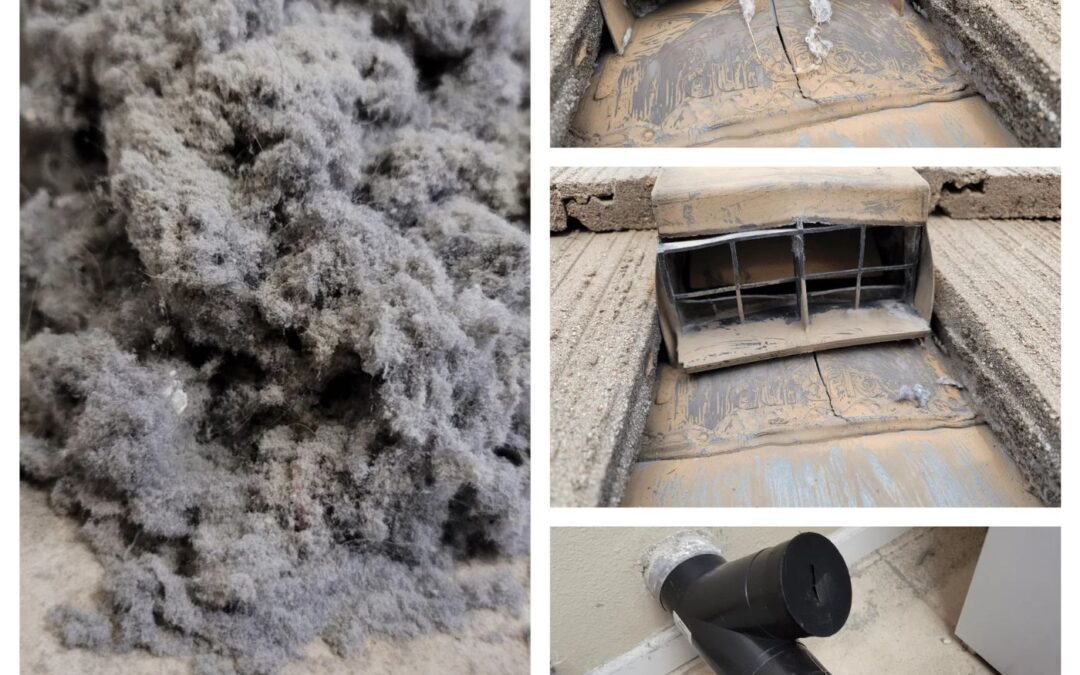
Dryer vents are one of those home components that most homeowners rarely think about—until something goes wrong. But in reality, your dryer vent plays a critical role in your home’s safety, efficiency, and overall maintenance. That’s why you should be aware of how to care for your dryer vent.
At Sierra Vista Maintenance, we regularly see issues caused by neglected dryer vents across the greater Sacramento area. From reduced dryer performance to serious fire hazards, a poorly maintained dryer vent can create problems that are both inconvenient and dangerous.
This guide breaks down everything you need to know: how dryer vents work, why they matter (especially in Sacramento), how to maintain them, and when it’s time to call in a professional.
Why Dryer Vent Maintenance Matters (Especially in Sacramento)
Dryer vent maintenance isn’t just about keeping your dryer running efficiently—it’s a safety issue.
According to the National Fire Protection Association (NFPA), thousands of home fires each year are linked to clothes dryers. The leading cause? Failure to clean the vent system. When lint builds up and restricts airflow, heat gets trapped, and the risk of ignition increases significantly.
This risk is even more relevant for homeowners in the greater Sacramento area.
Here’s why:
- Hot, dry summers regularly push temperatures above 100°F
- Wildfire risk is already elevated across the region
- Dry conditions make lint more flammable
- Overheated appliances are more dangerous in extreme heat
In this kind of climate, something as simple as a clogged dryer vent can become a much bigger issue than homeowners expect.
That’s why regular maintenance isn’t optional—it’s a key part of protecting your home.
How a Dryer Vent System Works
Before diving into maintenance, it helps to understand what you’re actually dealing with.
A typical dryer vent system has three main components:
1. The Transition Hose
This is the flexible or semi-rigid duct that connects your dryer to the wall. It’s often the most accessible—and most commonly clogged—part of the system.
2. The Interior Duct
This is the ductwork that runs through your wall, ceiling, or floor to the exterior of your home. Depending on your home’s layout, this section can be short and simple—or long with multiple turns.
3. The Exterior Vent Cap
This is where air, moisture, and lint exit your home. It typically has a flap that opens when the dryer is running and closes when it’s not.
For Sacramento homeowners, there’s an important additional factor: code compliance.
California requires dryer ducts to:
- Be made of metal with smooth interior walls
- Vent to the outside of the home (not attics or crawlspaces)
- Include a back-draft damper
Long or complex duct runs—common in some Sacramento and Placer County homes—can increase the likelihood of lint buildup and airflow restriction.
How Often Should You Clean Your Dryer Vent?
For most homes, the baseline recommendation is simple:
At least once per year.
However, not every household is the same. Your cleaning schedule should reflect how often you use your dryer and your home’s specific setup.
Recommended Dryer Vent Cleaning Frequency
| Household Type / Condition | Recommended Cleaning Frequency |
|---|---|
| Single person or couple | Every 1–2 years |
| Average family (2–4 people) | Once per year |
| Large family (5+ people) | Every 6 months |
| Homes with pets | Every 6–12 months |
| Long or complex vent systems | Every 6 months |
| Roof-vented systems | Every 6 months |
If you’re doing multiple loads per week—or dealing with long duct runs—it’s better to err on the side of more frequent cleaning.
Warning Signs Your Dryer Vent Needs Immediate Attention
You don’t always have to wait for your annual cleaning. In many cases, your dryer will show clear signs that something isn’t right.
Watch for these red flags:
- Clothes taking multiple cycles to dry
- The dryer or laundry feels unusually hot
- A burning smell during operation
- Excess lint behind the dryer or outside vent
- The exterior vent flap not opening properly
- Increased heat or humidity in the laundry room
- The dryer shutting off mid-cycle
If you notice any of these issues, stop using the dryer until the system has been inspected. Continuing to run it can increase both fire risk and mechanical damage.
Simple Steps to Maintain Your Dryer Vent Between Cleanings
While professional cleaning is important, there are a few simple habits that go a long way in preventing buildup.
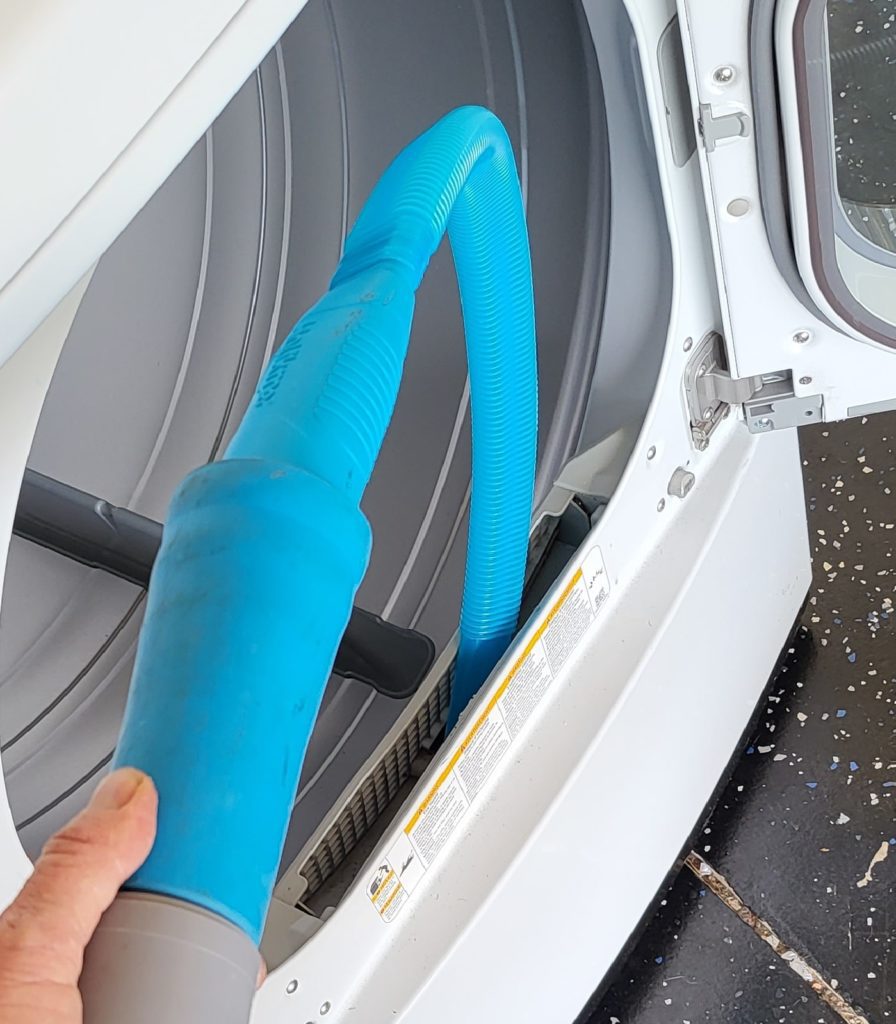
Clean the Lint Trap After Every Load
This is the easiest and most important step. A full lint trap restricts airflow and pushes debris deeper into the vent system.
Check Behind the Dryer Periodically
Lint often accumulates behind the unit, especially if the connection isn’t perfectly sealed.
Inspect the Exterior Vent
Make sure:
- The flap opens when the dryer runs
- There are no visible obstructions
- No lint buildup is blocking airflow
Avoid Overloading the Dryer
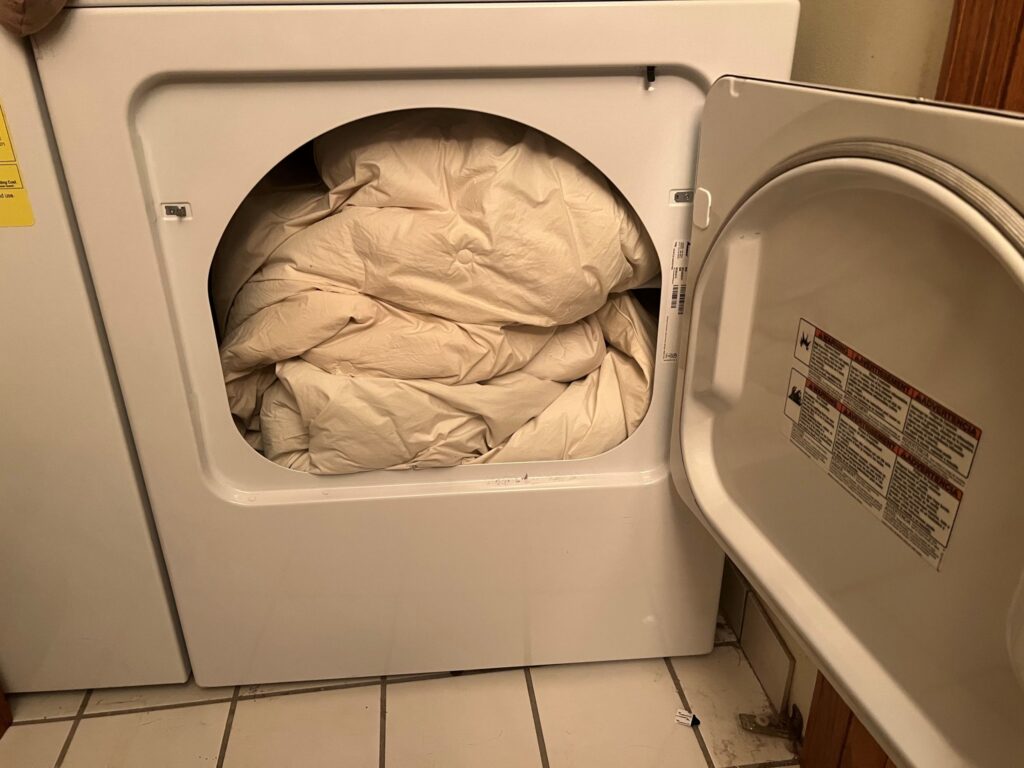
Overloading creates more lint and puts extra strain on the system.
These steps won’t replace a full cleaning—but they will significantly reduce how quickly buildup occurs.
Can You Clean Your Dryer Vent Yourself?
Yes—but only to a certain extent.
Homeowners can handle basic maintenance, especially the accessible parts of the system. This typically includes:
- Disconnecting the dryer
- Vacuuming the transition hose
- Removing visible lint buildup
However, there are limitations.
Long duct runs, tight bends, and hard-to-reach areas are difficult to clean thoroughly without professional tools. Improper cleaning can also damage ductwork or leave buildup behind.
Additionally, working with gas dryers requires extra caution, including shutting off the gas supply before disconnecting anything.
For many homeowners, DIY cleaning works as a short-term solution—but not a complete one.
What a Professional Dryer Vent Cleaning Actually Does
A professional dryer vent cleaning goes beyond what most homeowners can safely or effectively do on their own.
At Sierra Vista Maintenance, a typical service includes:
- Full inspection of the dryer vent system
- Removal of lint buildup from the entire duct run
- Cleaning of the transition hose and exterior vent
- Airflow verification to ensure proper performance
The goal isn’t just to “clean what’s visible”—it’s to restore proper airflow throughout the entire system.
This improves:
- Drying efficiency
- Energy usage
- Appliance lifespan
- Safety
What Happens If You Don’t Clean Your Dryer Vent?
Ignoring your dryer vent might not cause immediate problems—but over time, the risks increase.
What happens if you don’t thoroughly clean your dryer vent?
Minor consequences include reduced dryer efficiency, higher energy bills (because you have to run your dryer longer), and increased wear and tear on your dryer. Bigger consequences include fire risk or potential trapped moisture that turns to mold or mildew.
Here’s what we commonly see:
Reduced Dryer Efficiency
Clogged vents trap heat and moisture, forcing your dryer to run longer cycles.
Higher Energy Bills
Longer cycles mean more energy usage—and higher costs.
Increased Wear and Tear
Your dryer works harder than it should, leading to premature breakdowns.
Moisture Issues
Trapped moisture can lead to mold or mildew inside the duct system.
Fire Risk
This is the biggest concern. Lint is highly flammable, and restricted airflow creates the perfect conditions for overheating.
Dryer Vent Cleaning and Overall Home Maintenance
Dryer vent cleaning is often overlooked—but it fits into a much bigger picture.
In Sacramento homes, especially those dealing with dust, debris, and seasonal changes, it’s smart to think in terms of whole-home maintenance.
Many homeowners choose to bundle services like:
- Dryer vent cleaning
- Gutter cleaning
- House washing
- Roof debris removal
- Window cleaning
- Pressure washing
These services all contribute to a cleaner, safer, and more efficient home—especially in a region with both wildfire risk and heavy seasonal debris.
Why Homeowners in Sacramento Choose Sierra Vista Maintenance
At Sierra Vista Maintenance, we focus on practical, straightforward service that homeowners can rely on.
We are:
- Licensed, bonded, and insured
- Experienced in servicing homes across the greater Sacramento area
- Focused on safe, efficient, and thorough cleaning processes
- Committed to clear communication and dependable service
Whether you’re dealing with a clogged vent or just staying on top of yearly maintenance, our goal is to make the process simple and stress-free.
Schedule Your Dryer Vent Cleaning
If your dryer is taking longer to dry clothes, producing excess heat, or hasn’t been serviced in over a year, it’s time to take a closer look.
A professional dryer vent cleaning is a small investment that can:
- Improve performance
- Reduce energy costs
- Extend the life of your dryer
- Help protect your home from potential hazards
Reach out to Sierra Vista Maintenance today to request a free estimate and keep your home running safely and efficiently.
FAQ: How to Care for Your Dryer Vent (Sacramento-area Homeowners)
How often should I clean my dryer vent?
Most homes should have their dryer vent cleaned at least once a year. Homes with heavy usage, pets, or long duct runs may need cleaning every 6 months.
What are the biggest signs my dryer vent is clogged?
Common signs include longer drying times, excessive heat, a burning smell, and visible lint buildup around the vent or dryer.
Is dryer vent cleaning really necessary if I clean the lint trap?
Yes. The lint trap only captures part of the debris. Over time, lint still accumulates inside the duct system and needs to be removed.
Can a clogged dryer vent really cause a fire?
Yes. Lint is highly flammable, and restricted airflow can cause the dryer to overheat. This combination is a leading cause of dryer-related house fires.
How long does a professional dryer vent cleaning take?
Most standard cleanings can be completed within a short service window, depending on the length and complexity of the vent system.


