
Sacramento summers are hot, dry, and relentless. With temperatures soaring over 100°F, it doesn’t take long for even the most beautiful homes to look like they’ve been forgotten. Dust clings to siding, windows lose their sparkle, and driveways wear a faded haze of exhaust and heat-stained grime.
But it’s not about being careless—many Sacramento-area homeowners simply don’t have the time to keep up with how fast summer grime accumulates. If you take pride in your home but want to spend your weekends living (not scrubbing), this guide will show you what’s causing the mess—and what you can do about it.
Table of Contents
Heat and UV Exposure: How Summer Sun Damages Curb Appeal
It’s not just dirt that builds up in summer—the Sacramento sun bakes your home every day. South- and west-facing walls take the brunt of this exposure, resulting in faded paint, brittle siding, and warped trim. Oxidation can cause vinyl and stucco to lose color, becoming chalky to the touch.
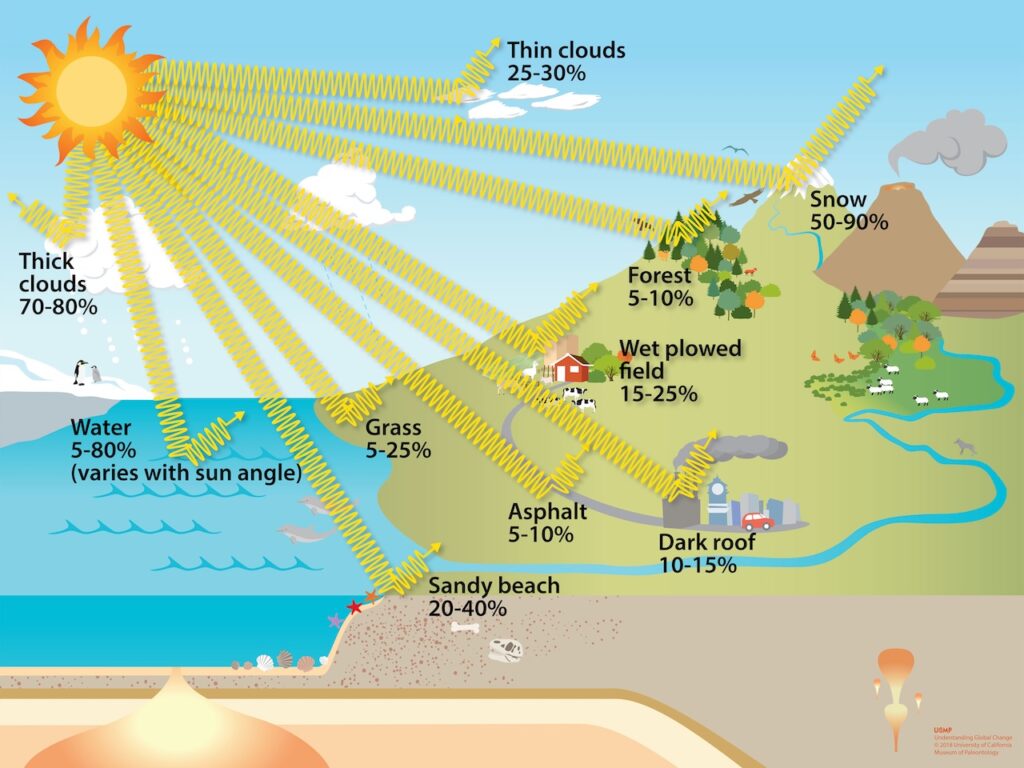
And when dust or bird droppings land on these sunbaked surfaces? They bond. Over time, this grime doesn’t just look bad—it eats away at surfaces.
A professional exterior house wash using low-pressure water and soft-brush agitation can safely remove this buildup without causing further wear. This service doesn’t just make things look better; it protects your home’s exterior from irreversible sun damage.
1. Paint Fading and Oxidation on Siding and Trim
Sacramento’s dry summer heat and high UV index rapidly degrade exterior paint, especially on homes with south- or west-facing exposure. UV rays break down paint binders, causing color fading, chalking, and a dull, dusty appearance. This is especially common on stucco and fiber cement siding.
Preventive Insight: Regular exterior house wash services not only remove accumulated dust that accelerates oxidation but can also reveal early signs of paint failure—before it becomes a costly repainting job.
2. Dry Rot and Heat-Driven Moisture Traps
While it seems contradictory, dry rot often starts in areas where heat bakes moisture into shaded trim or siding, like under eaves or behind plants that hold water against the home. In Sacramento’s 100°F+ summers, this issue accelerates—especially if spring rains were heavy.
Homeowner Tip: A summer grime wash can help expose signs of cracked caulking, moisture staining, or spongy wood early—letting homeowners repair it before fall moisture worsens the damage.
3. Window Seal Deterioration and Cloudiness
Prolonged heat causes windows to expand and contract, stressing the seal around double- or triple-pane glass. As seals weaken, air and moisture seep in, resulting in cloudy glass and reduced energy efficiency.
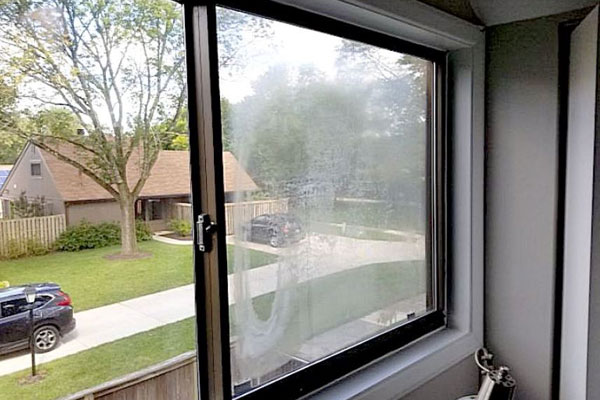
What Helps: Routine window cleaning services remove buildup that hides these issues and allows homeowners to schedule re-sealing or replacements before the problem spreads.
4. Warping and Cracking of Vinyl Siding and Trim
In neighborhoods like Natomas or Rancho Cordova—where vinyl siding is popular—summer temperatures often cause siding to warp, buckle, or pull away from the home. Prolonged UV exposure breaks down the vinyl’s plasticizers, making it brittle over time.
Solution: Gentle siding cleaning services (using soft-brush agitation and low-pressure rinse) help maintain siding without stressing the material—unlike power washing, which may worsen damage in heat-weakened spots.
5. Power Bill Spike from Dirty Windows and Walls
It’s not just curb appeal—summer grime buildup increases your utility bills. Dirty windows reduce natural daylight, causing residents to rely more on artificial lighting. Plus, dusty or heat-stressed siding traps warmth inside, forcing your HVAC to work harder.
Sacramento-Specific Tip: Homes in Folsom, Elk Grove, and Citrus Heights often face high utility costs in summer. Clean windows and siding help reduce solar heat gain, giving your HVAC system a break.
6. Melting or Discoloration of Exterior Decor and Fixtures
Many Sacramento homeowners install vinyl shutters, light-colored patio furniture, or resin-based planters—all vulnerable to warping, yellowing, or cracking under extended sun exposure. This visual damage can make even well-kept homes look neglected.
Maintenance Advice: A professional summer clean can remove dust and airborne grime that accelerates UV degradation—and gives you a chance to inspect outdoor fixtures before replacements are needed.
Sunbaked Patios and Decks: Where Summer Grime Takes Root
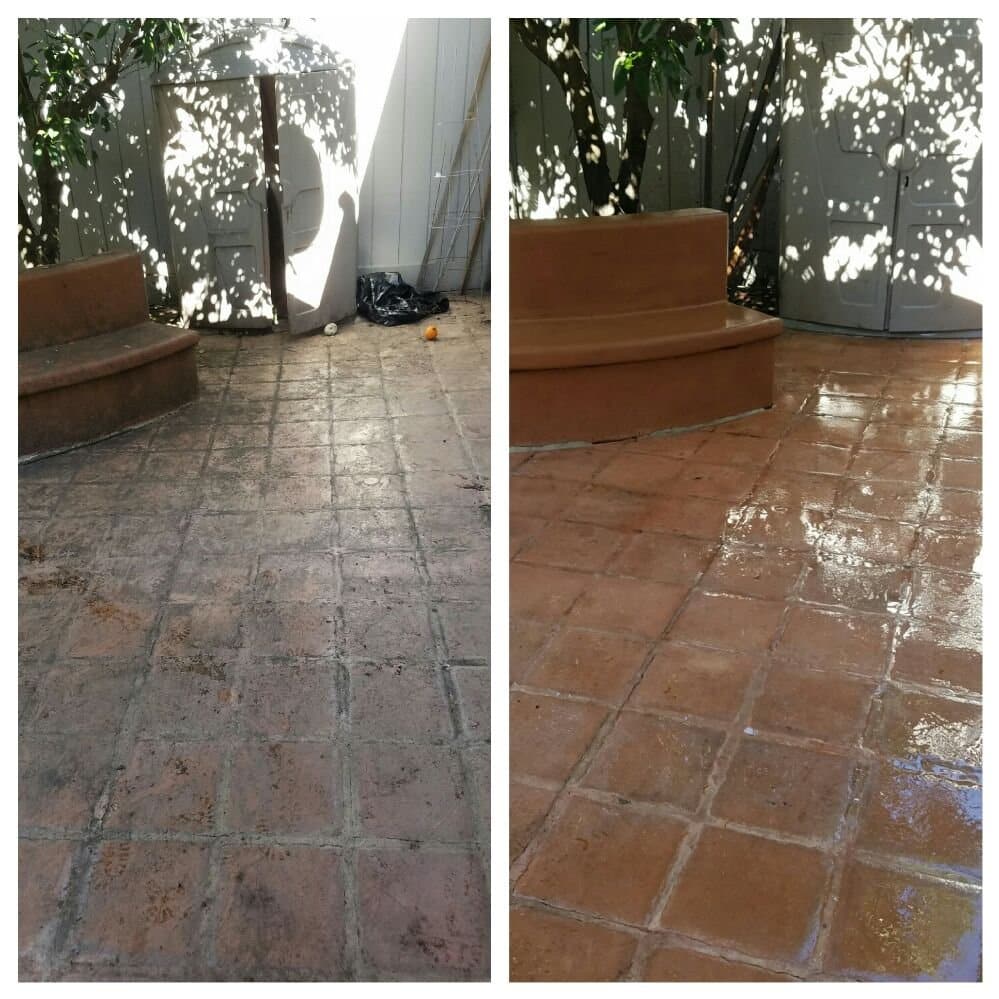
Summers in the Sacramento Valley are dry, dusty, and unrelenting—especially on patios and decks. As the sun beats down day after day, outdoor surfaces become a magnet for all kinds of grime. Dust settles into concrete pores. Pollen coats wood grain. Leftover grease from grilling seeps into cracks and bakes in for good.
Even though rain is rare in summer, shaded patios and decks near planters or fences often develop slippery mildew patches. And when pollen mixes with morning dew or irrigation spray, it creates a tacky residue that sticks around long after allergy season ends.
The result? Outdoor areas look neglected, feel dirty underfoot, and contribute to the overall perception that a home isn’t well cared for—especially when entertaining guests or prepping for a home sale.
Cleaning Tips:
- Use soft-bristle brooms to sweep dust weekly.
- Avoid high-pressure washing on wood or composite decking—gentle agitation and rinse cycles are better.
- If grime persists, a seasonal professional clean using low-pressure, surface-safe methods can help restore color and texture without damaging the materials.
These methods are especially useful for homes with porous concrete, older redwood decks, or composite materials that show staining easily.
Solar Panels and the Summer Dust Blanket: How Heat Hurts Efficiency
Many homeowners in areas like Roseville, Folsom, and Elk Grove rely heavily on solar during Sacramento’s 100°F+ summer months—but those scorching rays are less helpful when panels are covered in a layer of grime.
Studies show that pollen, wildfire ash, and bird droppings can reduce solar efficiency by 15% to 25%, especially when left to bake into the glass over time. Summer is also when pollen and airborne dust are at their worst, meaning daily exposure with almost no natural rinsing from rainfall.
One often-overlooked issue: hard water. According to PortableWaterDI.com, using tap water to rinse solar panels can actually leave behind mineral deposits that interfere with energy absorption—making the cleaning effort counterproductive.
Cleaning Recommendations:
- Stick to deionized (purified) water for a streak-free rinse.
- Avoid pressure washing or abrasive scrubbers that may scratch the panel surface.
- If pigeons or sparrows are common in your neighborhood, consider installing bird guards or perimeter mesh to prevent nesting under the panels.
Homeowners who clean panels 2–3 times per year—especially in dry, dusty zones—tend to maintain better long-term performance from their systems.
Pollen, Dust, and Air Pollution: Summer’s Invisible Offenders
Highway traffic, landscaping projects, nearby wildfires, and even local farming stir up an almost invisible enemy: fine particulate matter. These tiny particles don’t just float in the air—they settle on everything.
Window screens collect a sticky blend of pollen and dust that reduces airflow and darkens window light. Siding starts to look yellow or brown. Pollution residue, especially near I-80 or CA-99, bonds to glass and paint, requiring special cleaning to remove.
Improper cleaning techniques (like rinsing with hard water) can actually make things worse by leaving behind minerals that attract more dust.
Outdoor Grime and Allergens: The Invisible Irritant
When it comes to allergens, most homeowners focus on HVAC filters and indoor air—but your home’s exterior can be just as much of a problem during peak summer months.
Pollen, dander, and soot build up on patio furniture, railings, window screens, fences, and siding. Each time someone brushes against a wall or fluffs a dusty outdoor cushion, those particles become airborne again—aggravating allergies and asthma, even outdoors.
According to Window Genie’s guide to pollen cleanup, routine washing of exterior surfaces—especially before and after allergy season—can significantly reduce airborne triggers around the home.
Tips for Reducing Outdoor Allergen Buildup:
- Wipe down patio furniture weekly during heavy pollen months.
- Rinse siding with a low-pressure hose and soft scrub as needed.
- Clean window screens and sills where dust tends to collect.
- Schedule an annual full-exterior wash (windows, siding, patios) to remove layered contaminants and restore breathability.
This kind of maintenance isn’t just about looks—it improves comfort and air quality for everyone using your outdoor spaces.
What Happens to Windows During a Sacramento Summer
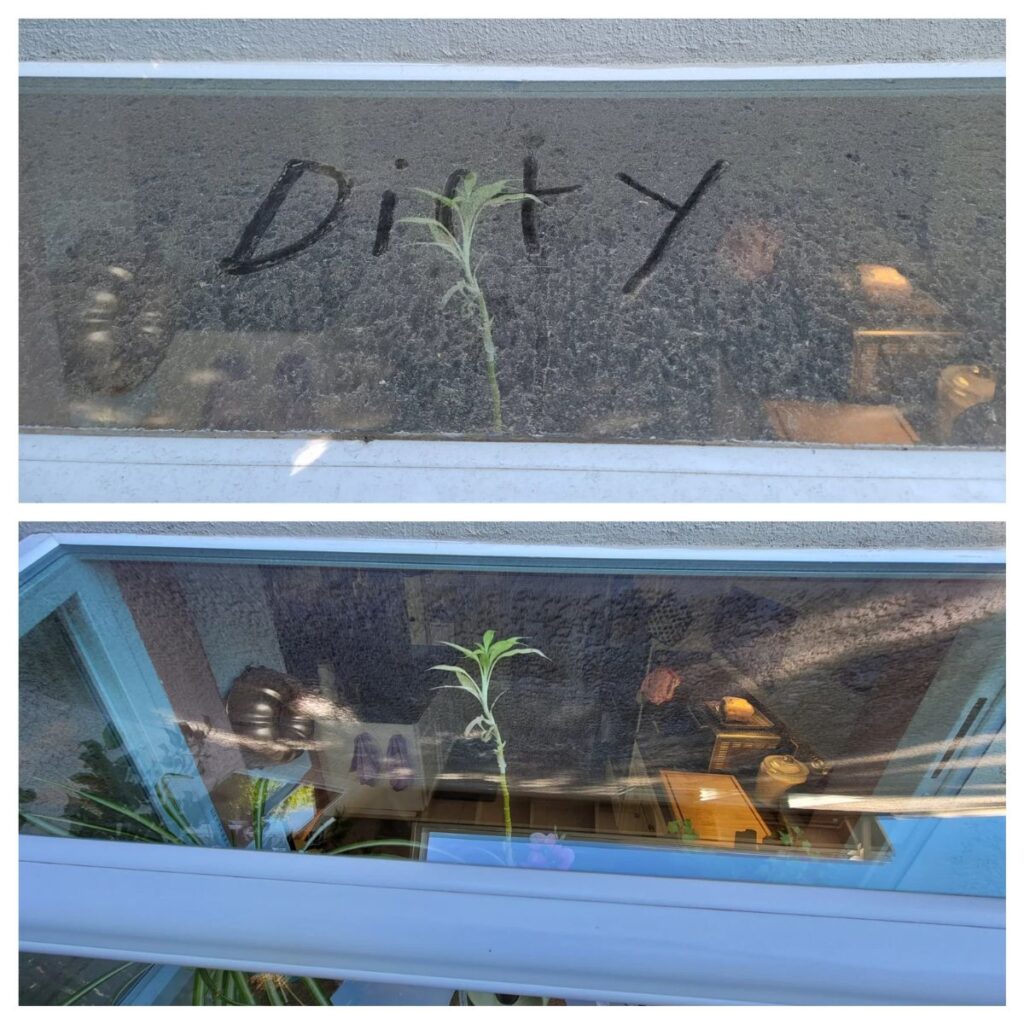
Your windows take a beating in summer. Between irrigation mist, pollen, tree sap, and wildfire residue, they rarely stay clean for long. And when homeowners try to rinse them with a hose, it often leaves behind more spots than before.
Without regular cleaning using purified water and pro-grade tools, you risk:
- Hard water stains etched into the glass
- Crusty debris in window tracks
- Cloudy views that dull natural light
House maintenance experts recommend safe, non-abrasive methods and emphasize how important it is to remove pollen before it bakes in the heat. Sacramento residents benefit most from professional window cleaning services at least 2–3 times a year.
The Real Cost of Neglecting Summer Maintenance
Letting grime build up isn’t just cosmetic—it chips away at your home’s value.
- Appraisers and buyers notice when a home looks faded or unmaintained.
- Algae and mildew can stain siding permanently if not washed in time.
- Mineral stains from sprinklers can become unremovable.
- Dusty windows dim interior lighting and contribute to HVAC strain.
Exterior cleanliness leads to improved property value: research from the University of Alabama that suggests a clean home exterior can increase perceived value by as much as 7%.
Table: What’s Leaving Marks on Your Home This Summer?
| Grime Source | Where It Lands | What It Looks Like |
|---|---|---|
| Vehicle Emissions | Windows, siding, porch rails | Oily film, soot smears, greasy buildup |
| Dust & Pollen | Screens, window tracks, skylights | Yellow or gray powder, sticky layers |
| Wildfire Smoke & Ash | Siding, roof, patio furniture | Fine black particles, dry flakes, chemical streaks |
| UV Sun Exposure | Trim, paint, vinyl siding | Fading colors, chalky texture, brittle surfaces |
| Lawn Irrigation & Misters | Windows, stucco | White hard-water spots, mineral etching |
| Insects & Birds | Roof edges, window frames | Droppings, bug splatter, cobwebs |
Table: Where Summer Grime Shows Up (and Why It Matters)
| Area of the Home | Type of Summer Grime | Why It Matters |
|---|---|---|
| Windows | Pollen, dust, wildfire ash, hard water spots | Reduces natural light, creates etching, weakens seals, hurts curb appeal |
| Siding/Exterior Walls | Smoke stains, dust, spider webs, mold/algae | Traps heat, leads to paint damage or mildew, flagged in inspections |
| Patios & Decks | Ash, pollen, foot traffic grime, BBQ residue | Affects outdoor enjoyment, pet safety, and long-term wood or concrete condition |
| Solar Panels | Dust, bird droppings, wildfire soot | Reduces solar efficiency by up to 30%, shortens panel lifespan |
| Roof Edges & Gutters | Soot, charred debris, plant material | Increases fire risk, leads to clogs, and accelerates gutter rust |
| Window Screens & Tracks | Pollen buildup, bugs, soot | Traps allergens indoors, allows mold growth, causes screen deterioration |
| Driveways & Walkways | Tire dust, oil, ash, pollen | Dulls appearance, increases slip risk, detracts from overall cleanliness |
What Happens If You Don’t Clean? The Long-Term Costs of Ignoring Summer Grime
It’s easy to overlook dirty siding or hazy windows during a busy summer, especially when you’re juggling travel, work, and triple-digit heat. But what seems like a minor cosmetic issue can quickly lead to permanent damage, health risks, and unexpected costs.
1. Baked-On Dirt and Stains Become Permanent
Sacramento’s intense summer sun doesn’t just cause fading — it essentially “bakes” dust, soot, and pollen into porous siding materials. Stucco, vinyl, and even painted wood can become discolored if grime isn’t removed regularly. Once this damage sets in, it may require repainting or full panel replacement, which can cost thousands.
2. Airborne Pollutants Accelerate Siding Deterioration
Unwashed surfaces exposed to urban pollution show accelerated wear. Pollutants like nitrogen dioxide and particulate matter react with siding, especially after wildfire season, degrading both appearance and structural integrity.
3. Increased Risk of Mold and Mildew
Moisture may seem scarce in summer, but microclimates form where dirt accumulates — especially behind debris, in window tracks, or on shaded siding. Combined with spores from wildfire ash or pollen, this creates a breeding ground for mildew that’s hard to detect until odors or damage emerge indoors.
4. Reduced Energy Efficiency
Dusty windows don’t just look bad — they scatter sunlight. This reduces natural light and increases dependency on indoor lighting and HVAC use, driving up energy bills. Clean glass and unclogged window screens can improve energy efficiency during peak utility months.
5. Curb Appeal Declines — and Home Value Can Too
Especially in HOA neighborhoods or when prepping a home for sale, neglecting seasonal cleanings can lower a property’s perceived value. A National Association of Realtors study found that a home’s exterior cleanliness influences 63% of buyers’ first impressions. A neglected facade may deter offers or justify lower bids.
The Hidden Impact of Wildfire Smoke and Ash
Each summer, Sacramento faces the effects of Northern California wildfires. Even if the flames are miles away, smoke and ash travel fast.
Ash coats patios, siding, roofs, and lawn furniture. It’s abrasive, chemical-laden, and can irritate the lungs if stirred up. If left alone, it also encourages mildew and permanently stains painted surfaces.

LA County Public Health’s smoke and ash cleanup guide warns homeowners to act quickly and avoid dry-sweeping ash. Instead, they recommend a controlled water rinse by professionals who understand how to safely remove it from exterior surfaces.
1. Microscopic Residue, Major Consequences
Wildfire smoke isn’t just about the haze—it carries a mix of microscopic pollutants including PM2.5 particles, volatile organic compounds (VOCs), and soot. These contaminants settle invisibly on siding, windows, outdoor furniture, solar panels, and even vehicles. While they may not leave dark streaks right away, they can:
- Chemically interact with paint, vinyl, and metal finishes
- Etch into window glass when combined with morning dew or sprinkler overspray
- Contribute to unpleasant odors that linger outdoors
These effects are especially prominent in foothill areas like El Dorado Hills, Auburn, and Citrus Heights, where proximity to wildfire-prone regions increases smoke exposure during peak summer.
Source: LA County Public Health Guide on Smoke & Ash Cleanup (PDF)
2. Why a Hose Won’t Cut It
Many homeowners think a simple garden hose rinse is enough to remove ash—but wildfire residue is often electrostatically charged or oily, making it adhere tightly to siding, eaves, and windows. Without proper tools or techniques, rinsing alone just spreads contaminants around, potentially causing:
- Smearing on window glass
- Water spots on solar panels
- Embedded soot stains in porous stucco or concrete
For surfaces like painted wood, vinyl siding, and glass, the right combination of soft-bristle agitation and a low-pressure rinse is far more effective—and far less likely to cause permanent damage.
3. Health Hazards That Linger on Surfaces
According to the EPA, wildfire smoke contains dangerous compounds such as benzene, formaldehyde, and acrolein—all of which can settle on exterior surfaces and later be re-aerosolized through wind, movement, or even leaf blowers.
This poses real risks, especially for:
- Households with children or elderly residents
- Individuals with respiratory conditions or allergies
- Pets that lounge on decks, patios, or near siding
Regular exterior cleaning during and after fire season helps reduce this secondary exposure risk—especially in frequently touched or trafficked areas like railings, window ledges, and entryways.
4. How Wildfire Ash Accelerates Exterior Aging
Beyond surface grime, wildfire ash can speed up the deterioration of building materials. Ash is alkaline in nature and can:
- Dull exterior paint over time
- Cause corrosion on metal fixtures
- Encourage mildew and mold growth when it traps moisture in shaded areas
These problems aren’t just cosmetic—they can reduce your home’s resale value, trigger HOA warnings, or necessitate costly repairs if not addressed early.
5. Wildfire Season: A New Normal for Homeowners
In past decades, California’s fire season ran from late summer into fall. Today, due to climate change and drought conditions, wildfire smoke can impact homes as early as spring and persist well into winter. Sacramento and its surrounding suburbs now face year-round exposure, meaning:
- More frequent buildup of smoke and ash on homes
- Greater need for seasonal exterior cleanings
- More attention from buyers, appraisers, and real estate agents to how “clean” a property looks post-smoke season
Regular cleaning isn’t just for aesthetics anymore—it’s part of the new normal in property maintenance.
Why DIY Isn’t Always Worth It in the Summer Heat
Between 100°+ heat and intense UV rays, doing your own exterior house cleaning isn’t just exhausting—it can be dangerous.
- Ladders on dry dirt shift more easily
- Hot siding and surfaces can burn skin
- Rinsing with hard water leaves spots or mineral streaks
Even with time and effort, most homeowners can’t match the results of professional equipment like soft-brush applicators, water-fed poles, and purified water systems.
Table: Common Grime Culprits in Sacramento Neighborhoods
Not all grime is created equal — and not all Sacramento neighborhoods are affected the same way. Depending on your ZIP code, street location, and nearby land uses, you may be dealing with a unique blend of summer pollutants. Here’s what homeowners should be watching for:
| Neighborhood | Common Grime Sources | Notable Local Risks |
|---|---|---|
| Arden-Arcade | Pollen, traffic dust, smog | High heat index, aging infrastructure, older window units prone to mold |
| East Sacramento | Tree pollen, wildfire smoke | Dense canopy traps airborne debris; lots of older stucco |
| Land Park / Curtis Park | Highway exhaust, soot | Proximity to I-5 and I-80 means more black particulate on siding |
| Natomas | Construction dust, bugs | New builds kick up fine dust, plus nearby farmland increases insect buildup |
| Elk Grove | Road dust, smoke haze | Expanding suburbs with wide roads; vulnerable to drifting ash in fire season |
| Downtown / Midtown | Pollution, sidewalk grime | Walkability means more grime at ground level: trash particles, grease stains, sidewalk runoff |
If you’re not sure which grime types are affecting your property, a good test is to wet a soft white cloth and run it along an exterior window sill or the siding facing your busiest street. The color and texture of what comes off can help you identify the source.
Search Trends Don’t Lie: “House Washing Near Me” Is on the Rise
Data shows that Sacramento homeowners are increasingly Googling phrases like “window and house cleaning near me” and “house washing near me.”
Why? Because as home values rise, so does the demand for curb appeal. People are also busier than ever, and they want trusted services that show up on time and do the job right.
Bundling window and siding cleaning is one of the fastest ways to restore your home’s look without taking on multiple appointments. If you’re already searching for help, bundle your window and house washing and save time.
Smart Seasonal Scheduling: When and How to Clean for Best Results
In Sacramento’s dry climate, exterior cleanings are best timed:
- Late Spring (after most pollen drops)
- Late Summer (before ash and dust set in for fall)
Avoid midday cleanings, when siding is hot and water evaporates too fast. Early morning or late afternoon are best.
If you’re selling, hosting guests, or dealing with HOA requirements, schedule 1–2 weeks in advance for maximum curb appeal.
Conclusion: Make It Look Like You Still Live There
Neglect is loud. It whispers in streaked windows, crusted siding, and faded trim. But Sacramento homeowners don’t have to settle for that.
With just a bit of planning and the right help, you can keep your home clean, healthy, and impressive all summer long. Whether you do it yourself or bring in professionals, taking action now means less work later.
If you’re short on time but high on standards, request a free estimate from a crew that understands local homes and summer grime.