Chimney Cleaning in the Greater Sacramento Area
What Sacramento chimneys actually need
Sacramento’s burning season runs roughly November through March, and it looks different depending on where you live. Foothill homes in Auburn, Cameron Park, El Dorado Hills, Granite Bay, Placerville, and Diamond Springs tend to burn the most — wood is often a primary or supplemental heat source, and these chimneys carry the heaviest creosote loads in the region. Down on the valley floor, fireplaces in Folsom, Roseville, Lincoln, and Rocklin’s master-planned subdivisions are typically factory-built or zero-clearance units used a few times a season. They need maintenance too, but the wear pattern is different.
Older Sacramento neighborhoods like Carmichael, Fair Oaks, Land Park, and East Sacramento are full of original 1950s–1970s masonry chimneys with their own concerns: aging mortar joints, deteriorated flue tiles, and cracked crowns that let water in during winter rains. Newer construction trades those issues for cap and damper problems. For both styles, summer pest intrusion is a common Sacramento problem — squirrels, raccoons, birds, and occasionally bees use damaged chimney caps as easy entry points between burning seasons.
Sierra Vista Maintenance has been cleaning chimneys across Greater Sacramento since 2010. The standard cadence for active burners is a pre-season cleaning in October and a spring inspection in April. October catches creosote from last year’s burns before you start lighting fires again. April catches anything pests built or dragged in during the warm months.
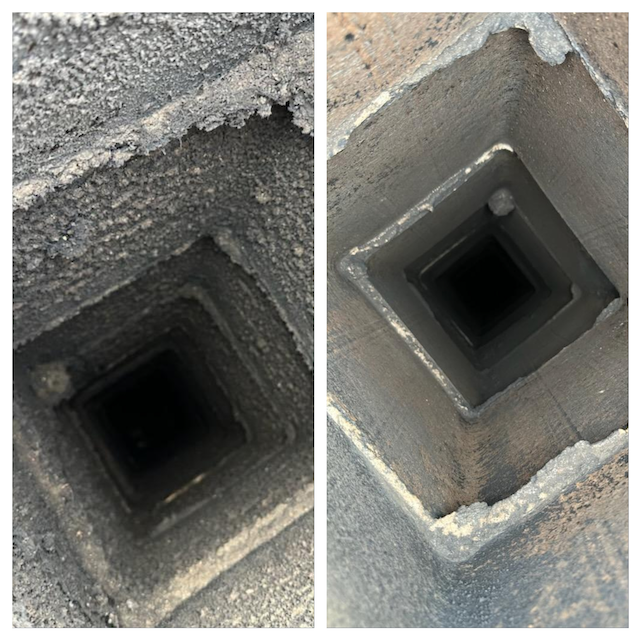
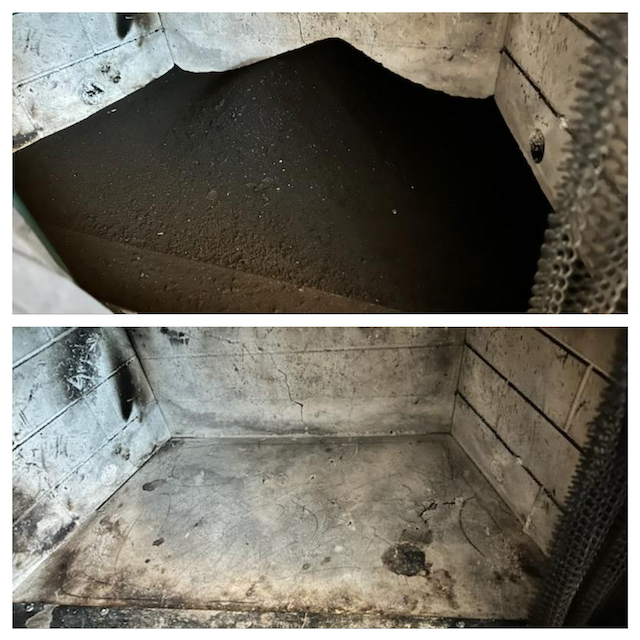
Sierra Vista Maintenance Before & After Pictures
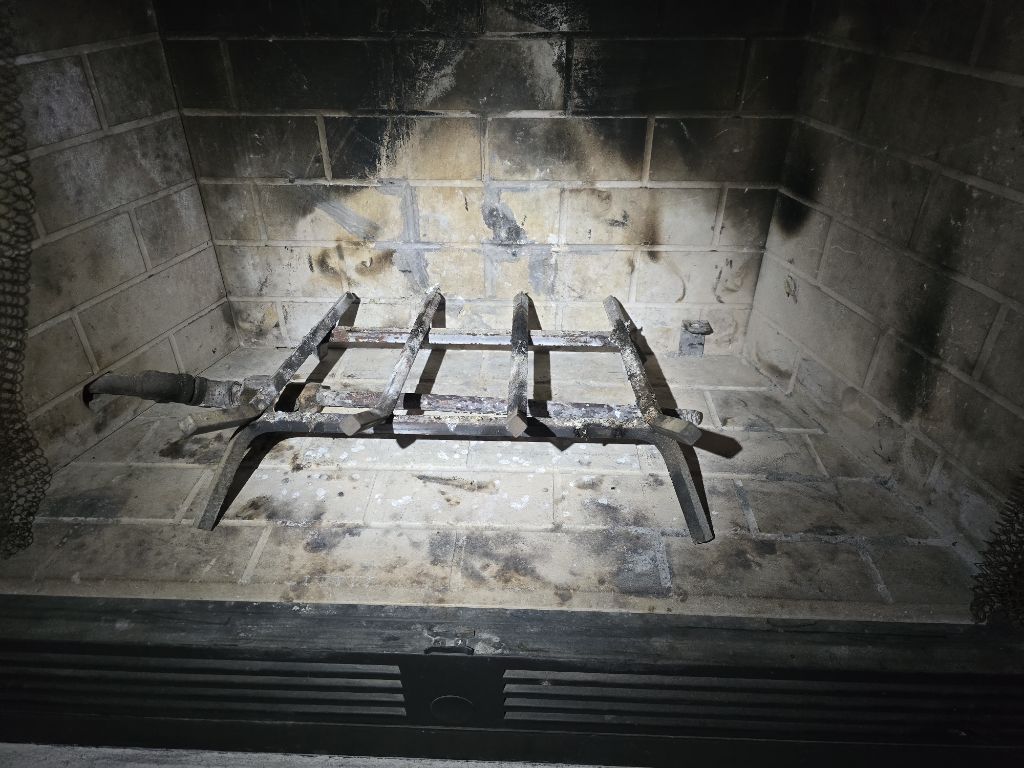
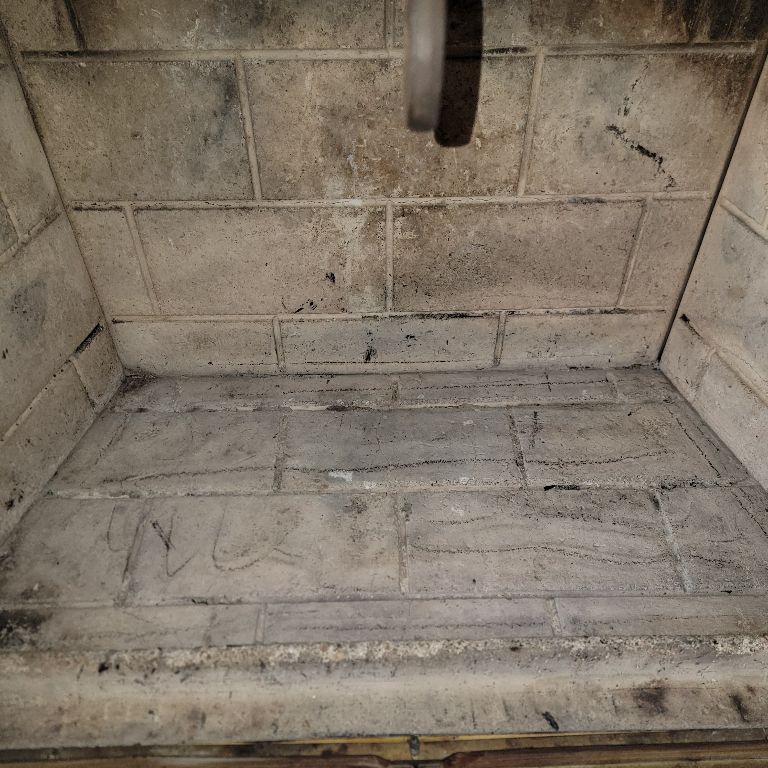
Why chimney cleaning matters
The National Fire Protection Association reports roughly 22,000 chimney fires in the U.S. each year, and creosote buildup is the primary cause. Creosote is the tar-like residue wood smoke leaves on the inside of a flue. When it builds up in a thick layer and reaches ignition temperature, it burns inside the chimney — sometimes loud and obvious, sometimes a slow, quiet burn you don’t notice until it has already damaged the liner.
The other risks are less dramatic but more common. A partially blocked flue pushes carbon monoxide back into the living space instead of venting it outside. A cracked crown or deteriorated mortar joint lets water into the chimney structure, which freezes, expands, and accelerates the damage every winter. A missing or damaged cap is an open invitation for animals to nest in the flue.
None of these problems announce themselves before they cause damage. Annual cleaning and inspection is what catches them while the fix is still small.
What a chimney cleaning looks like
Setup. Drop cloths and a heavy-duty plastic seal go in front of the firebox. Shoe covers on. Ash vacuum staged and running throughout the cleaning to keep soot contained.
Inspection first. Before any brushing, we check the firebox, damper operation, smoke shelf, and visible flue interior with a flashlight and inspection mirror. We measure creosote thickness and identify the buildup stage. If we find structural issues — cracked liner tiles, deteriorated mortar joints, damaged damper — we document them with photos and tell you before we start sweeping.
Sweep from the bottom up. Rotary brush sized to your specific flue. Steel bristles for masonry flues, poly bristles for stainless liners (using the wrong material damages the liner). The ash vacuum runs continuously. For zero-clearance and factory-built chimneys, we adjust technique — those use lighter brushes and require care around the metal liner connections.
Cap and crown check. We inspect the chimney cap, screen mesh, crown, and flashing. The cap is the most common failure point in Sacramento because animals work on damaged screens through the off-season. We flag what we find — we don’t fix or replace caps as part of standard cleaning, but we tell you what’s needed and where to source the part if you want to handle it.
Final pass and cleanup. Final vacuum of the firebox, hearth, and immediate floor area. Drop cloths and sealing materials out. Before-and-after photos sent over email or text the same day.
We don’t go on icy or wet roofs. Sacramento’s foothill rain and the rare valley-floor frost both make roof access dangerous, and a slip on a chimney inspection isn’t worth it. If conditions aren’t safe, we reschedule.
Different Parts of Your Chimney
There are multiple components of your fireplace, chimney, and heating system.
- Bricks and Chimney Base: The base of your chimney needs to be structurally sound or else you are running a safety risk. If bricks or the base is damaged, you can experience moisture in your home or broken pieces of brick in your home. Chimney sweeps can help detect potential mold growth and potential breaking points
- Chimney Flue: The flue is often confused with the chimney liner, but the flue is the part that helps combustion materials to exit your home.
- Chimney Liner: The liner is required by law to be in your home, in order to keep the fire contained. The liner needs to fit the appliance or you run the risk of indoor pollution. Liners need to be replaced as soon as they crack and avoid using your fireplace until it is replaced.
- Chimney Cap: A chimney cap helps prevent the outside elements from getting into your home. The cap stops snow, rain, leaves, and even animals from getting inside your chimney.
- Chimney Chase Covers: A chase cover comes on top of a factory-built chimney. It can be made from copper, aluminum, stainless steel, or galvanized steel.
- Chimney Flashing: A flashing will be made of vinyl, aluminum, copper, or steel and is attached where the chimney meets your roof. This prevents moisture leaks around your chimney.
- Chimney Crown: Usually a slab of cement that prevents water from entering the chimney.
- Damper or Throat Damper: Also called the throat damper because it is located in the throat of the chimney above the firebox, the damper helps seal the heat in your home when the fireplace is not in use. When the fireplace is in use, the damper is open so the smoke can escape. If your damper is stuck in the open position, you may experience drafts.
- Smoke Chamber: Located between the flue and the damper, the smoke chamber compresses the combustible products so they actually exit the chimney rather than go back into your home.
Hire Professional Chimney Cleaning Services Today!
A clean chimney burns better, drafts better, and leaves a smaller margin for problems during burning season. That’s the whole job. Sierra Vista Maintenance cleans fireplaces and chimneys across the Greater Sacramento area — single-flue masonry chimneys in older neighborhoods like Carmichael and Fair Oaks, factory-built and zero-clearance units in newer Folsom and Roseville homes, and the heavy-use foothill chimneys in Auburn, Cameron Park, and El Dorado Hills.
Burning season is short — typically November through March — and most chimney cleaning gets booked in September and October. If you’re an active wood burner, the pre-season slot fills up first. Spring inspection slots in April are easier to get and catch pest intrusion before next year’s first fire.
Get a free quote.
Get An Estimate
Contact Sierra Vista Maintenance for chimney cleaning services near you today!
Common Chimney Cleaning Services Questions & Answers
What all is involved in a chimney sweep service?
For the chimney, we brush the entire pipe, removing soot and creosote from top to bottom. We will also clean the chimney cap.
For the fireplace, we brush the entire inside area to remove soot and creosote, then vacuum out the fire box.
While we do not offer certified inspections, we will alert you if we notice any maintenance or structural issues.
How long does a chimney sweep service take?
Typically, it takes under an hour. Provided there are no major maintenance issues, our team has the skills and tools to do the job in a timely manner.
Can you clean all types of fireplaces, wood stoves, and chimneys?
We clean all wood-burning or gas-wood combination fireplaces. In short, if your fireplace burns wood at all (even with gas ignition), we can clean it.
For pot-bellied wood stoves, we may be able to clean them. This depends on how many bends you have in your stove piping. If you’re interested in a wood stove cleaning service, feel free to send us pictures of the piping, and we will tell you whether or not we can service it.
We don’t clean gas inserts or gas-only fireplaces and chimneys, with a few exceptions. It must be wood burning in order to merit chimney cleaning.
Are you licensed, bonded, and insured for residential and commercial work?
Yes. Sierra Vista Maintenance holds California Contractor’s License #1090384 and carries general liability and workers’ compensation coverage that applies to both residential and commercial chimney cleaning. We can provide a certificate of insurance on request.
Do you guarantee your own work?
Absolutely. If there is ever any problem with our work, we will work with you to fix it as quickly as possible.
What's the difference between a Level 1 and Level 2 chimney inspection?
A Level 1 inspection is the standard annual check that comes with most chimney cleanings. It covers readily accessible parts of the chimney and flue and confirms the system is structurally sound and clear of obstruction. A Level 2 inspection is more thorough — it includes the Level 1 work plus inspection of accessible attic, basement, and crawl space sections, and is the standard whenever something has changed: you bought the home, switched fuel types, had a chimney fire, or experienced a weather event like an earthquake. If you’re not sure which you need, a Level 1 is the right starting point, and we’ll let you know if the chimney calls for more.
Is it safe to clean my own fireplace and chimney?
If you have the right tools, cleaning your own chimney and fireplaces is doable. If you lack those tools, we strongly recommend hiring a professional to do the job. We also strongly caution you against working on your roof, as it is very easy to injure yourself fatally.
At Sierra Vista Maintenance, we use high-end ash vacuums and brushes, and we’re also trained and licensed to work on your roof safely. We do this for a living – while also being licensed and bonded – so that you don’t have to risk injury for yourself or your home.
How often should a Sacramento-area resident get their chimney and fireplace cleaned?
This depends on how much wood you burn. If you burn wood every season, an annual cleaning is strongly recommended.
My chimney has a cap on it. Do I still need it cleaned?
Yes. Chimney caps keep rain, debris, and animals out of the flue, but they don’t stop creosote from forming on the inside walls when you burn wood. Creosote is a byproduct of combustion — it builds up regardless of whether the top of the chimney is open or capped. A cap is a useful piece of hardware, but it’s not a substitute for cleaning. We do check the cap during every visit and let you know if it’s damaged or missing screen mesh, since both are common entry points for pests in the Sacramento area.
Do chimneys attract pests in the off season?
If the chimney cap is damaged or missing, yes, pests can roam freely inside your chimney or nest there. Annual cleanings ensure that everything is in order, clean and clear.
Does my gas-only fireplace need to be cleaned?
As long as your fireplace or stove does NOT burn wood, chimney cleanings are not necessary. However, you should have your gas fireplace inspected from time to time by someone certified to do so to ensure your gas fireplace is safe and working properly.
I live in the foothills. Should I be doing anything different than someone down in the valley?
Foothill homes in places like Auburn, Cameron Park, El Dorado Hills, and Placerville tend to burn more wood and burn it longer, so creosote builds up faster. Pre-season cleaning in October is more important here than for occasional valley-floor users. The other foothill-specific concern is ember and debris around the chimney exterior — wildfire season leaves pine needles, leaves, and dry duff on the roof and around the chimney base. We clear that during cleanings and flag any spots where vegetation or roof debris is accumulating against the chase or crown.
What Sacramento Customers Say
“Sarah did a great job of cleaning my dryer vent and fireplace. They were very efficient, clean, and explained what was cleaned and how. Thank you.”
“On time, professional, explained all to be done, answered all questions, and left no mess. Definitely use Sierra Vista again for home maintenance.”
“They are very professional and did a great job.”
“Sierra Vista Maintenance is very responsive, got me scheduled quickly and did a great job. I look forward to working with them again in the future.”